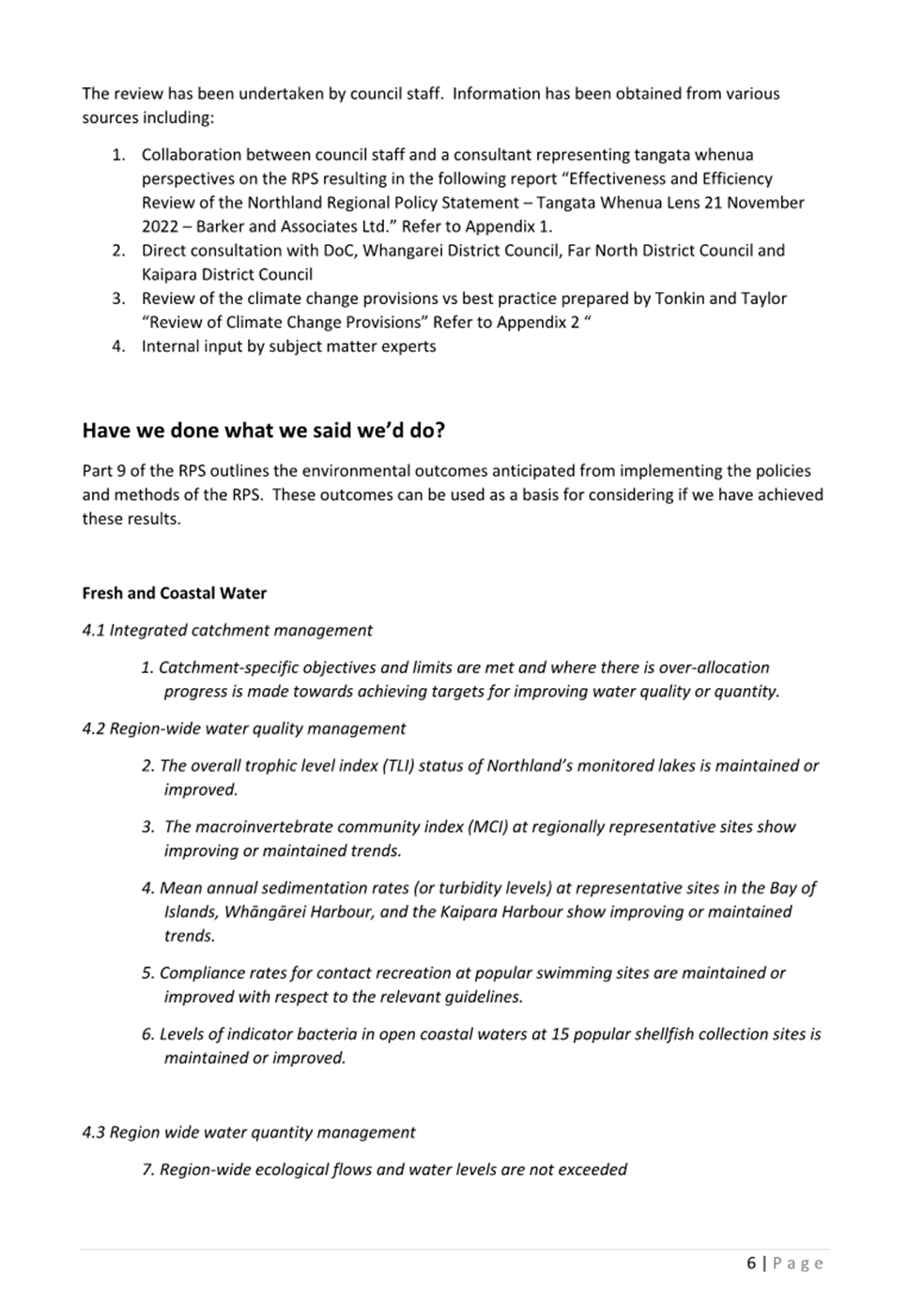
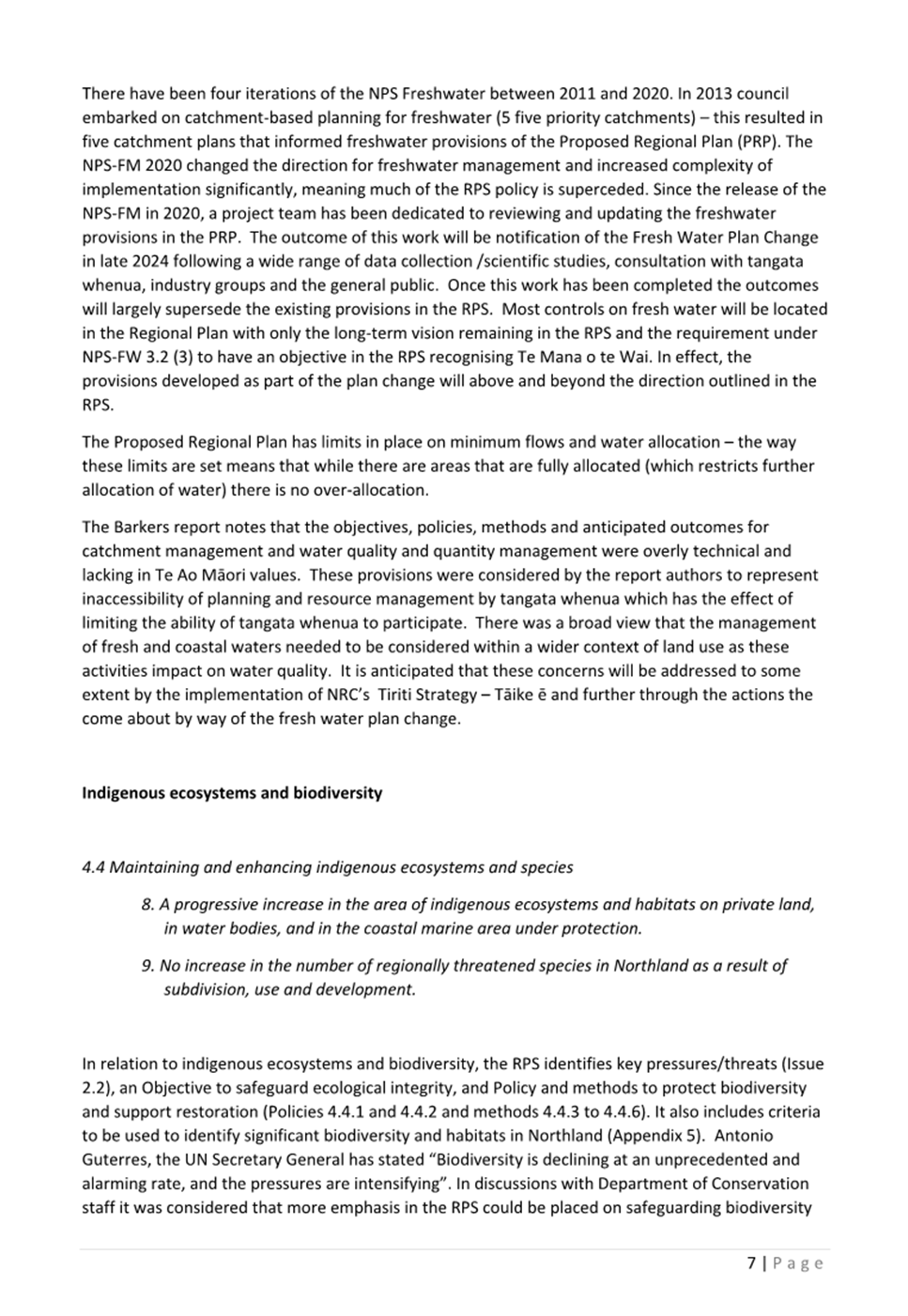
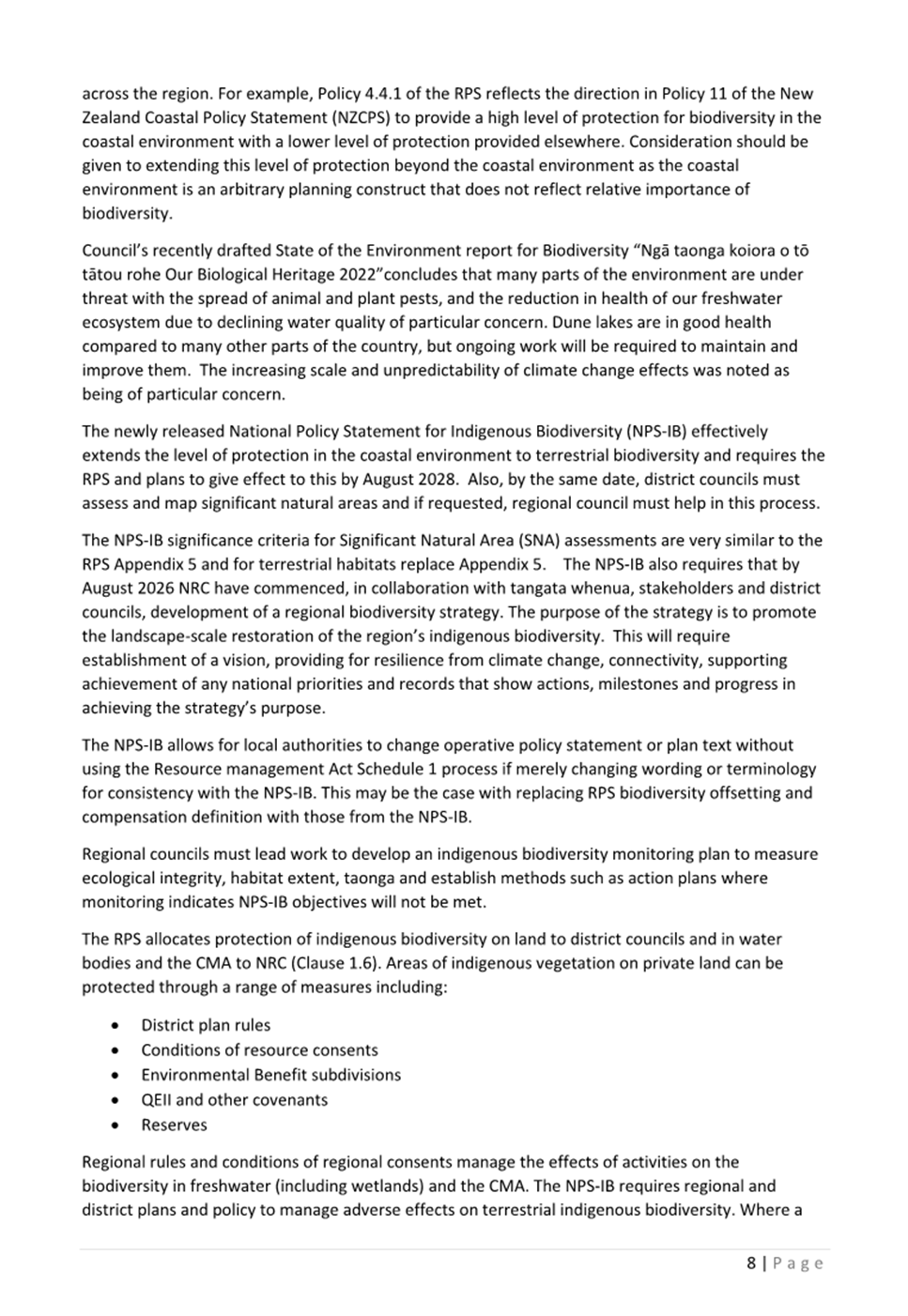
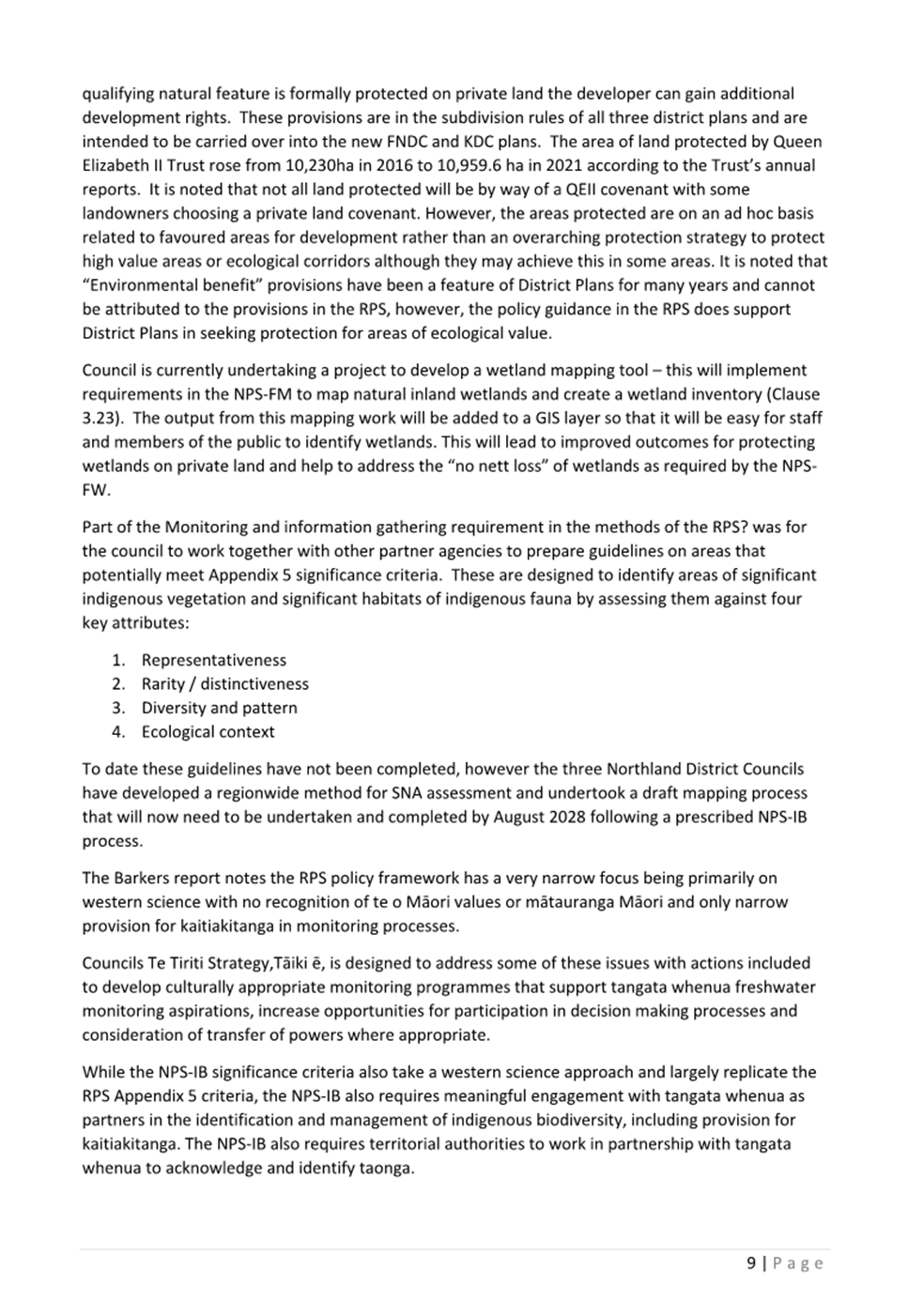
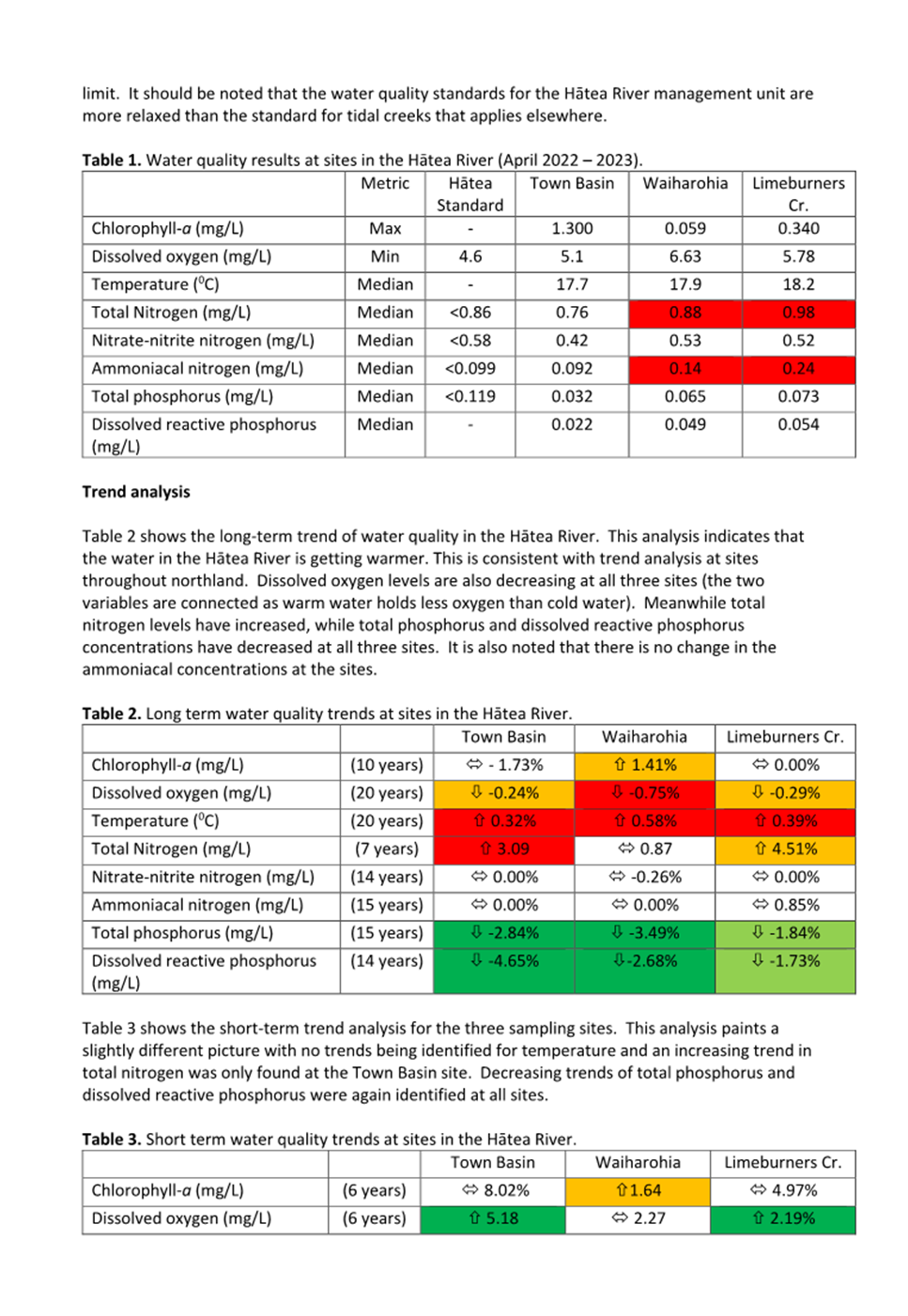
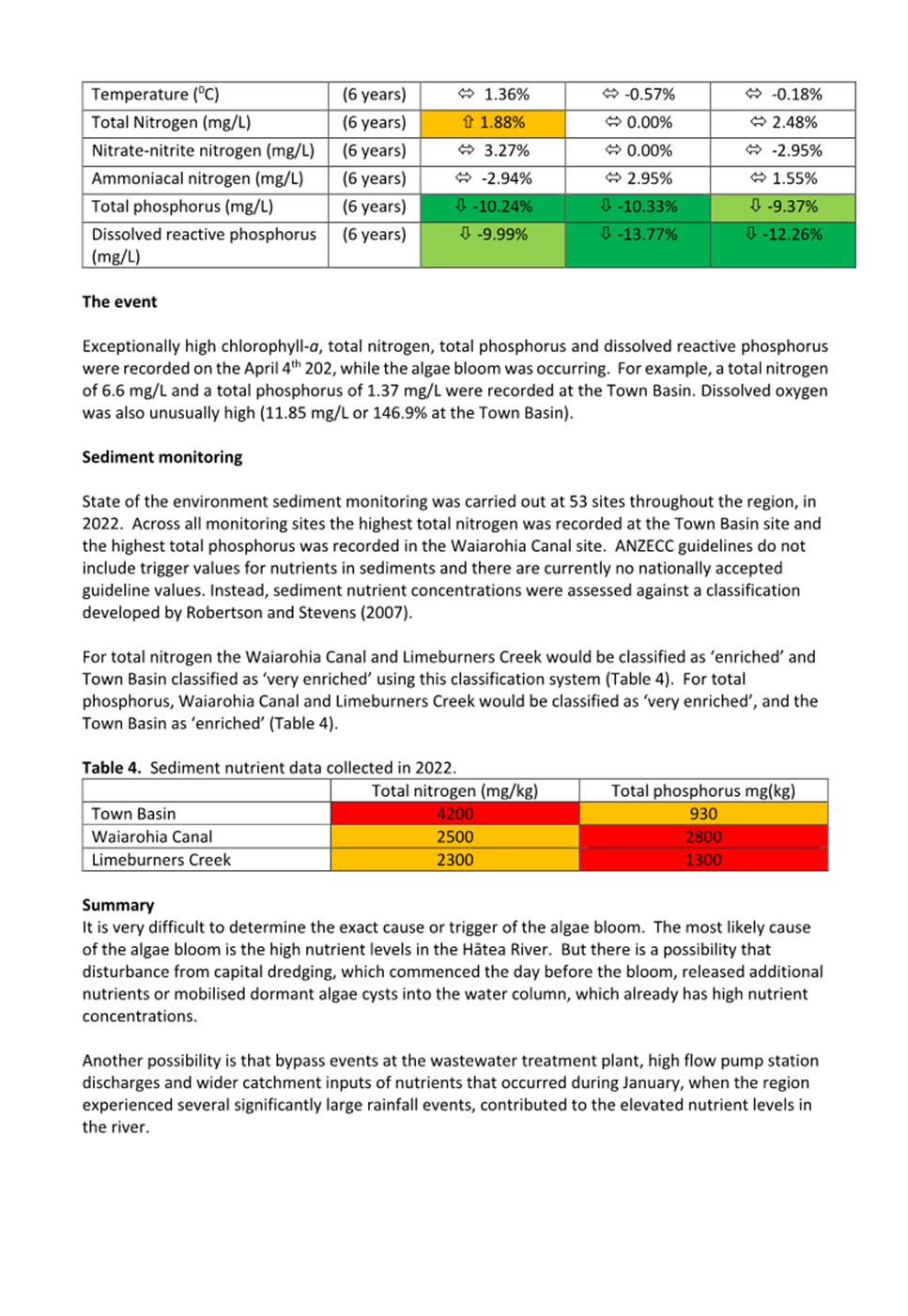
|
Natural Resources Working Party Tuesday 29 August 2023 at
|
|
|
|
|


|
Natural Resources Working Party Tuesday 29 August 2023 at
|
|
|
|
|
Natural Resources Working Party
29 August 2023
Natural Resources Working Party Agenda
Meeting to be held in the Council Chamber
36 Water Street, Whangārei
on Tuesday 29 August 2023, commencing at
Please note: working parties and working groups carry NO formal decision-making delegations from council. The purpose of the working party/group is to carry out preparatory work and discussions prior to taking matters to the full council for formal consideration and decision-making. Working party/group meetings are open to the public to attend (unless there are specific grounds under LGOIMA for the public to be excluded).
MEMBERSHIP OF THE Natural Resources Working Party
Chairperson, Councillor Amy Macdonald
TTMAC Representative, Geraldine Baker
Councillor Joe Carr
Councillor Geoff Crawford
TTMAC Representative, Mira Norris
TTMAC Representative, Nora Rameka
Councillor, Marty Robinson
KARAKIA
RĪMITI (ITEM) Page
1.0 Ngā Mahi Whakapai/Housekeeping
2.0 Ngā Whakapahā/apologies
3.0 Ngā Whakapuakanga/declarations of conflicts of interest
4.1 Record of Actions – May 2023 4
4.2 Receipt of Action Sheet 8
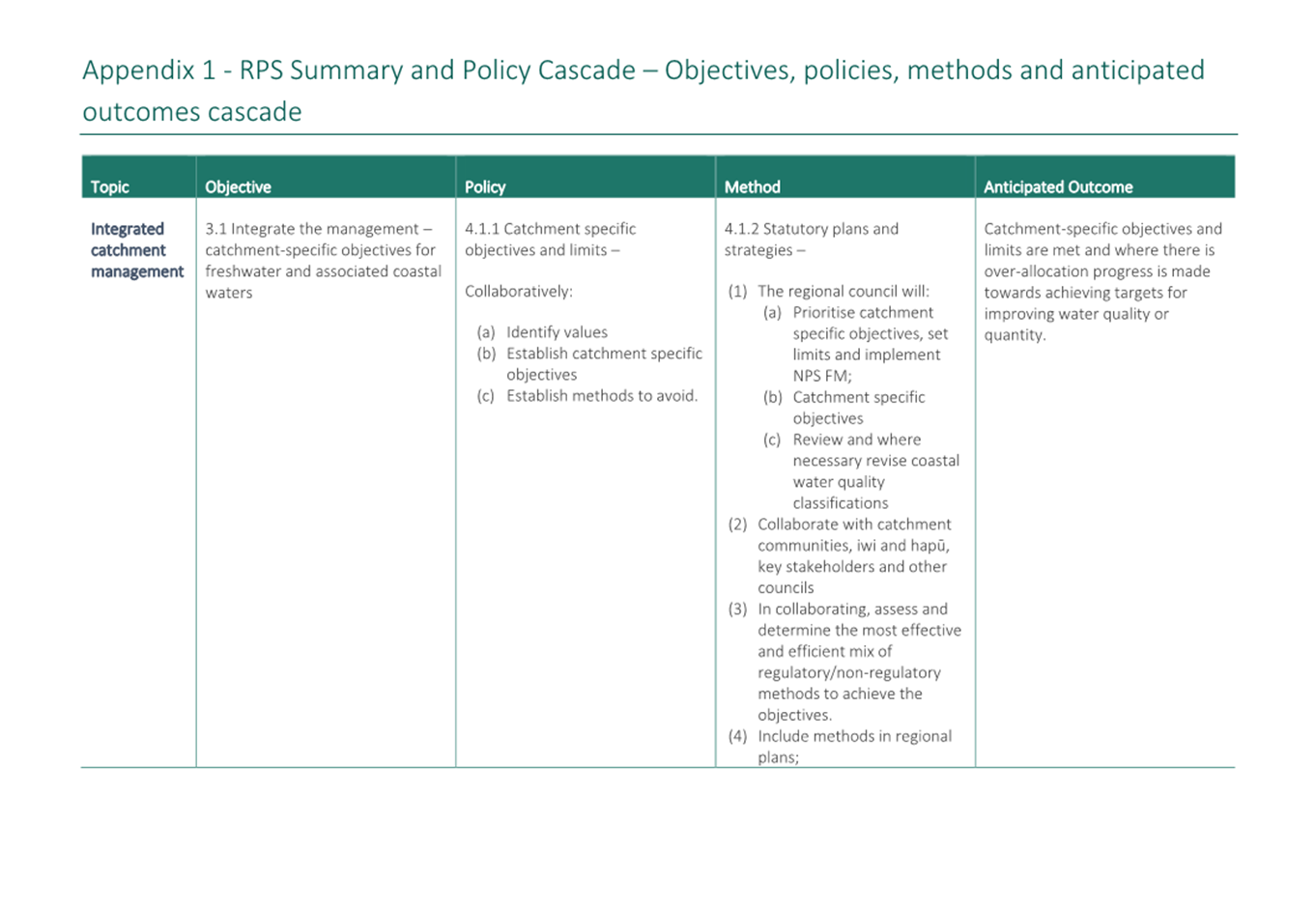
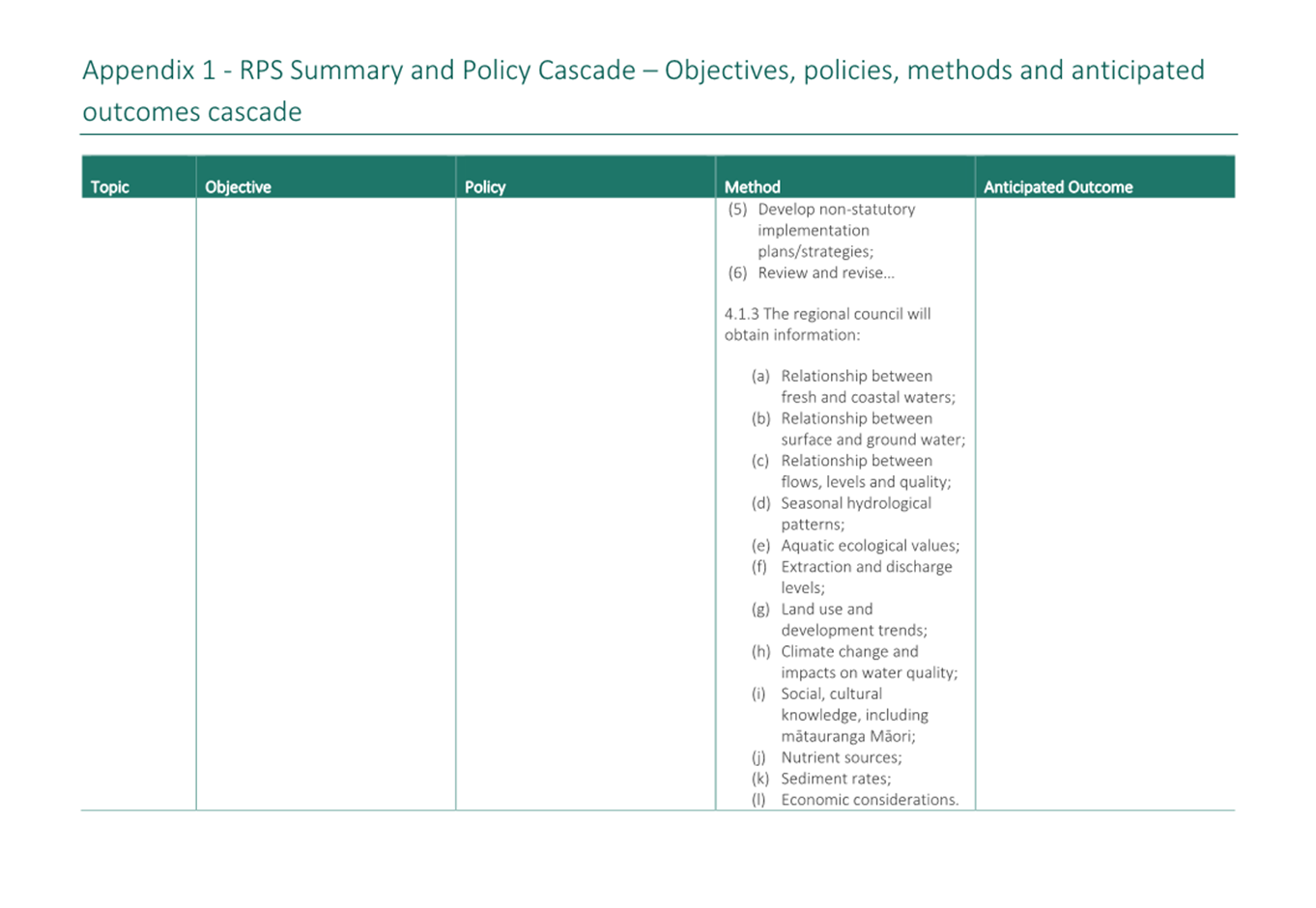
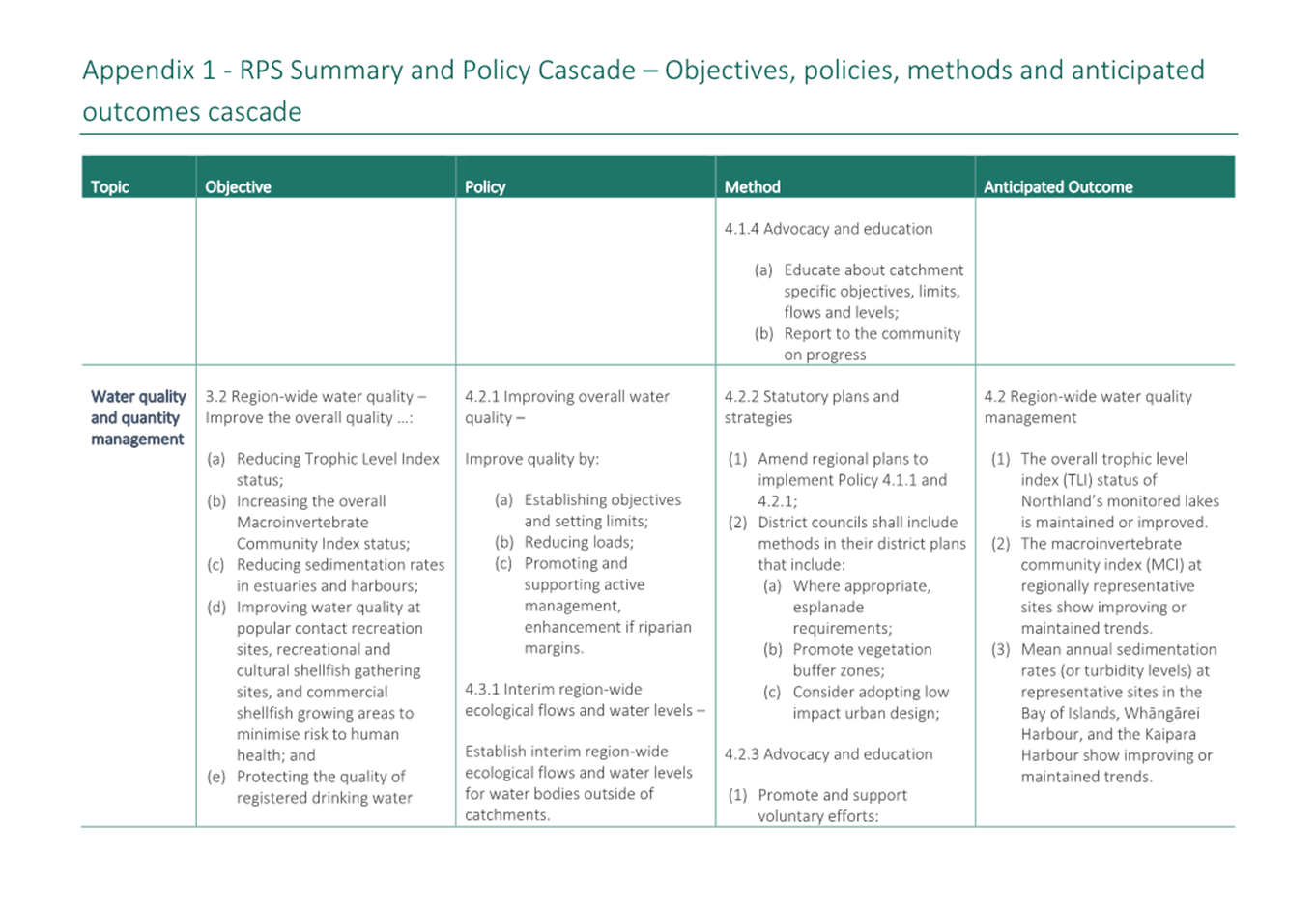
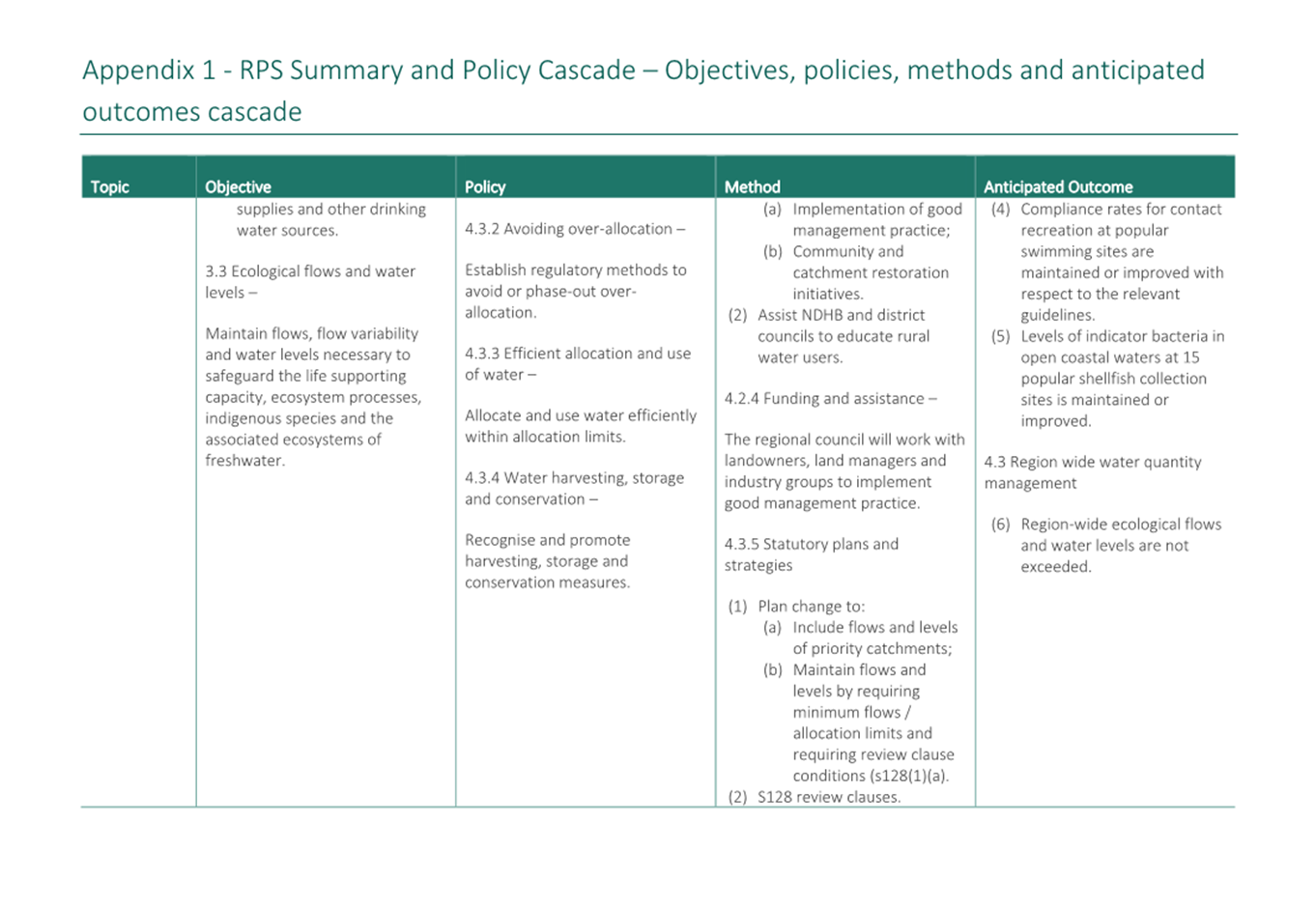
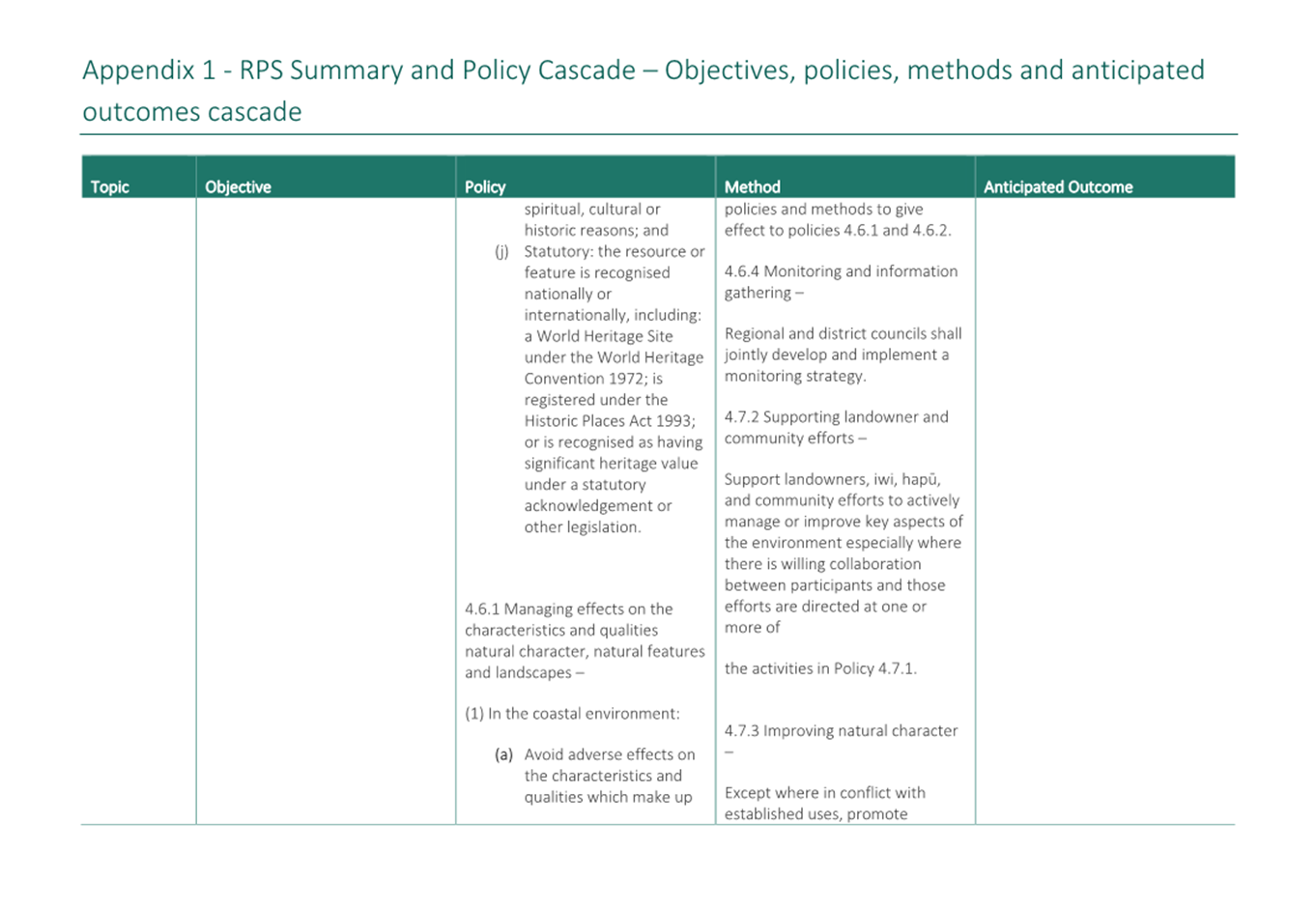
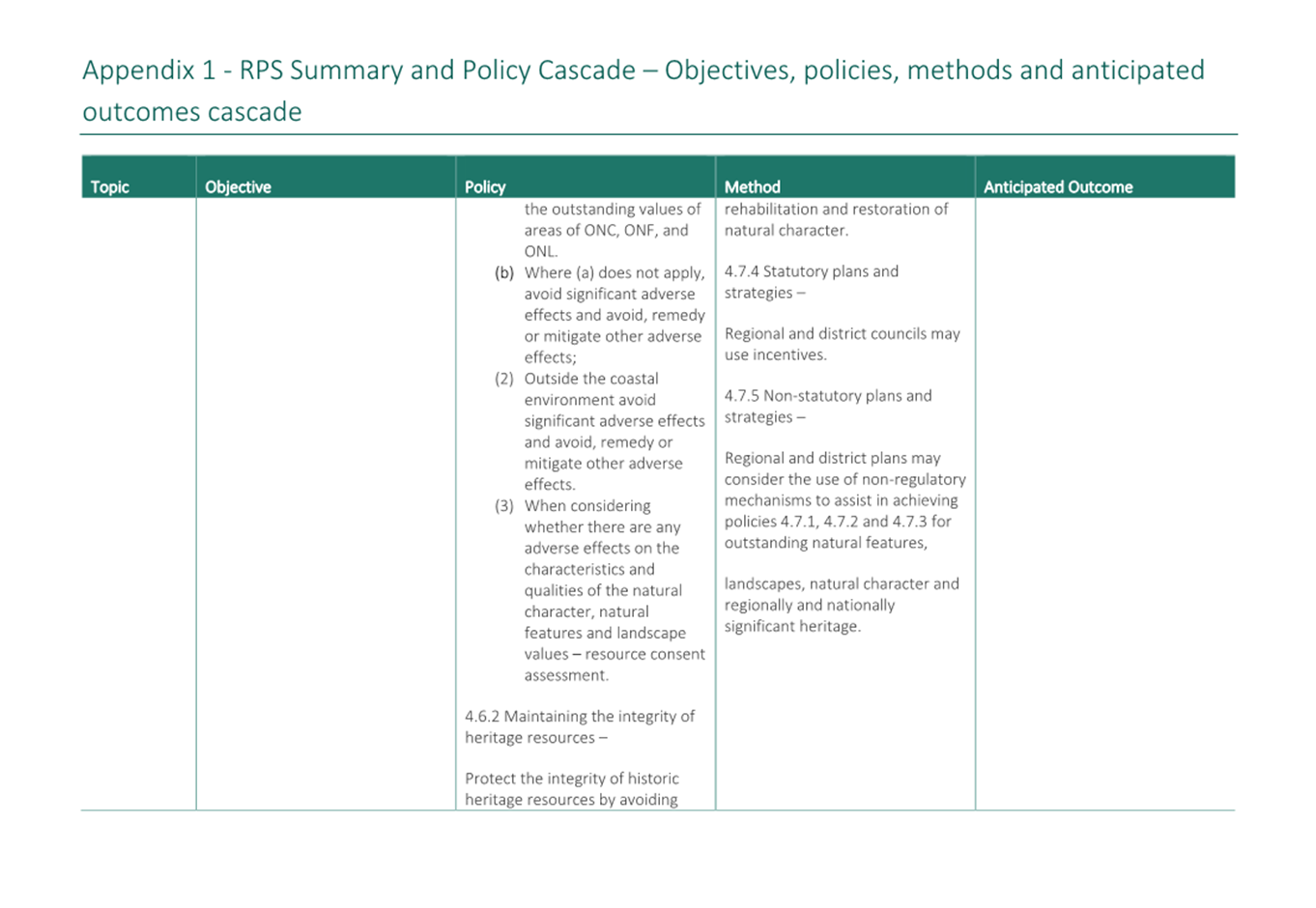
4.3 Draft Review of the Regional Policy Statement 10
4.4 Poplar and Willow Nursery Investment Options 166
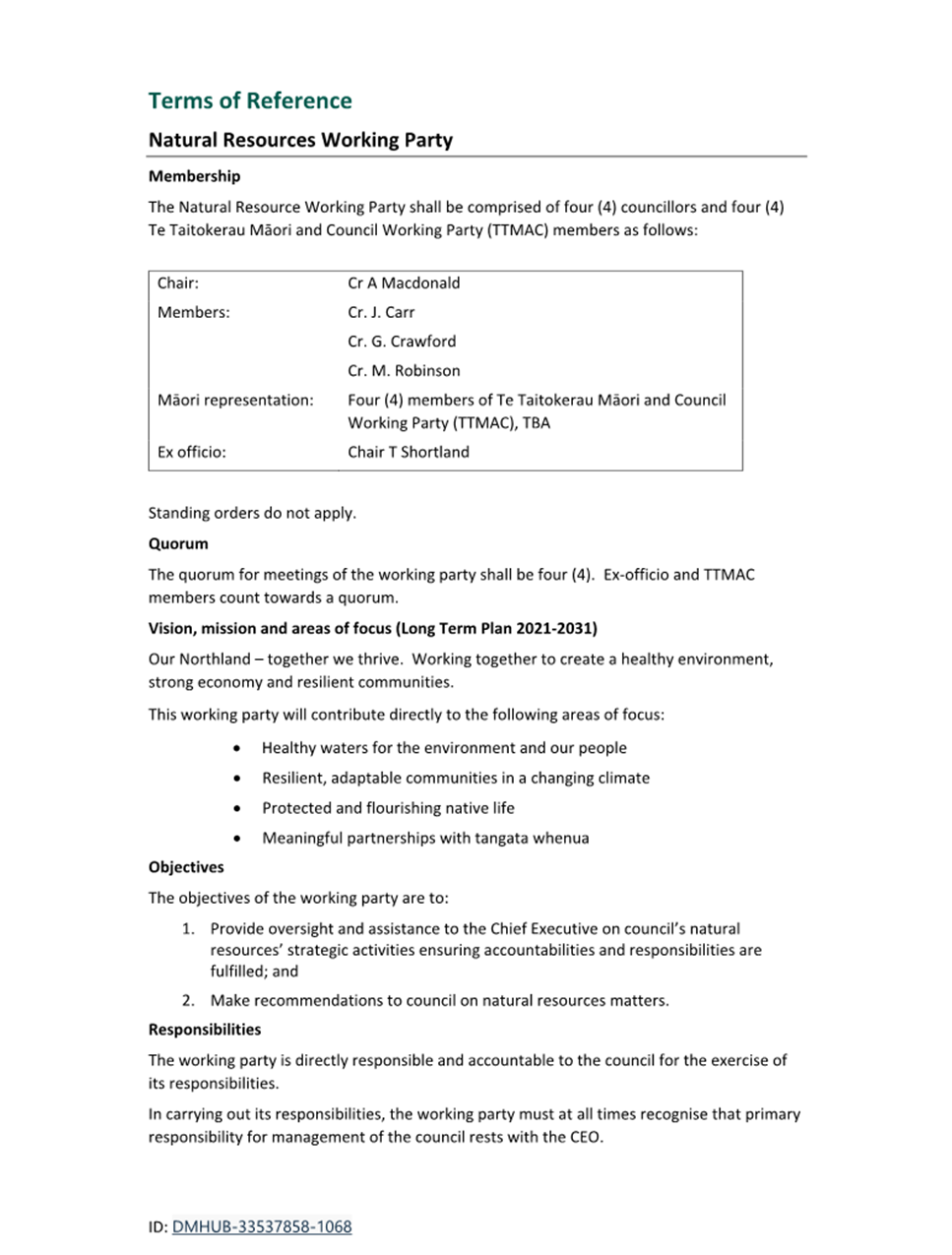
4.5 Terms of Reference Review 173
4.6 Whangārei harbour algae bloom update 178
4.7 Soil Conservation Strategy Presentation
Presentation to be given on day of meeting.
4.8 Science Communications Strategy - Issues and Options Presentation
Presentation will be provided on the day.
 |
||
 |
||
Natural Resources Working Party item: 4.1
29 August 2023
|
TITLE: |
Record of Actions – May 2023 |
|
From: |
Sandra Harris, Pou Tiakai Taiao Personal Assistant |
|
Authorised by Group Manager/s: |
Ruben Wylie, Pou Tiaki Taiao, on 22 August 2023 |
Whakarāpopototanga / Executive summary
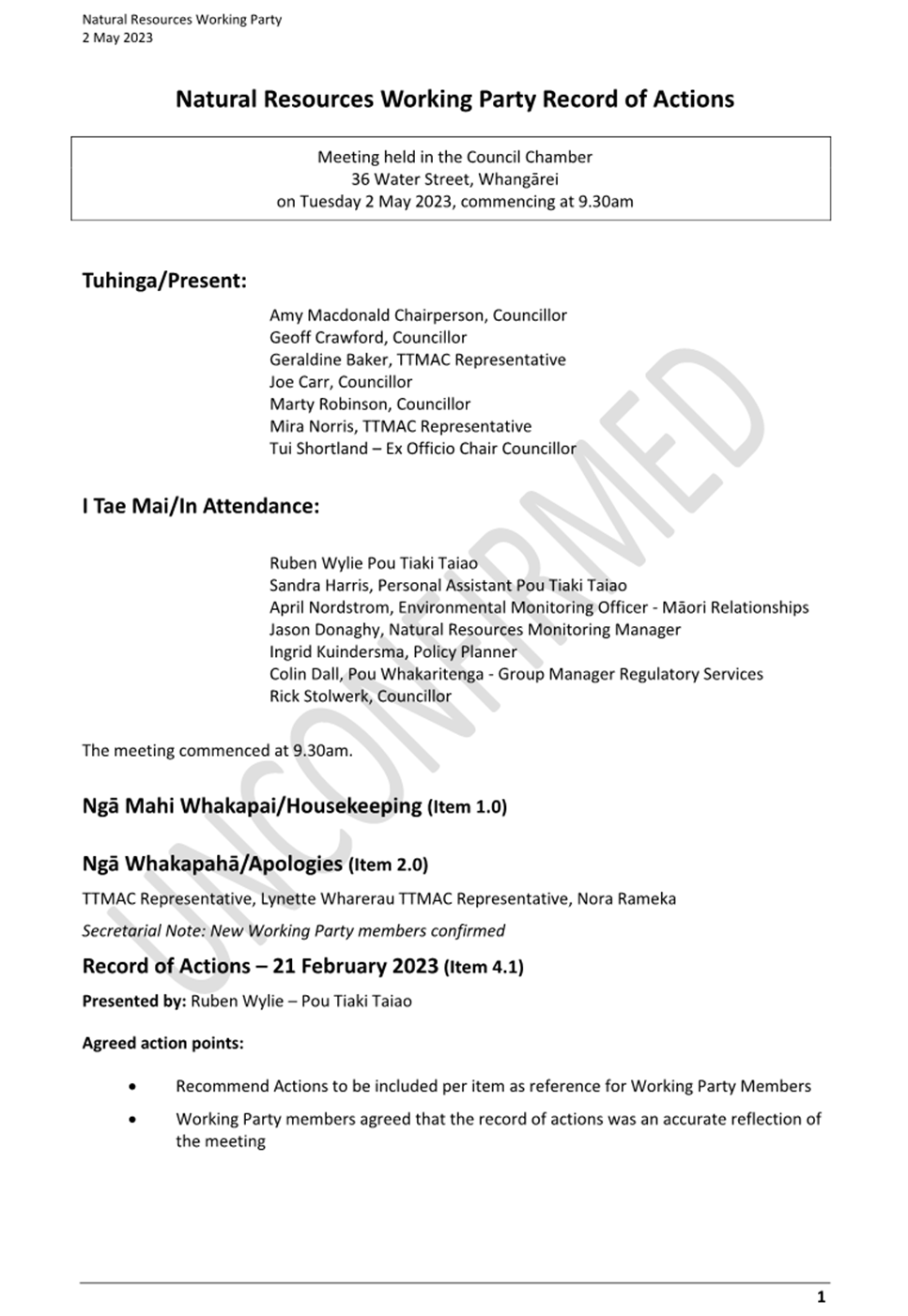
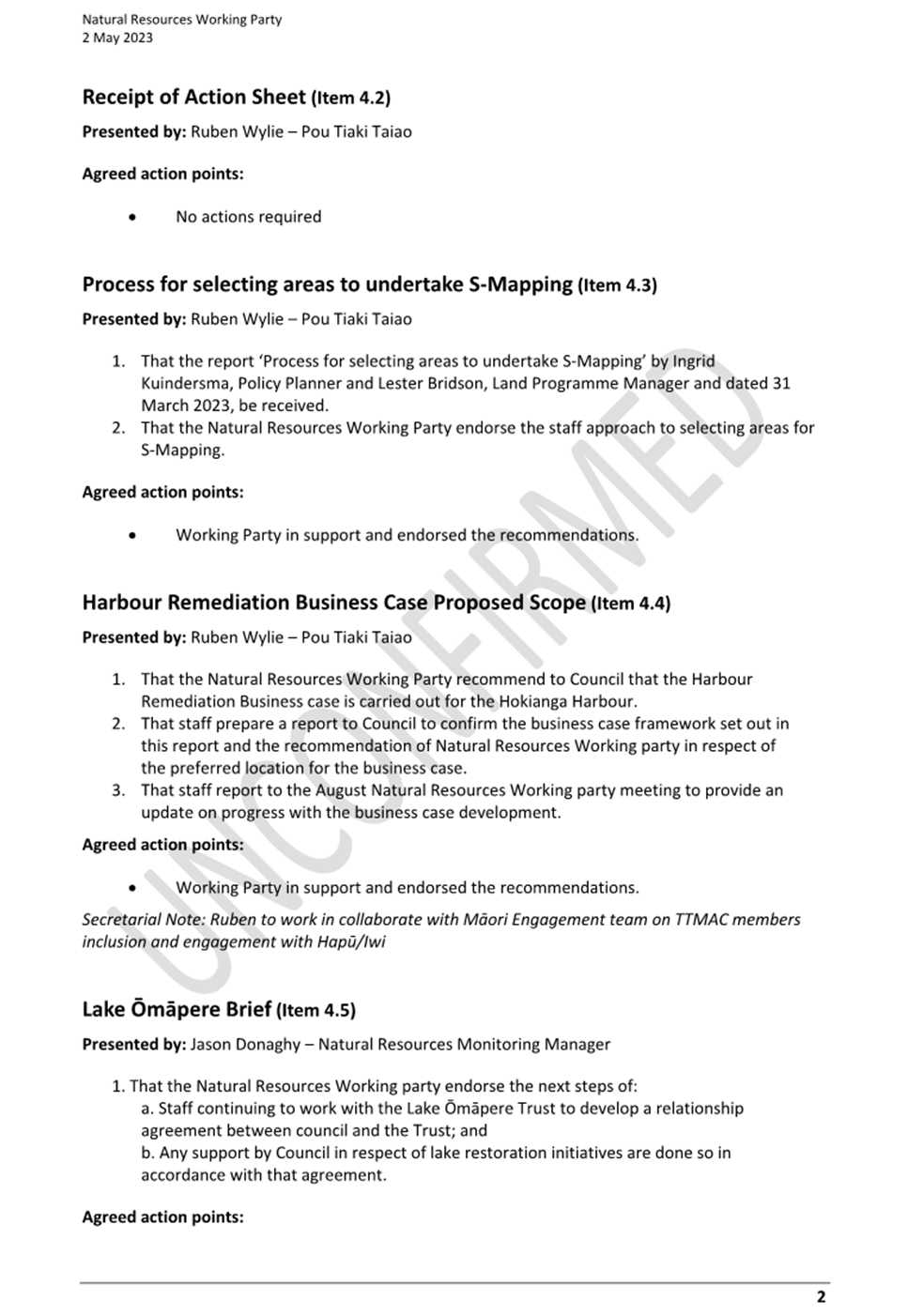
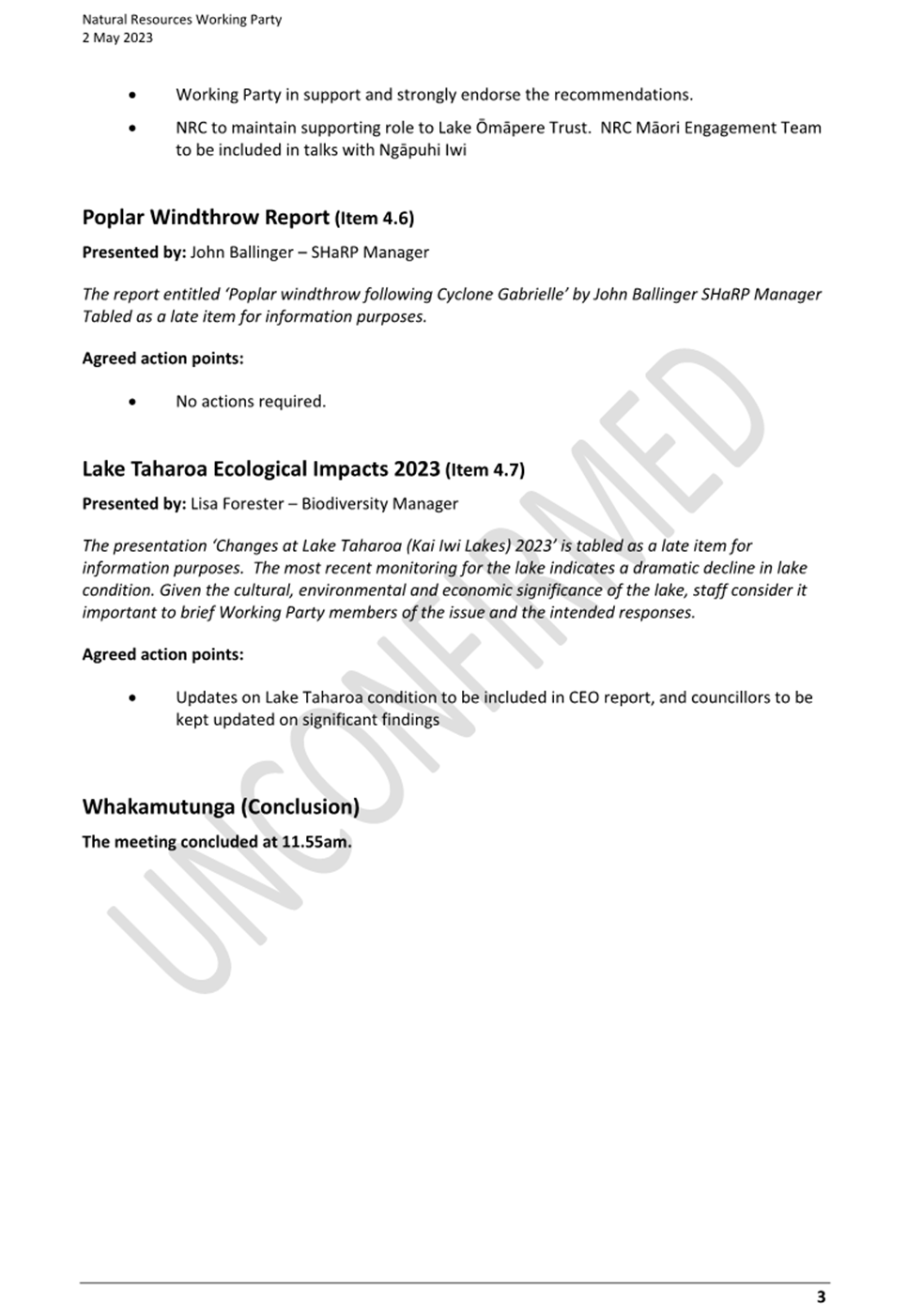
The purpose of this report is to present the Record of Actions of the last meeting (attached) held on 2 May 2023 for review by the meeting.
Attachments/Ngā tapirihanga
Attachment 1: Record of Actions - May
2023 ⇩ 
29 August 2023
|
TITLE: |
Receipt of Action Sheet |
|
From: |
Sandra Harris, Pou Tiakai Taiao Personal Assistant |
|
Authorised by Group Manager/s: |
Ruben Wylie, Pou Tiaki Taiao, on 22 August 2023 |
Whakarāpopototanga / Executive summary
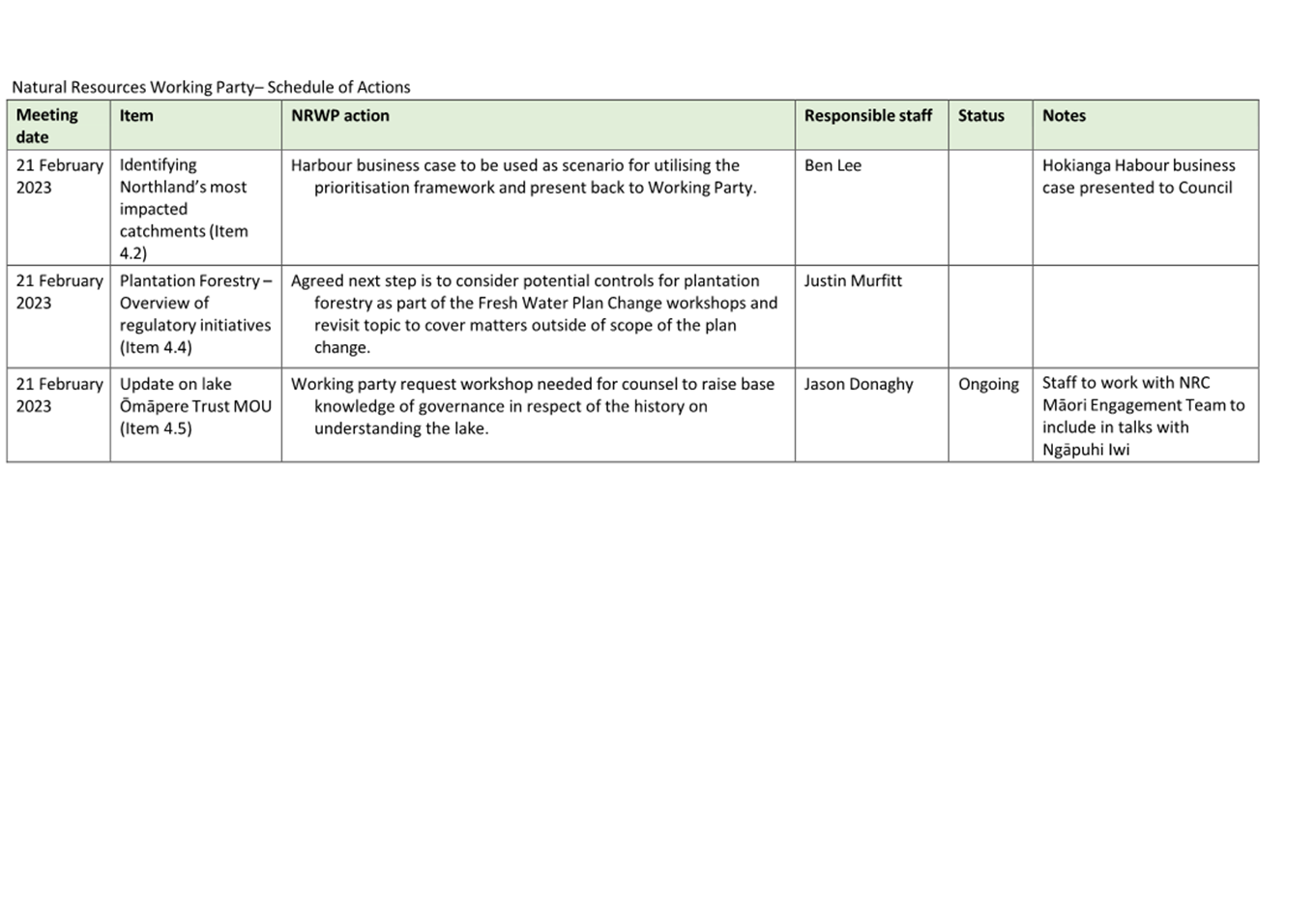
The purpose of this report is to enable the meeting to receive the current action sheet.
That the action sheet be received.
Attachments/Ngā tapirihanga
Attachment 1: Action Sheet - August
2023 ⇩
Natural Resources Working Party item: 4.3
29 August 2023
|
TITLE: |
Draft Review of the Regional Policy Statement |
|
From: |
Ingrid Kuindersma, Policy Planner |
|
Authorised by Group Manager/s: |
Ruben Wylie, Pou Tiaki Taiao, on 22 August 2023 |
Whakarāpopototanga / Executive summary
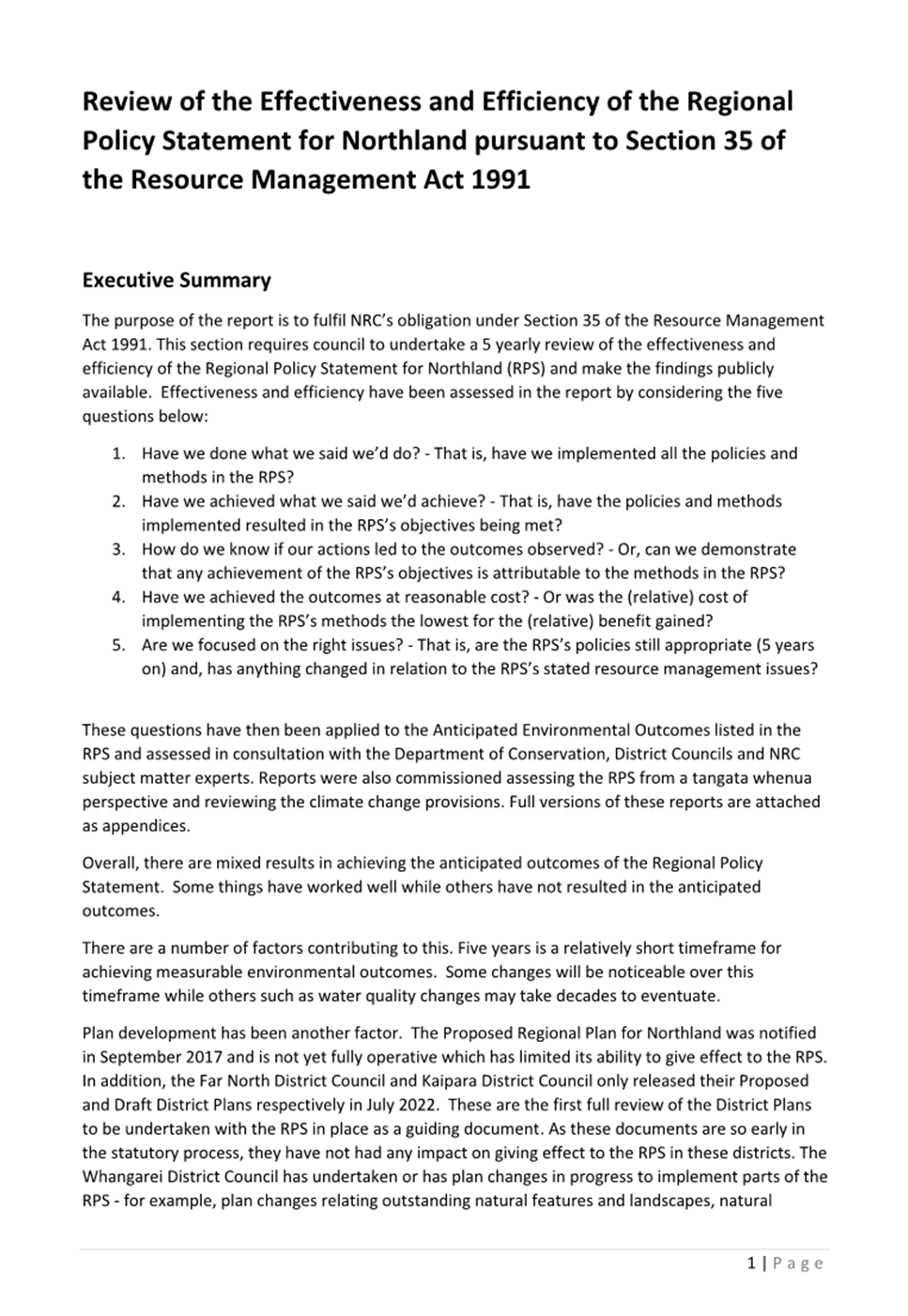
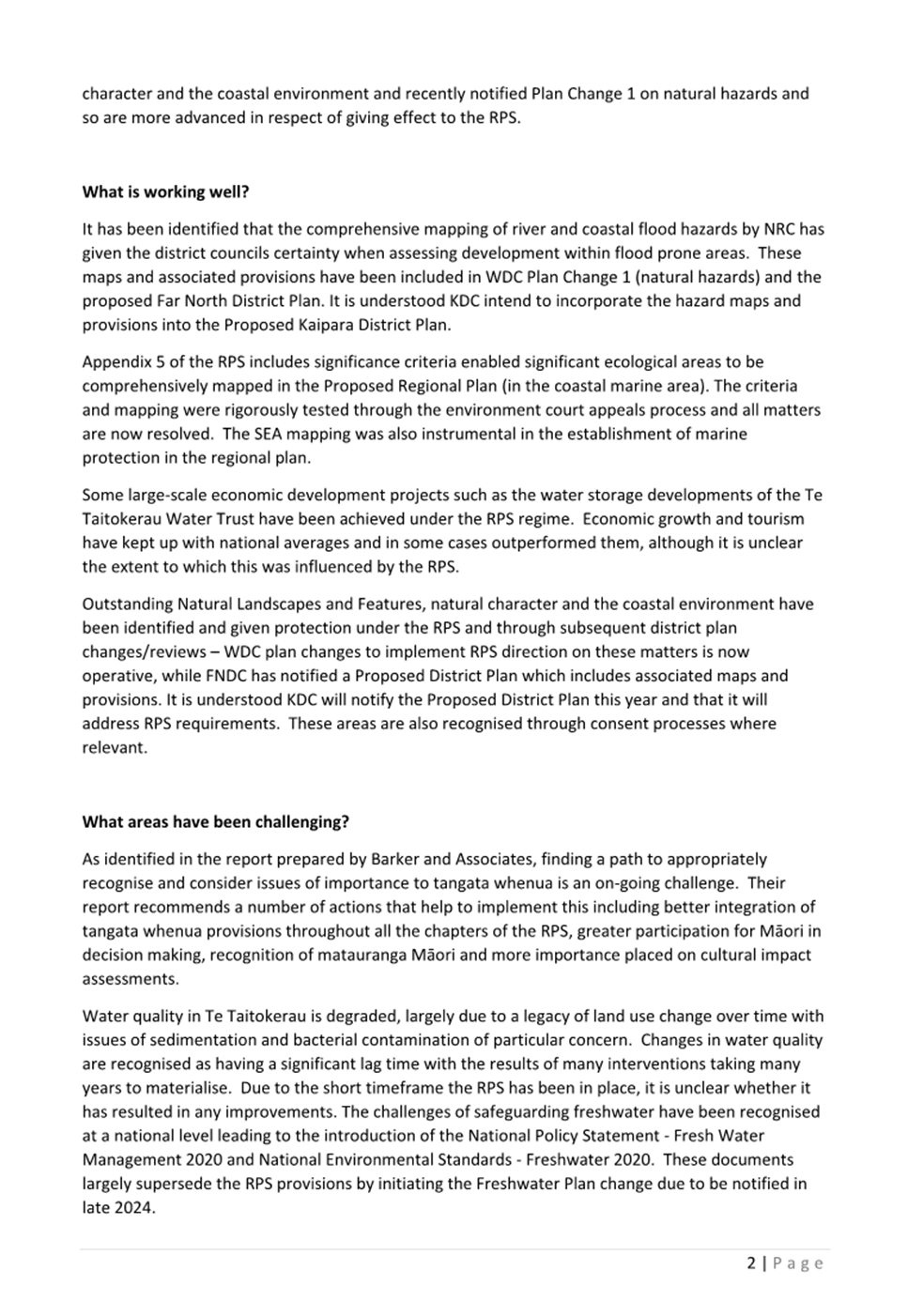
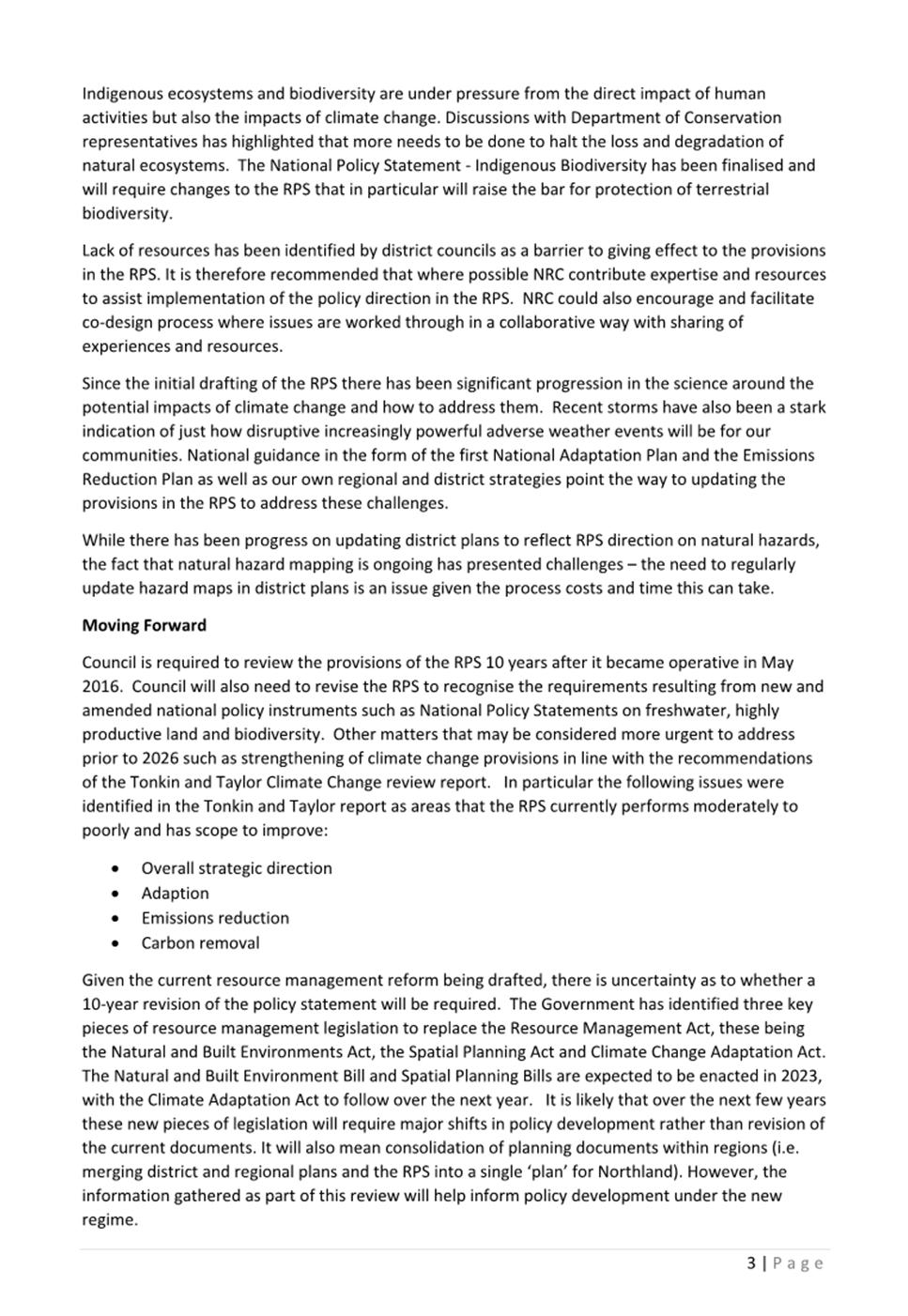
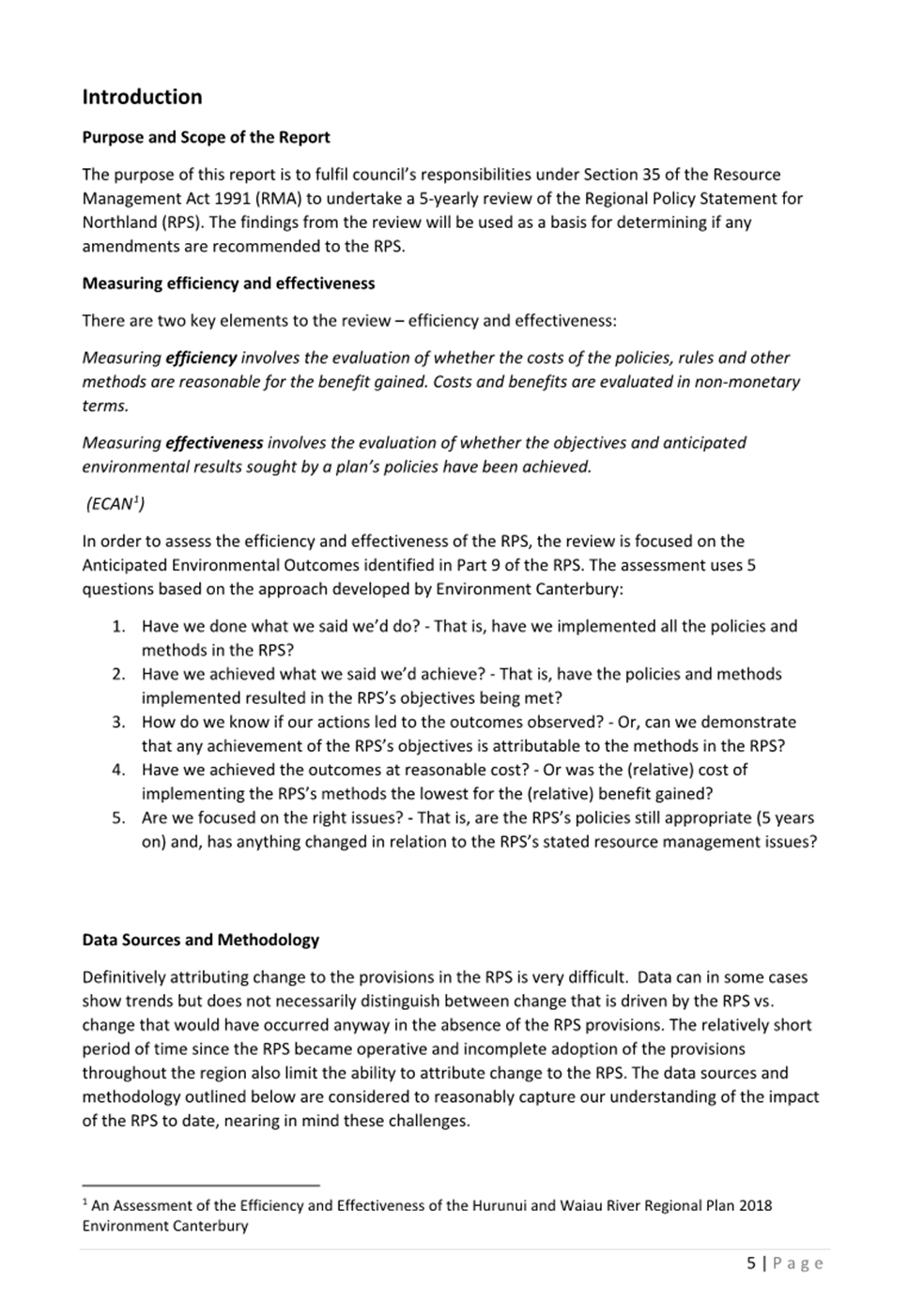
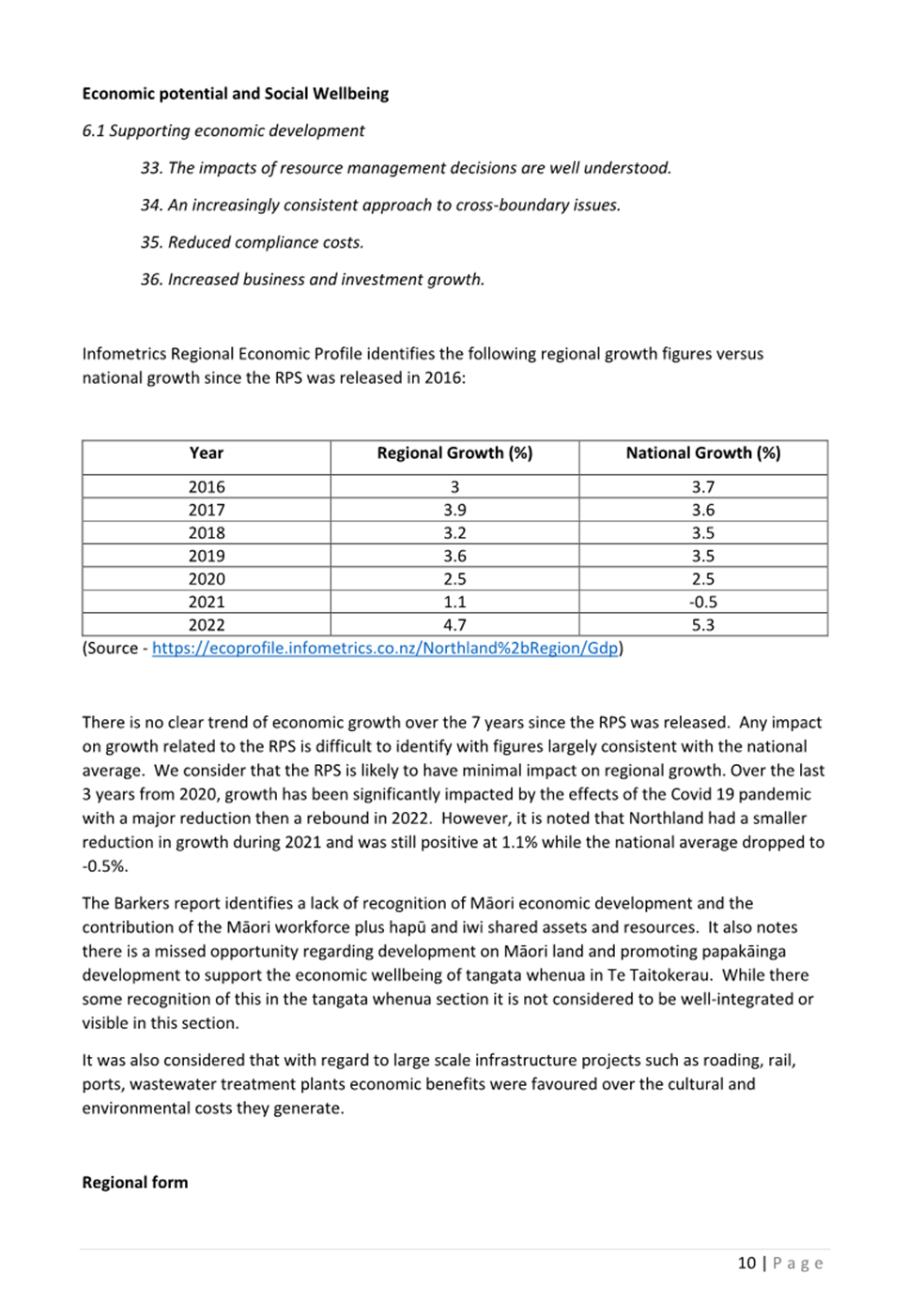
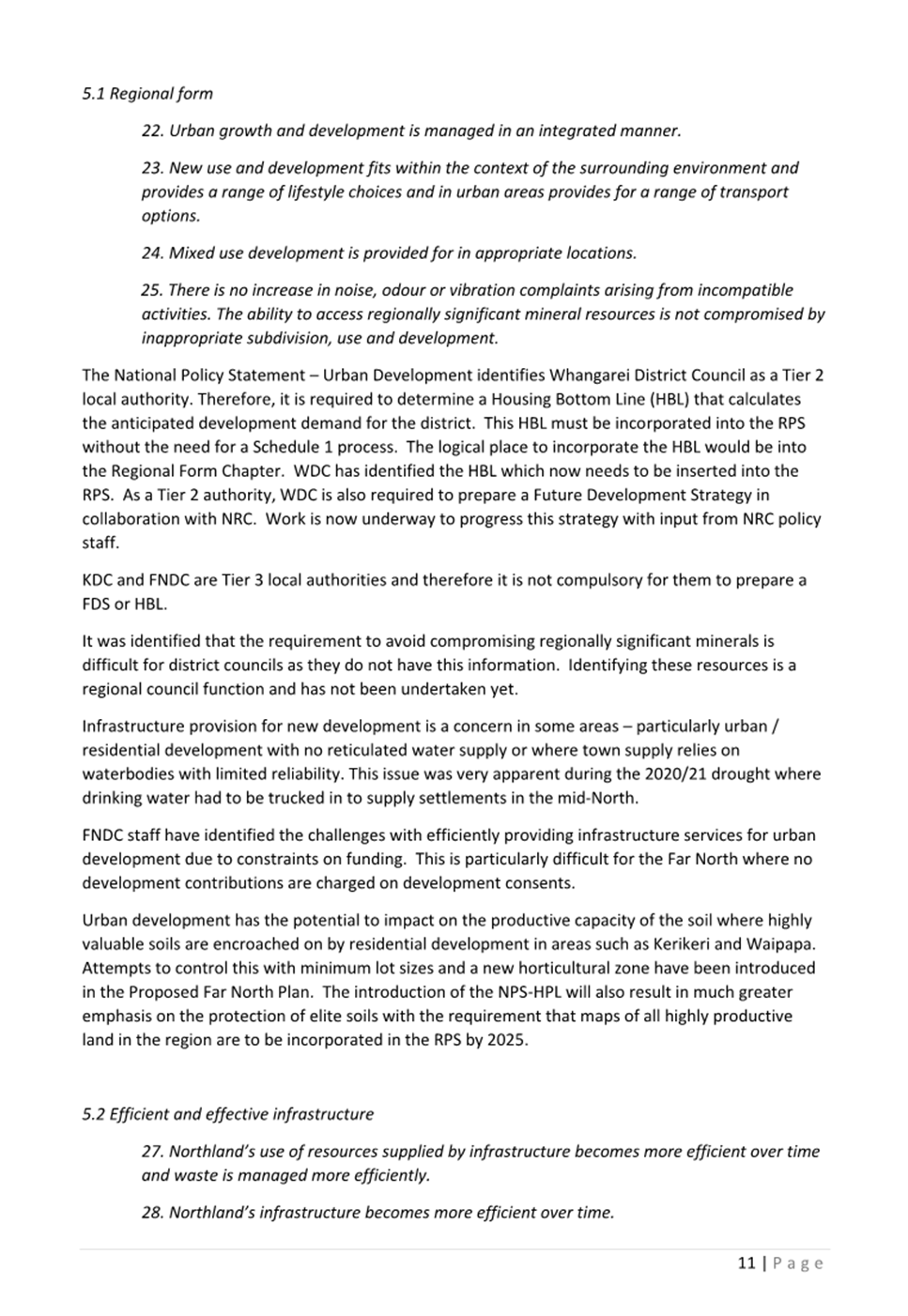
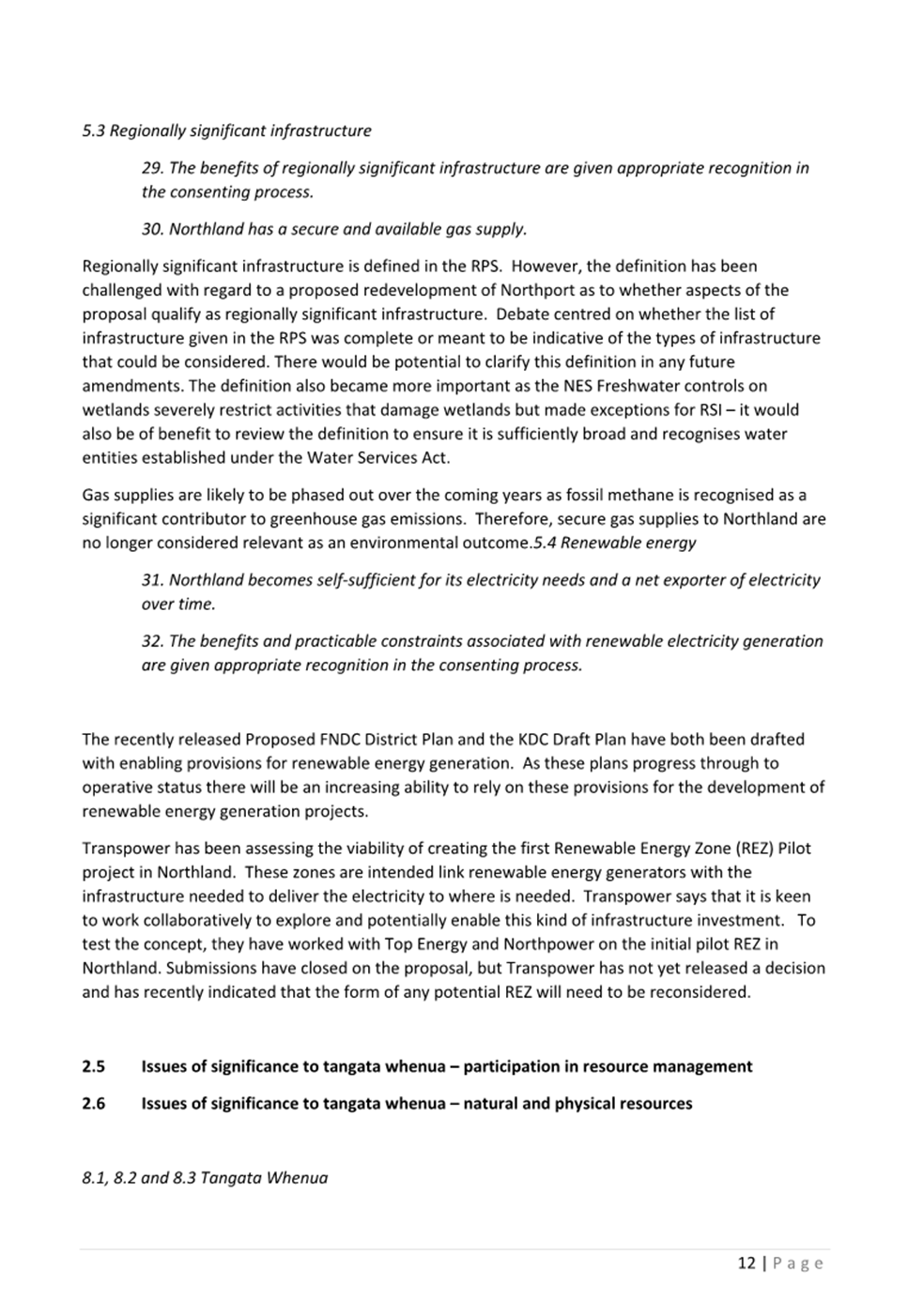
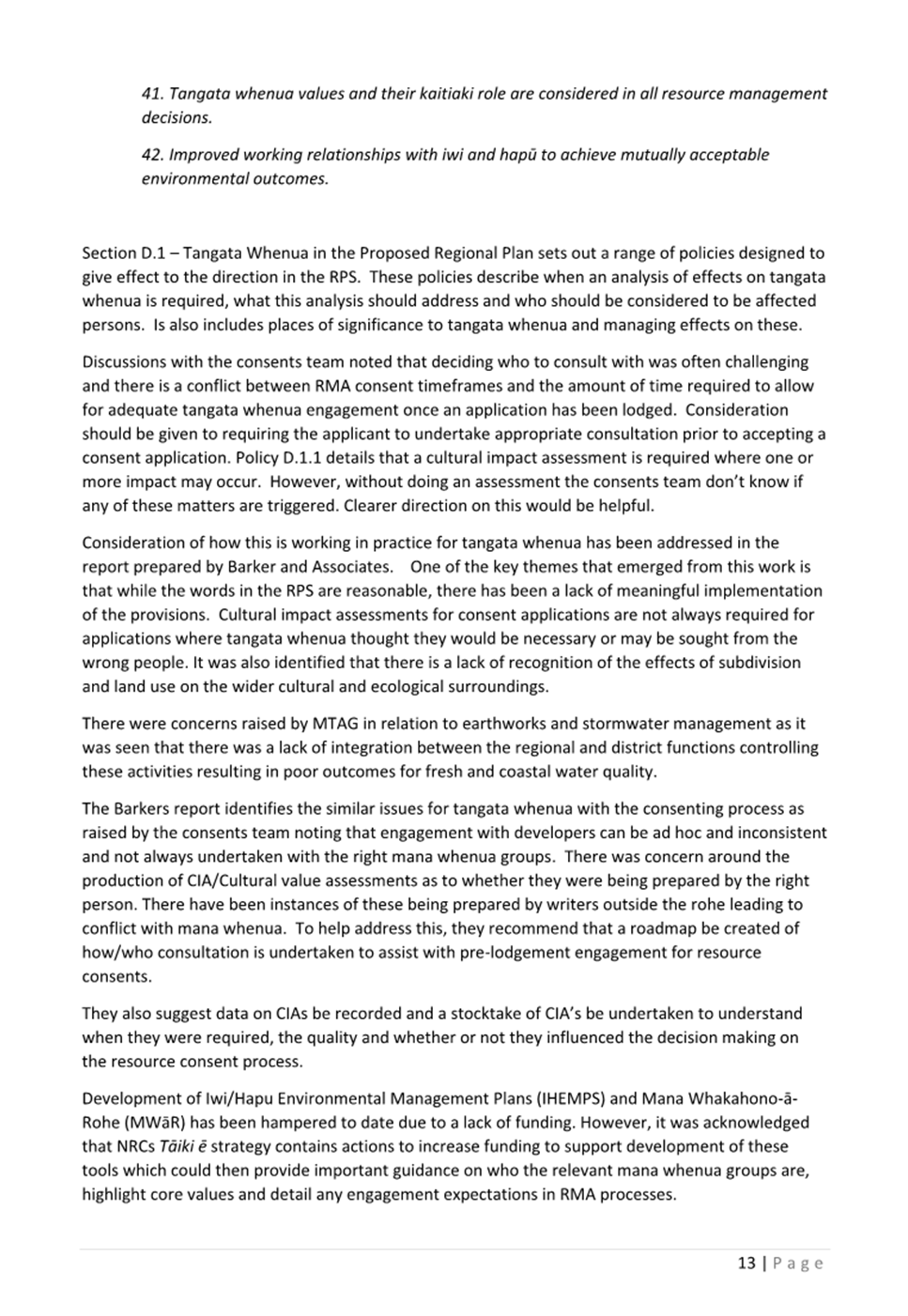
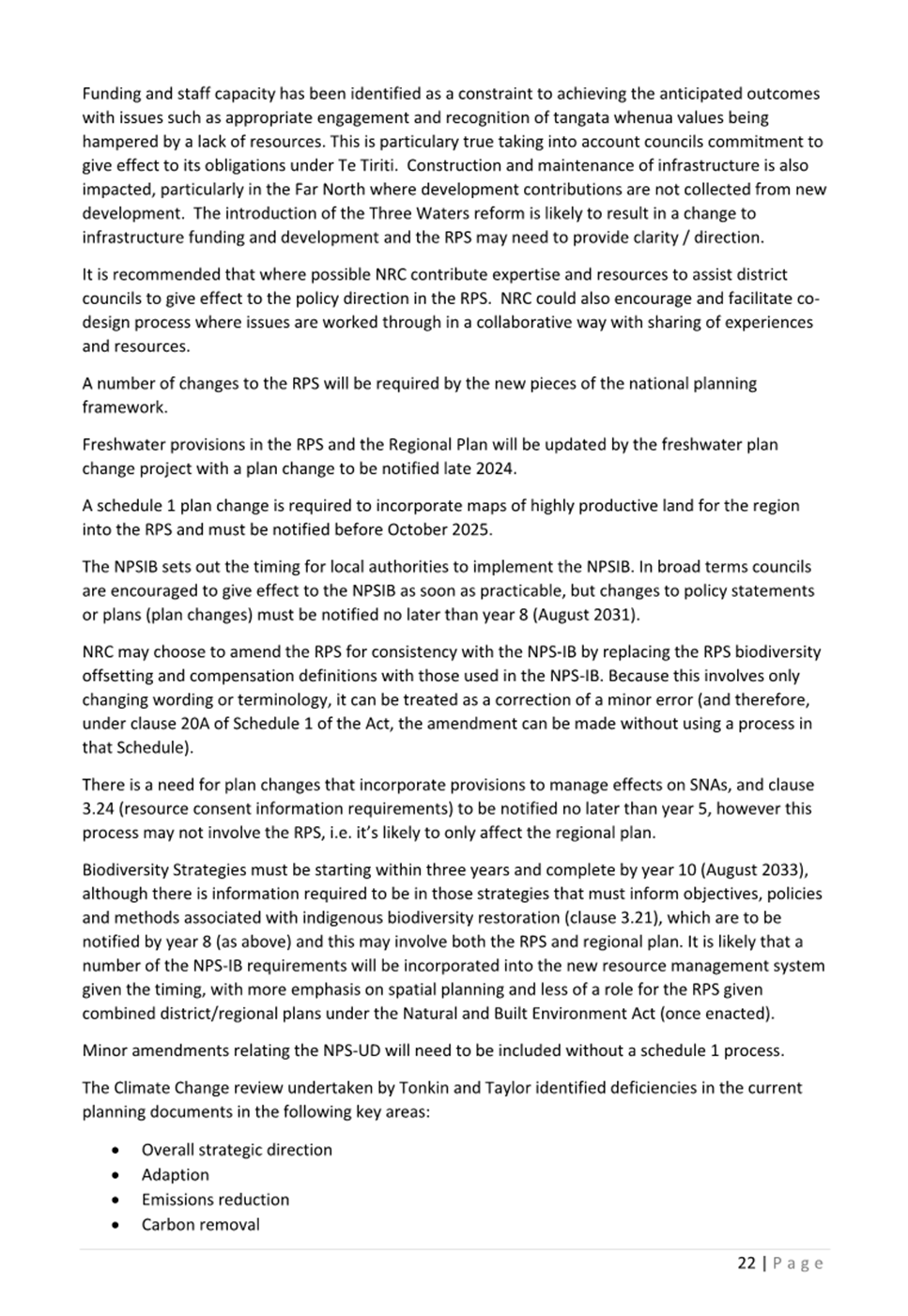
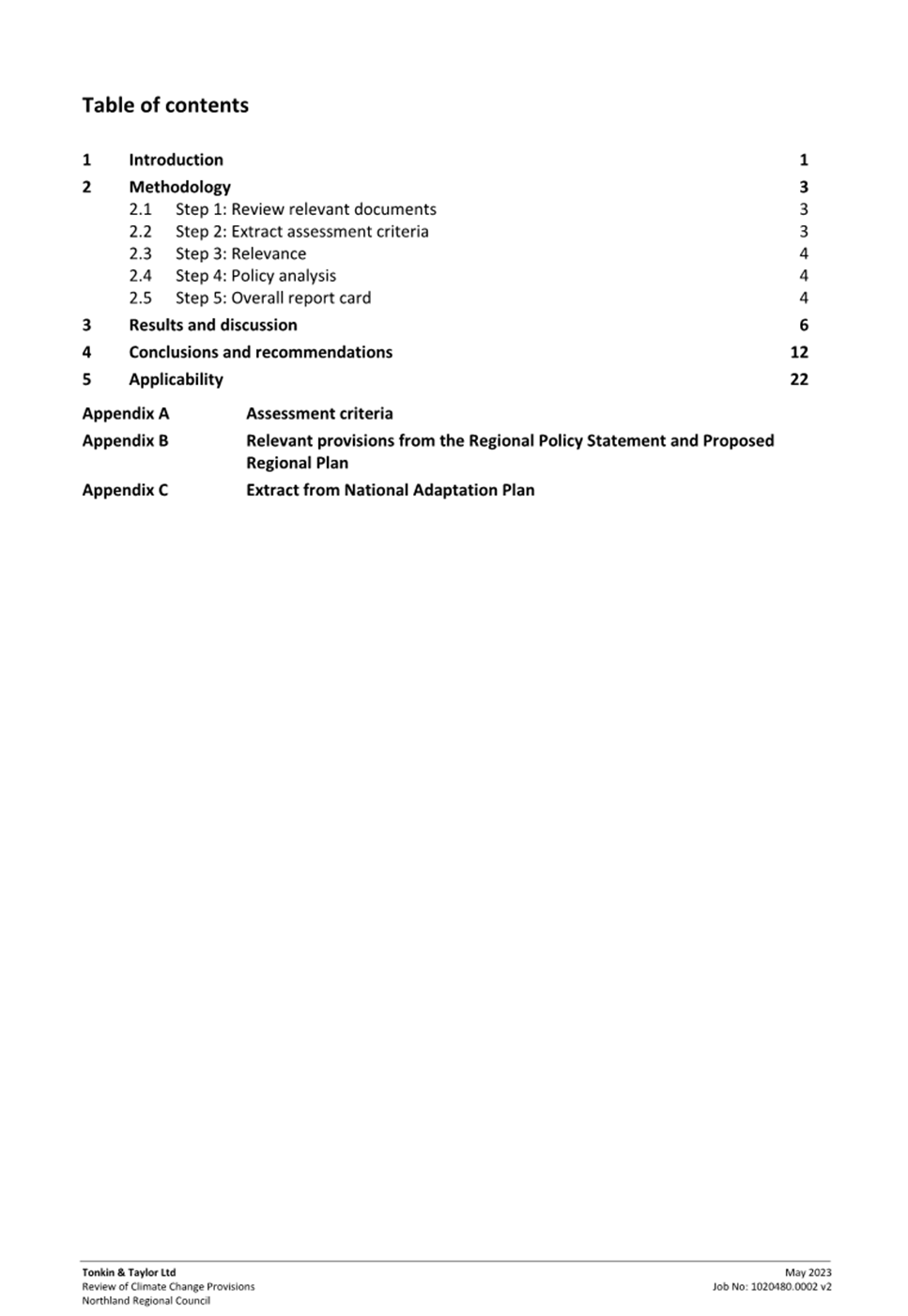
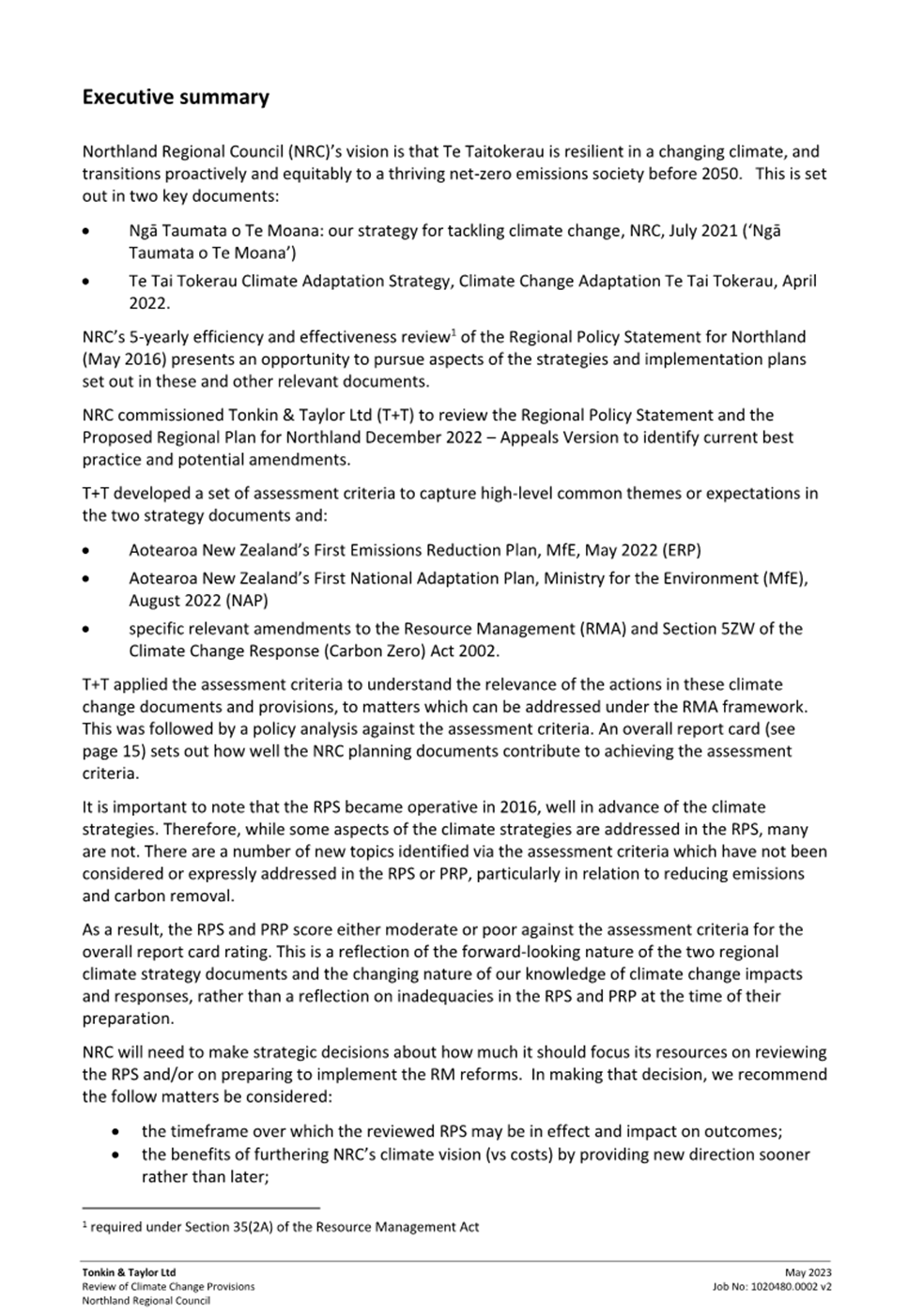
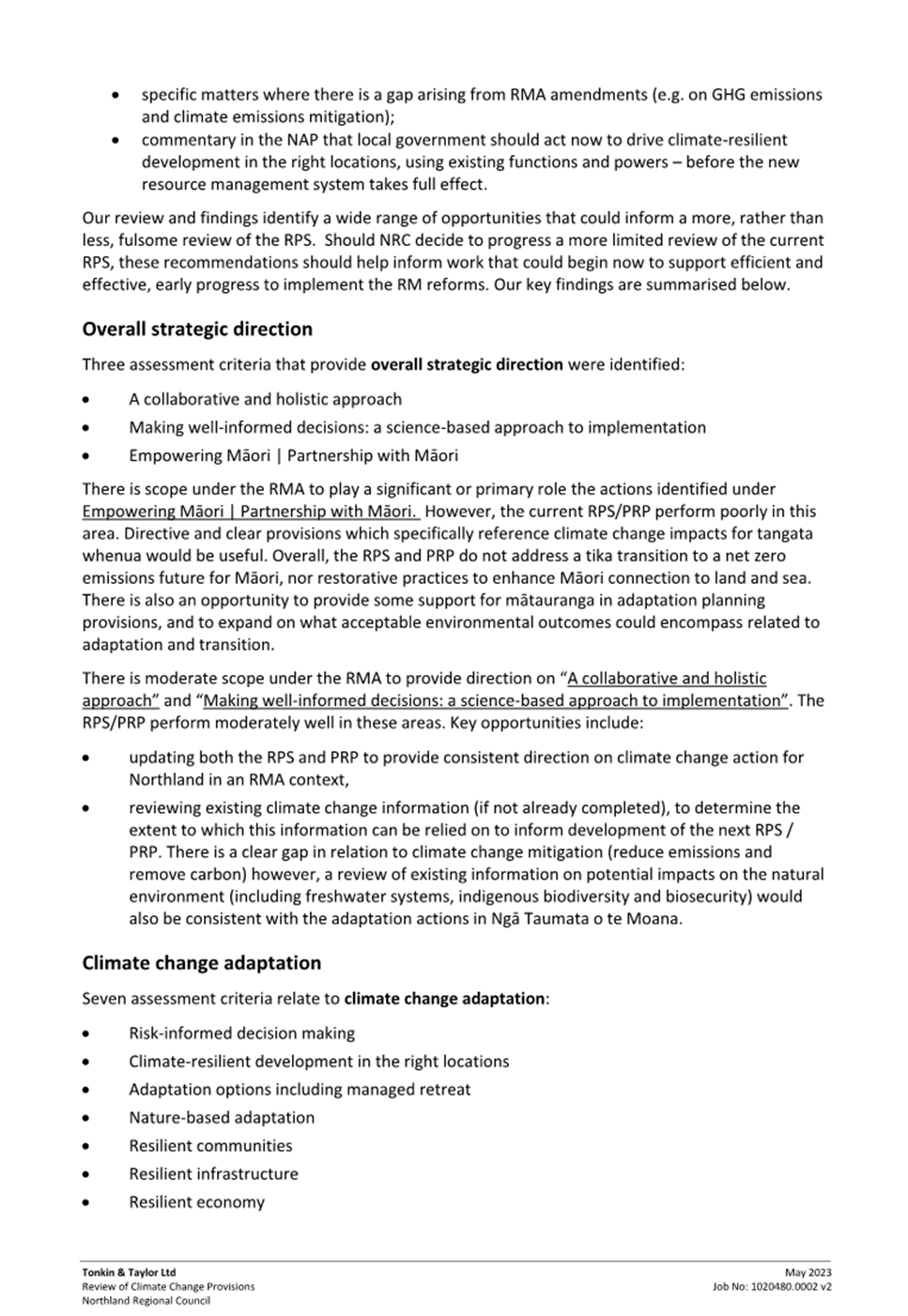
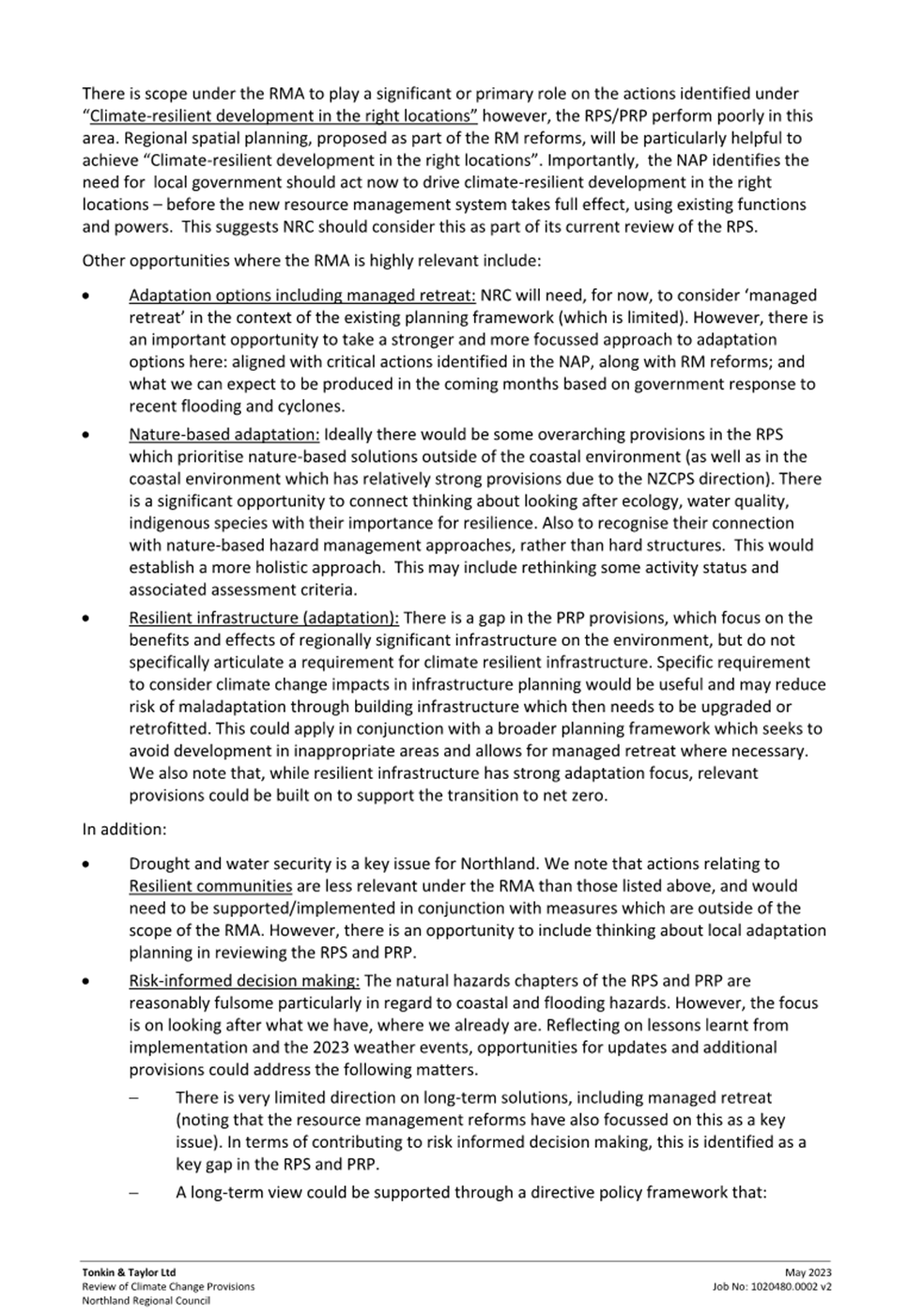
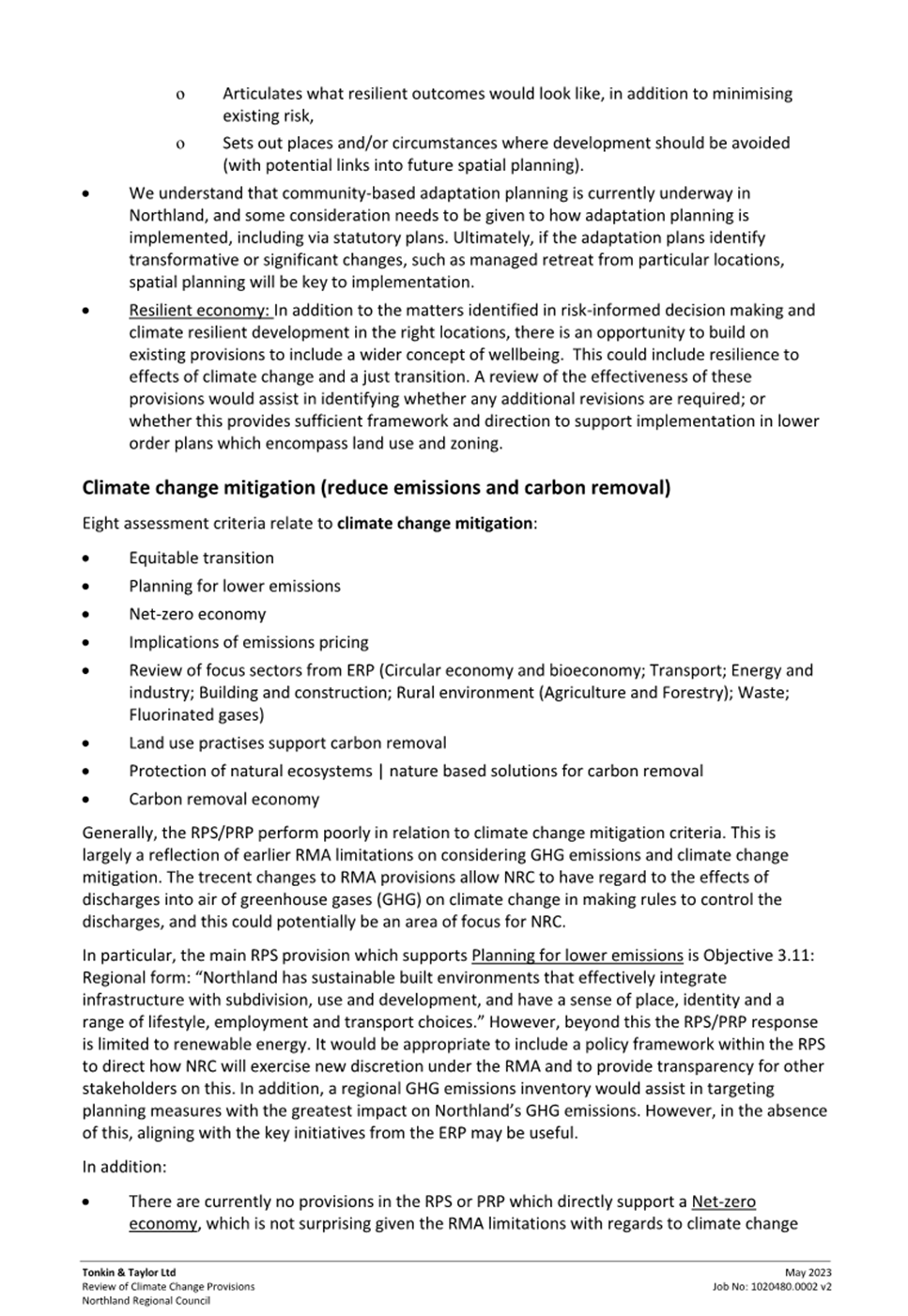
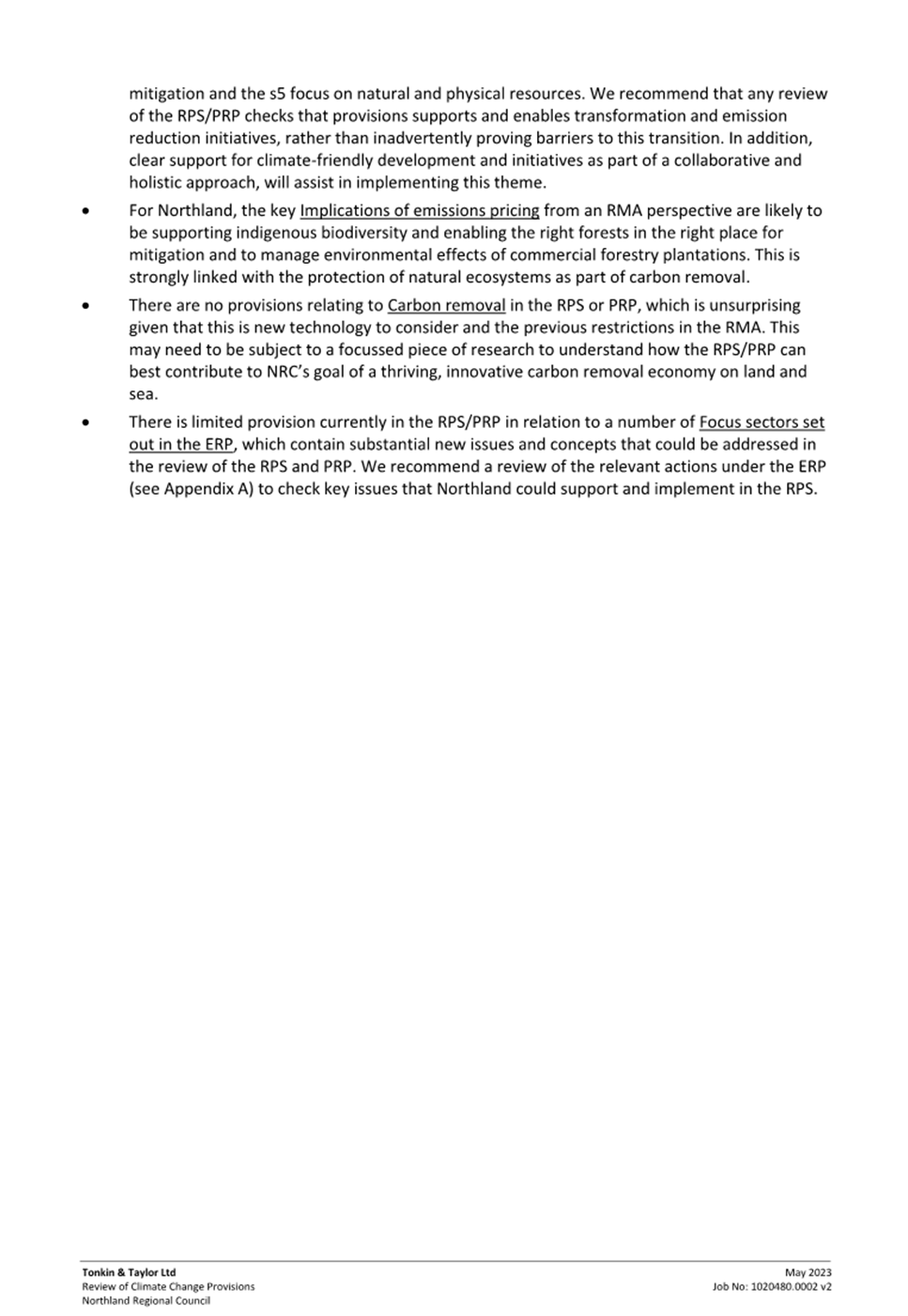
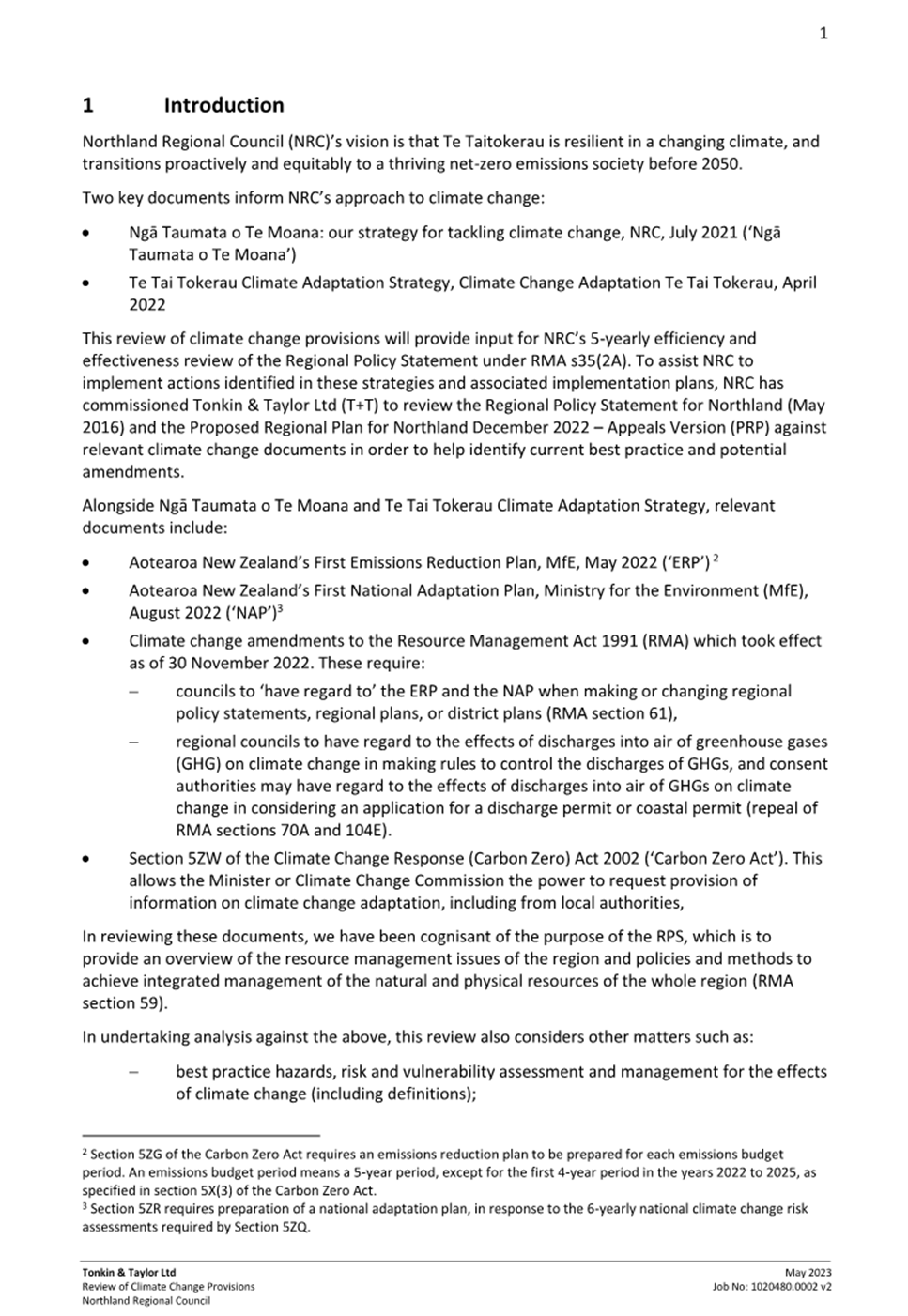
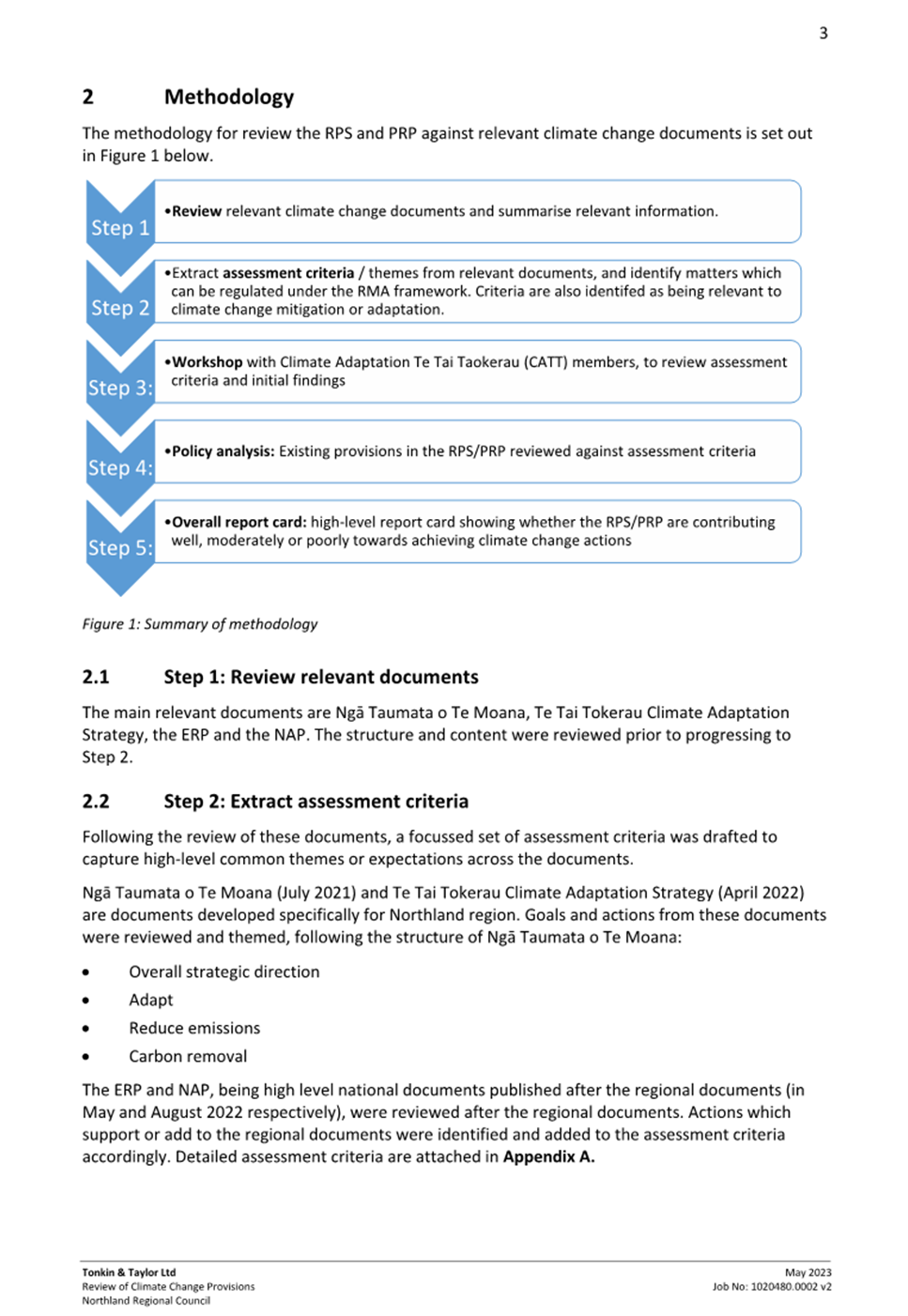
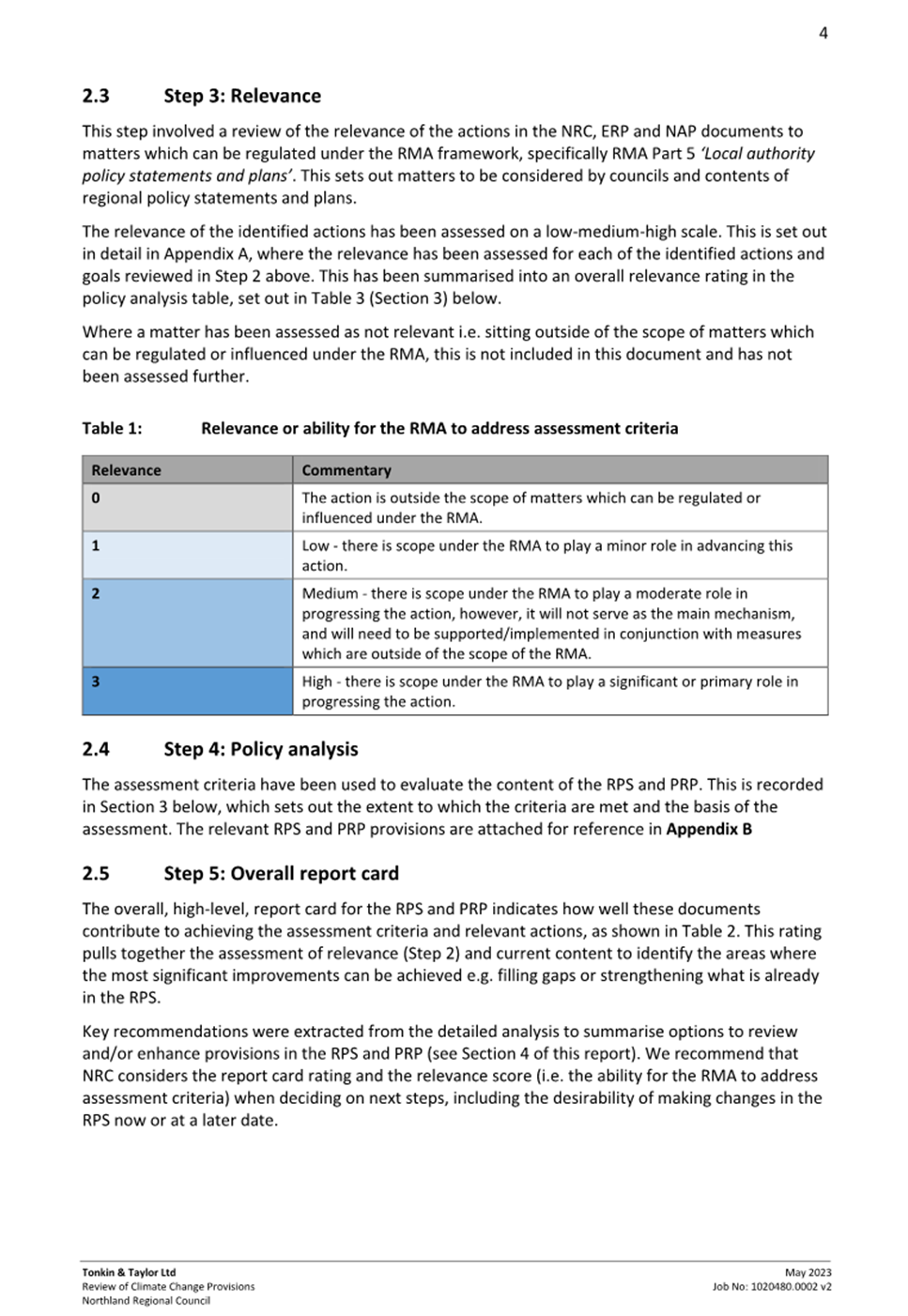
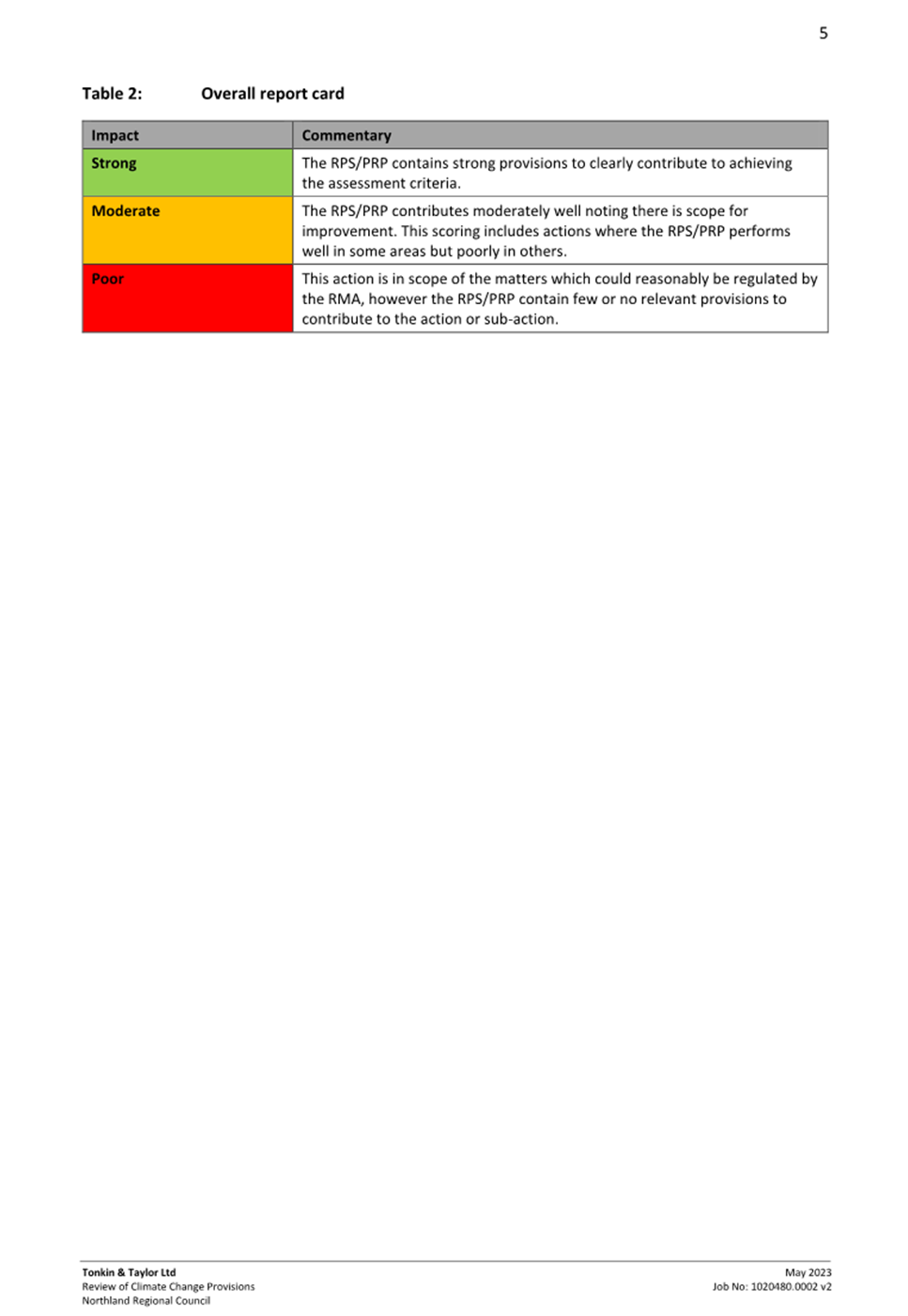
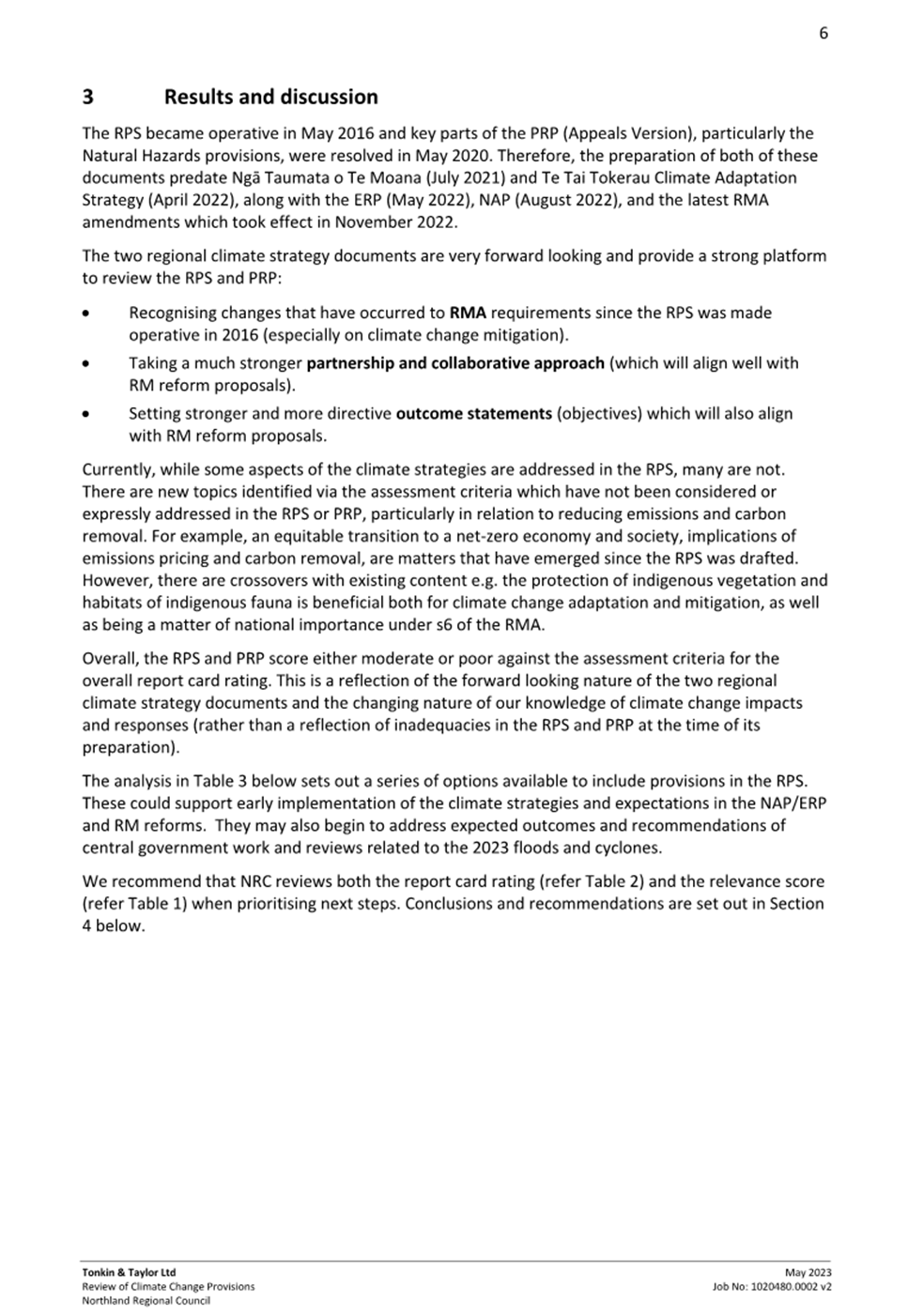
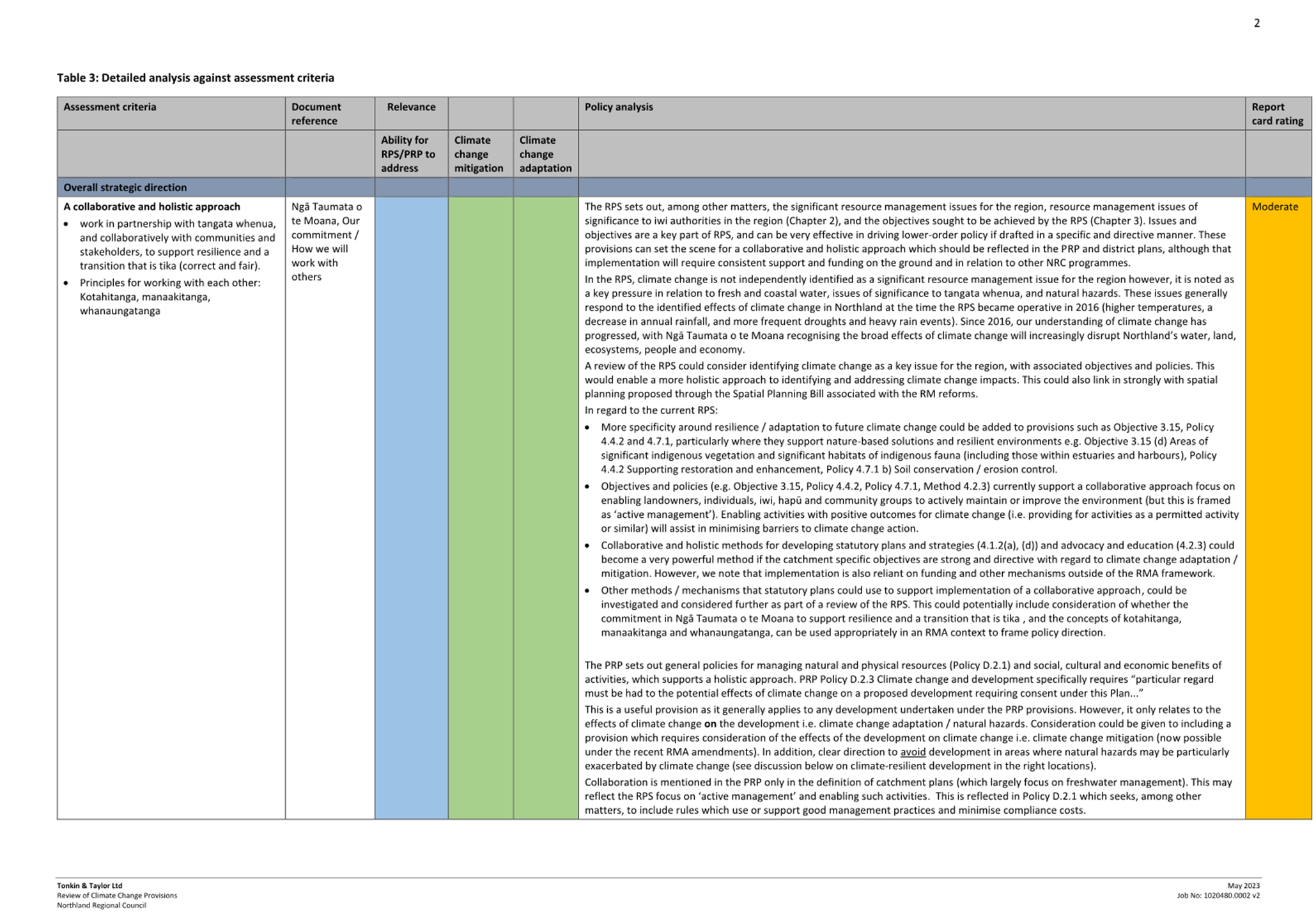
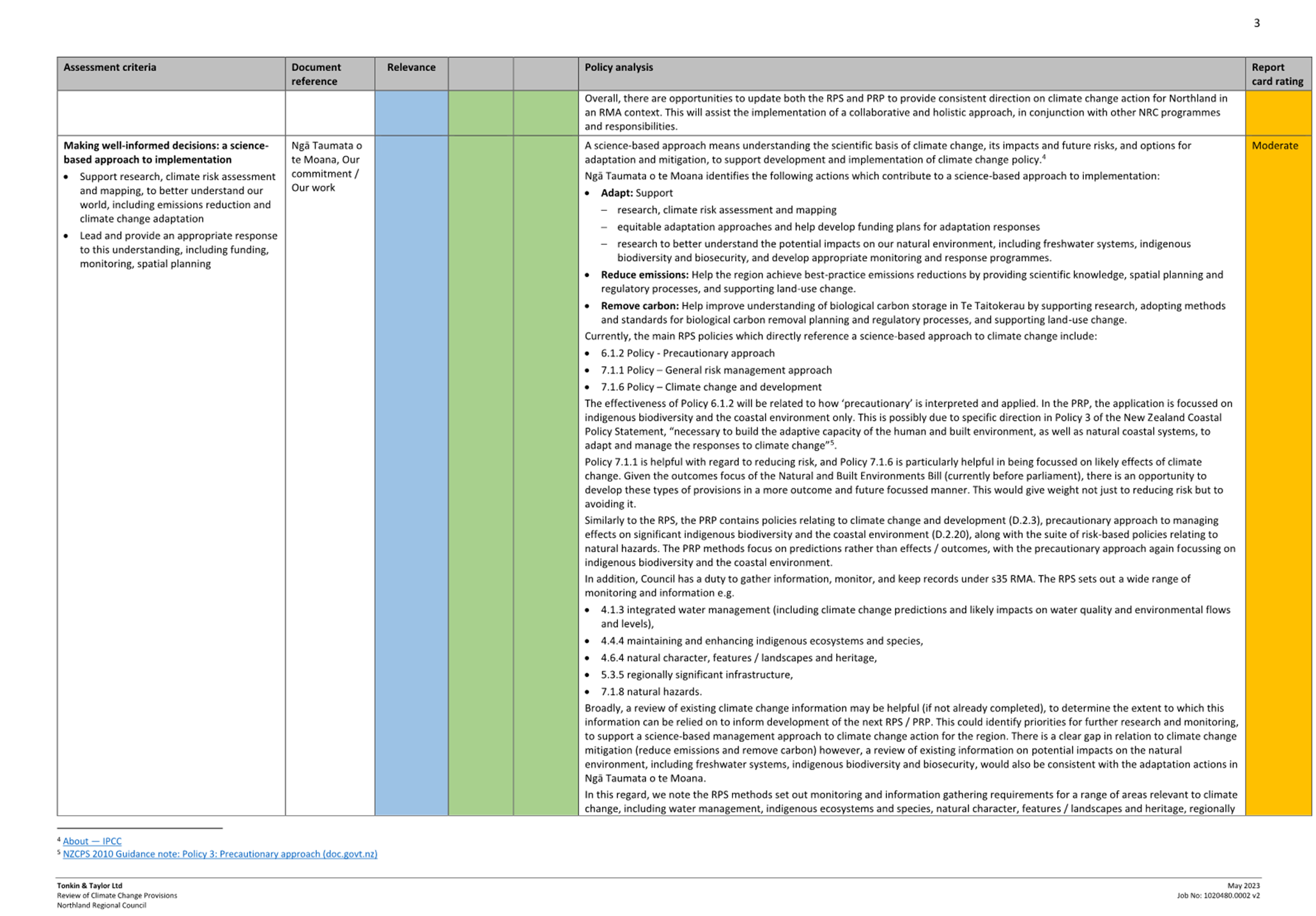
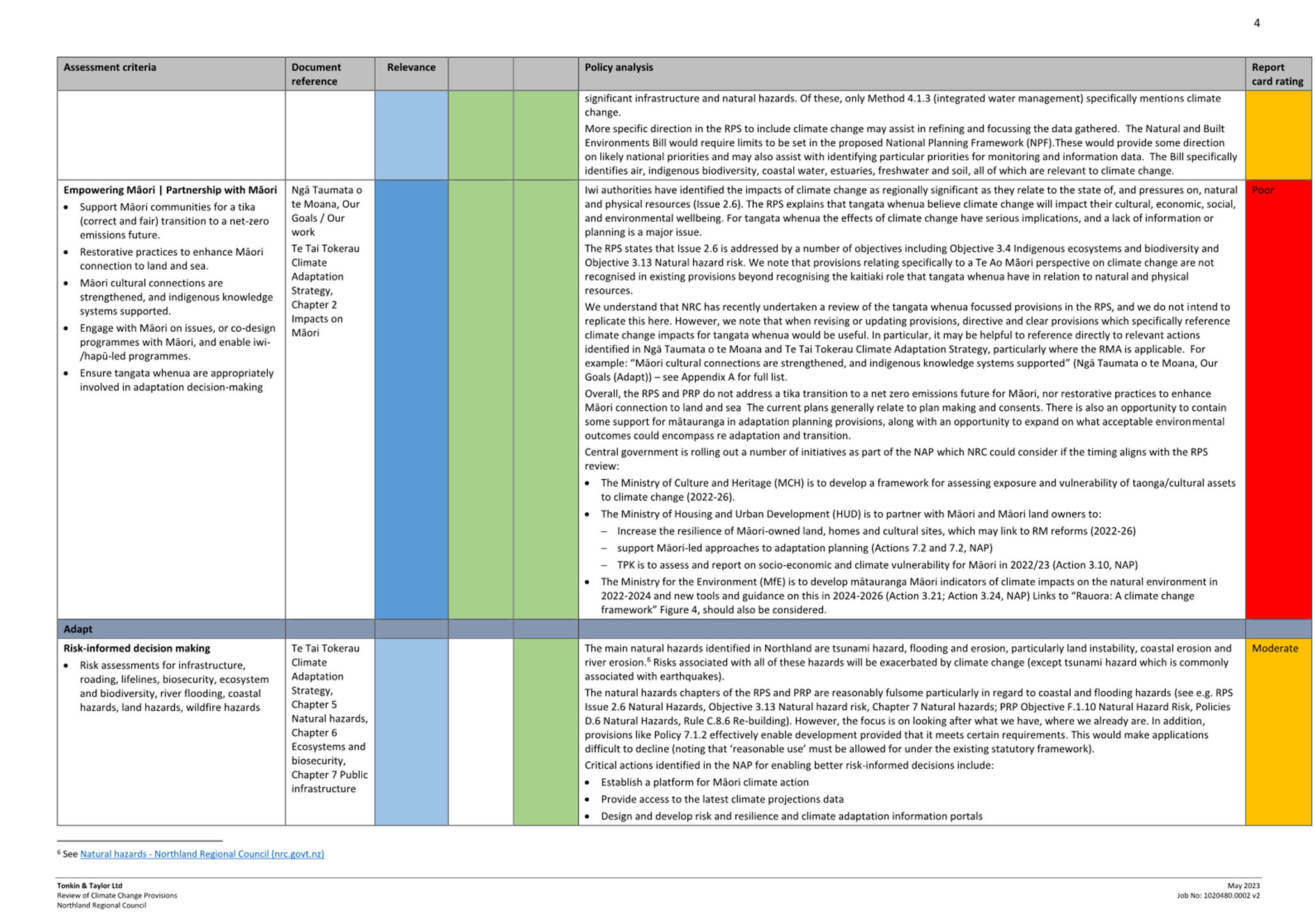
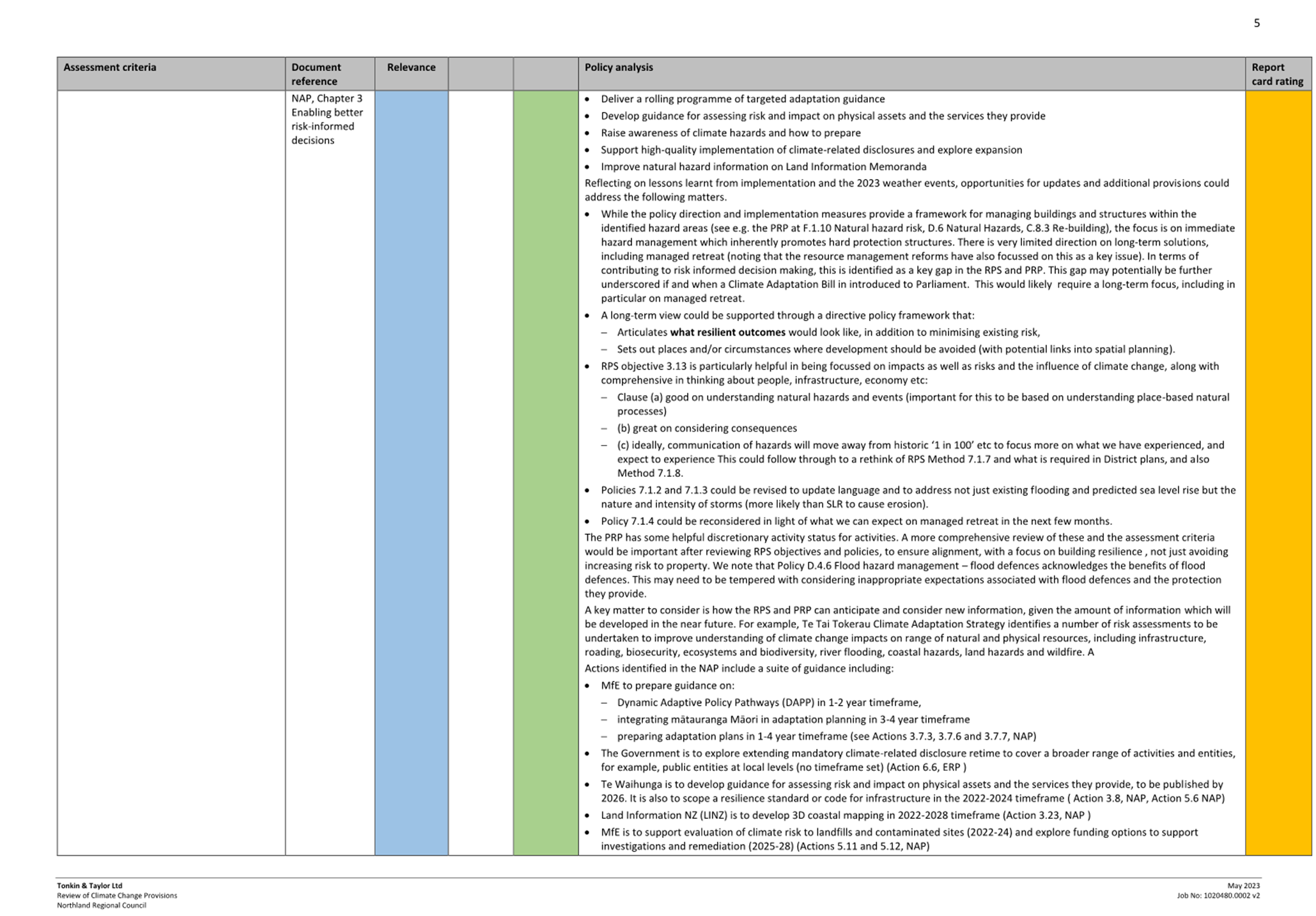
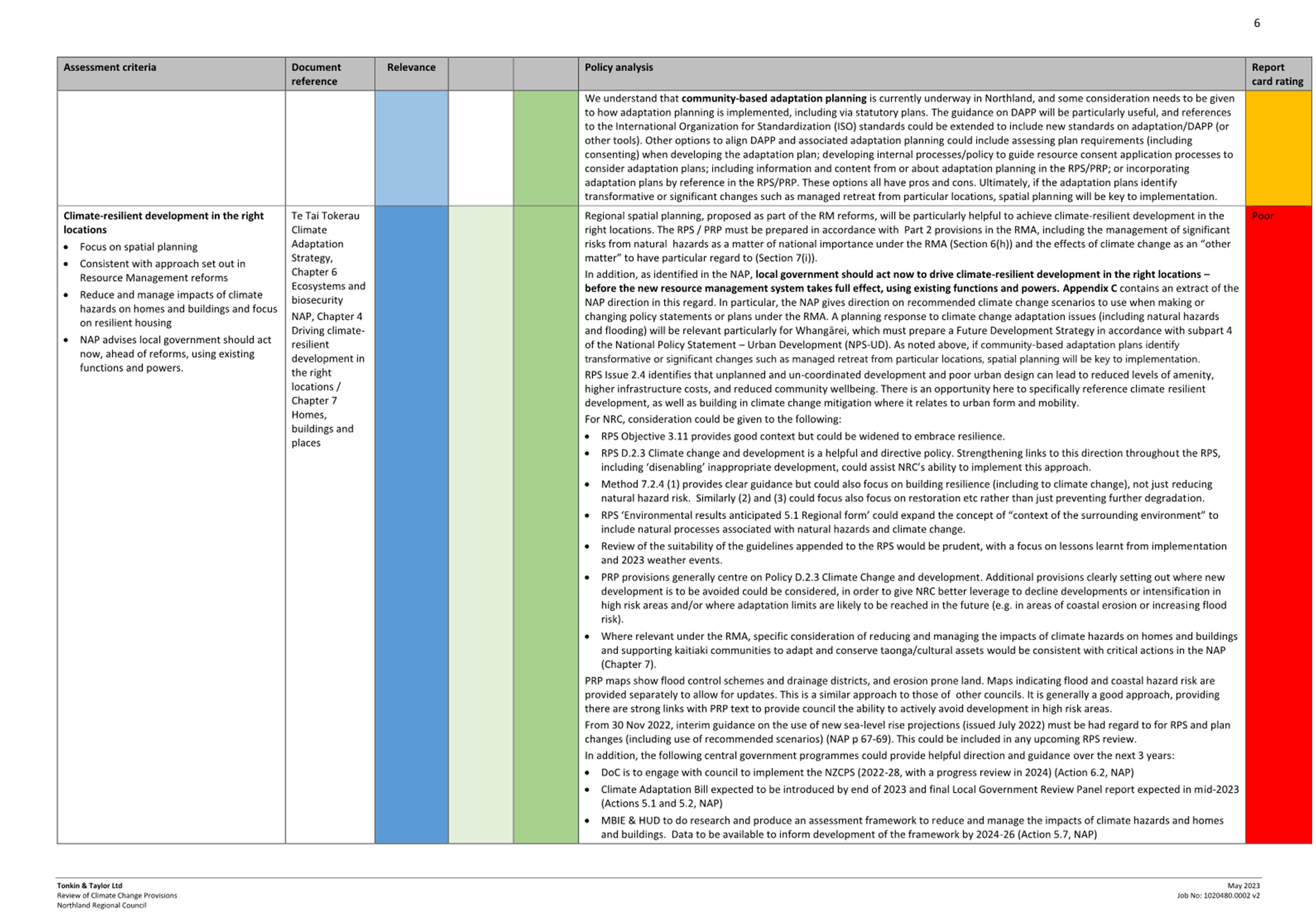
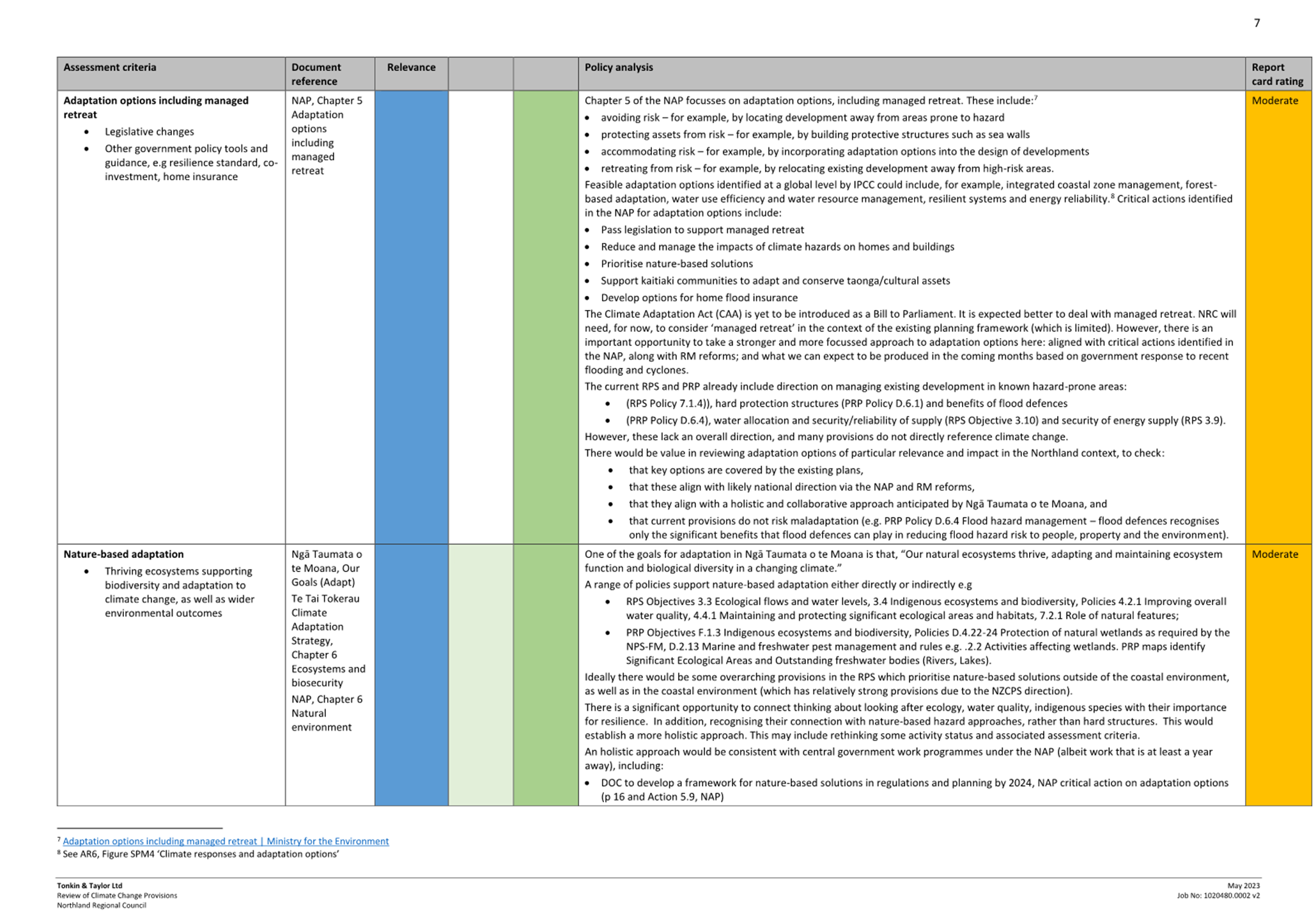
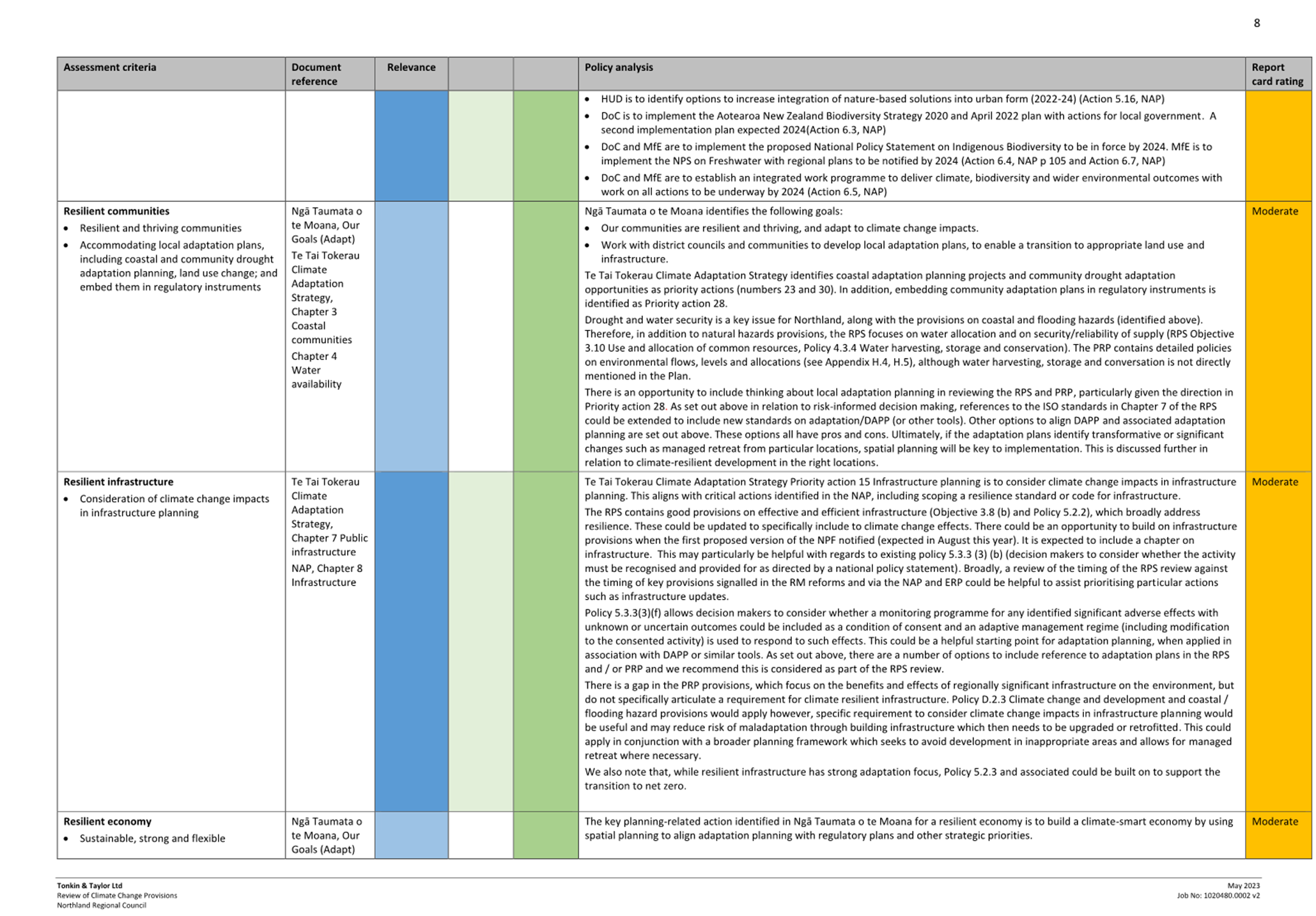
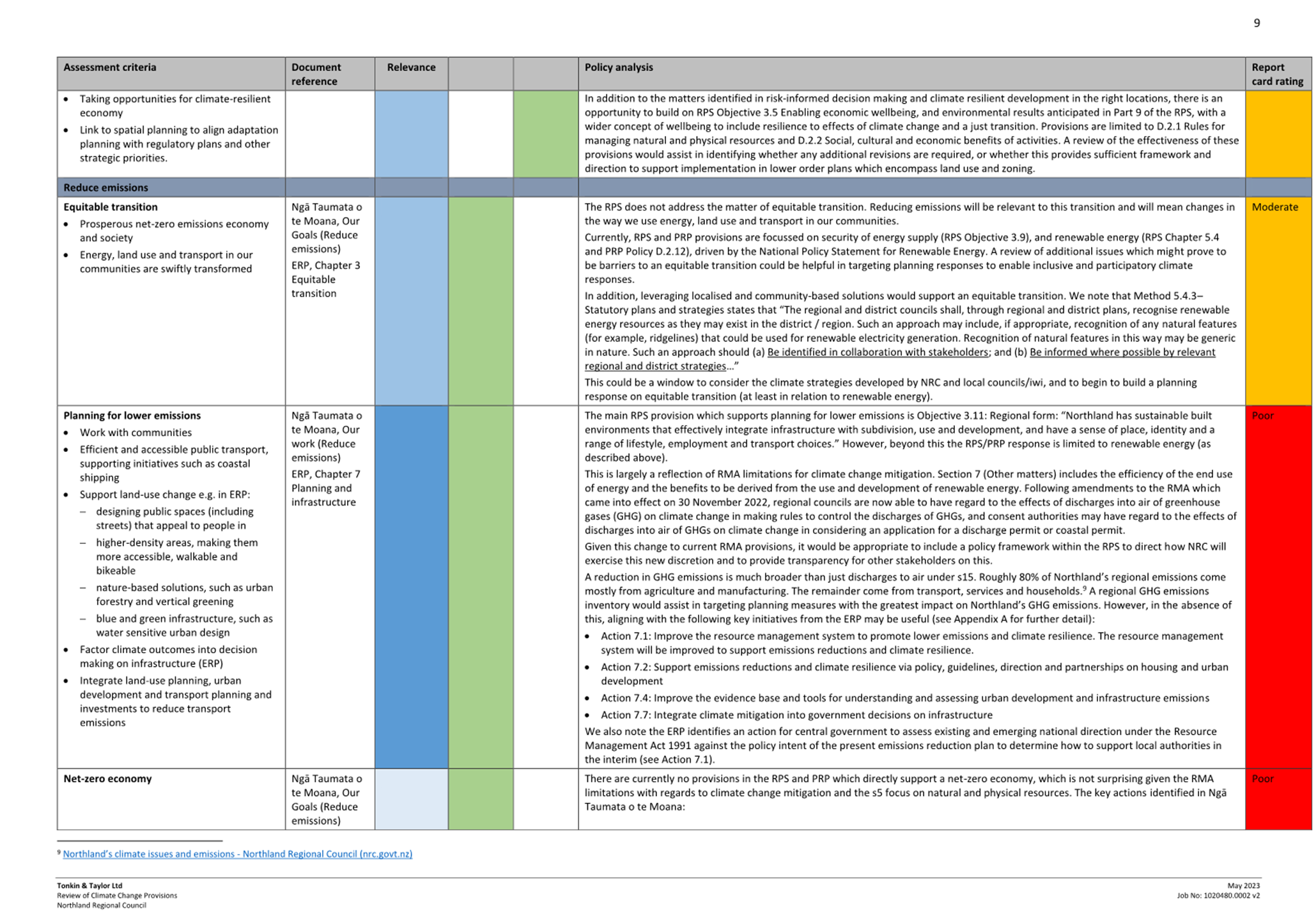
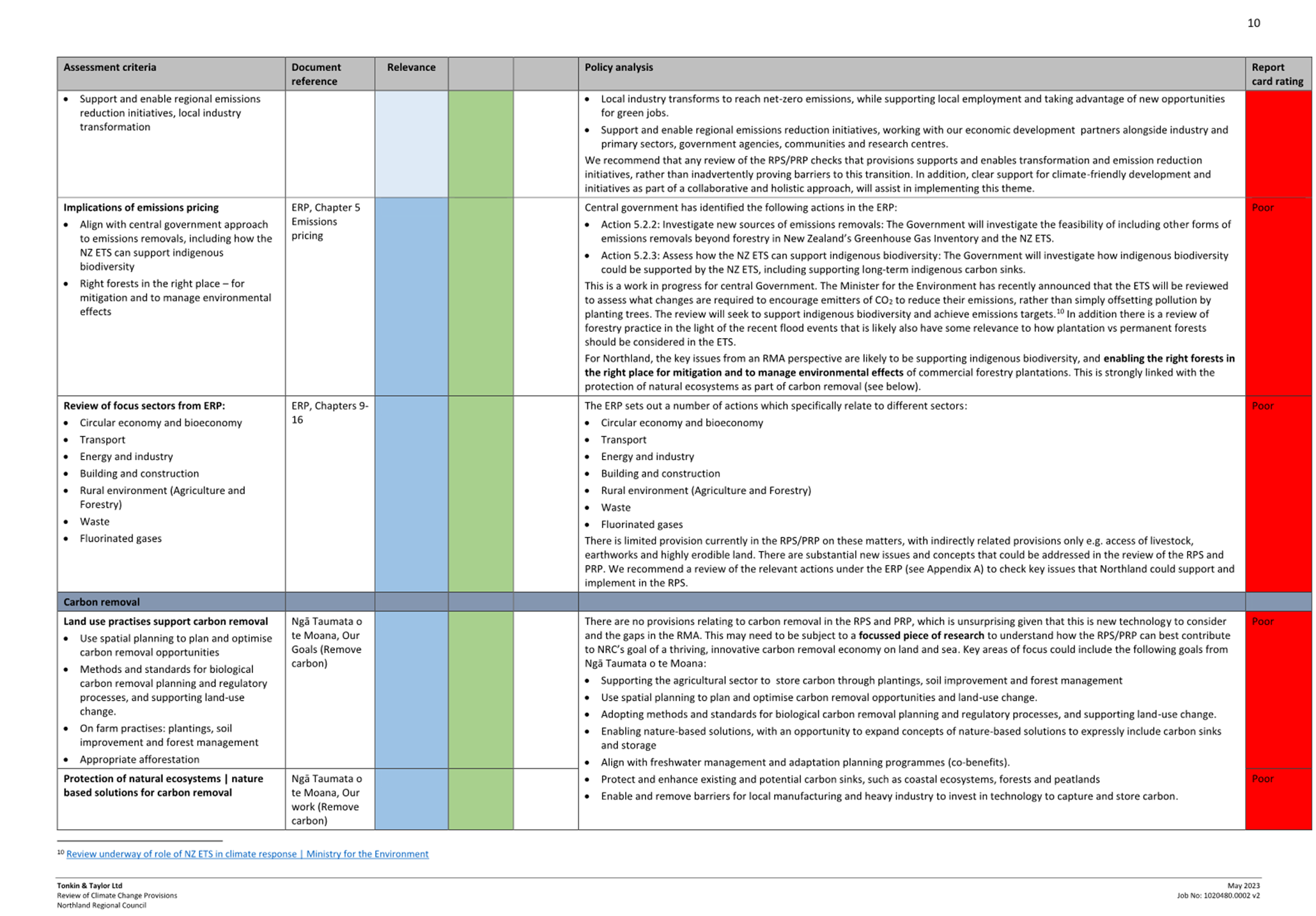
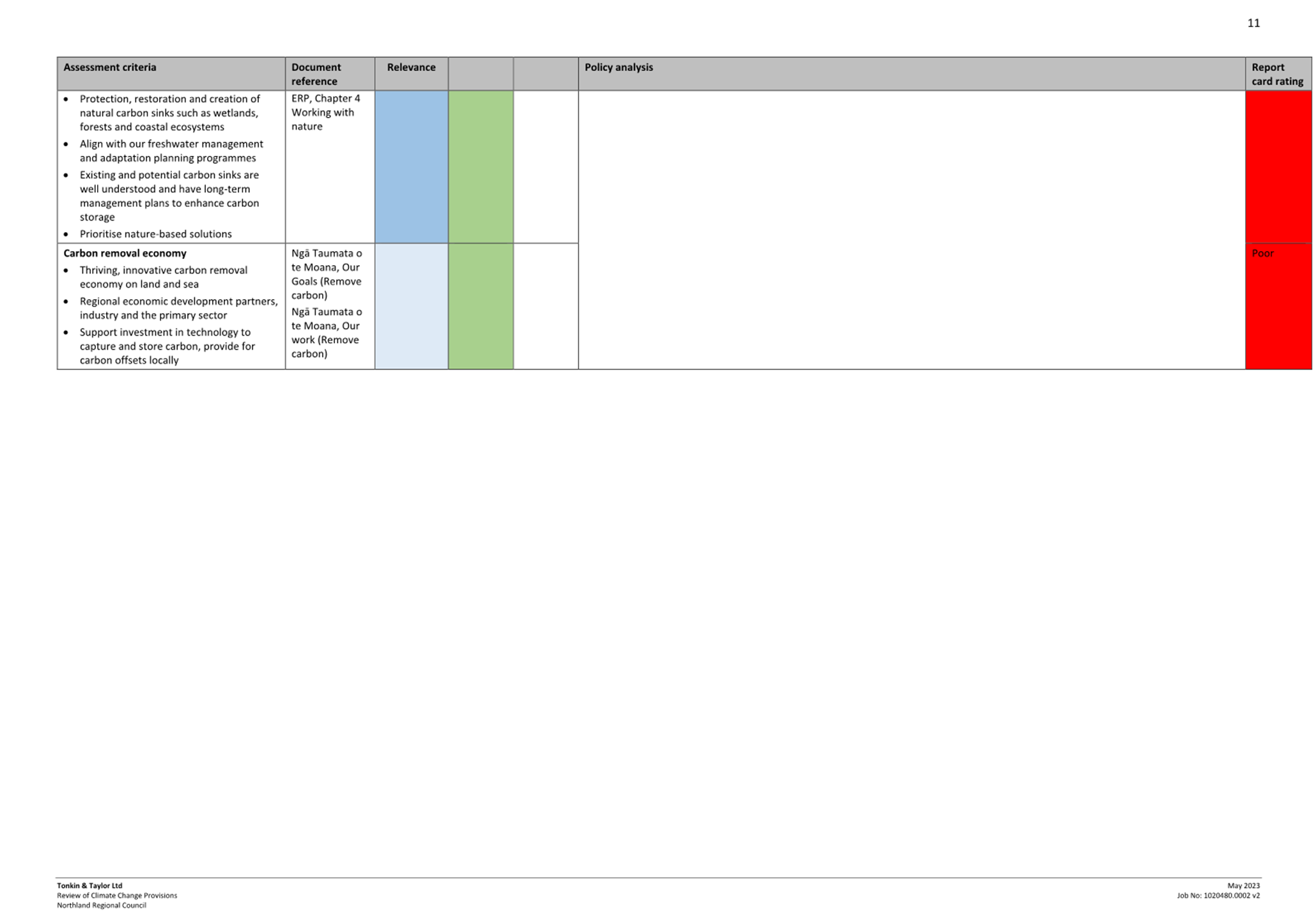
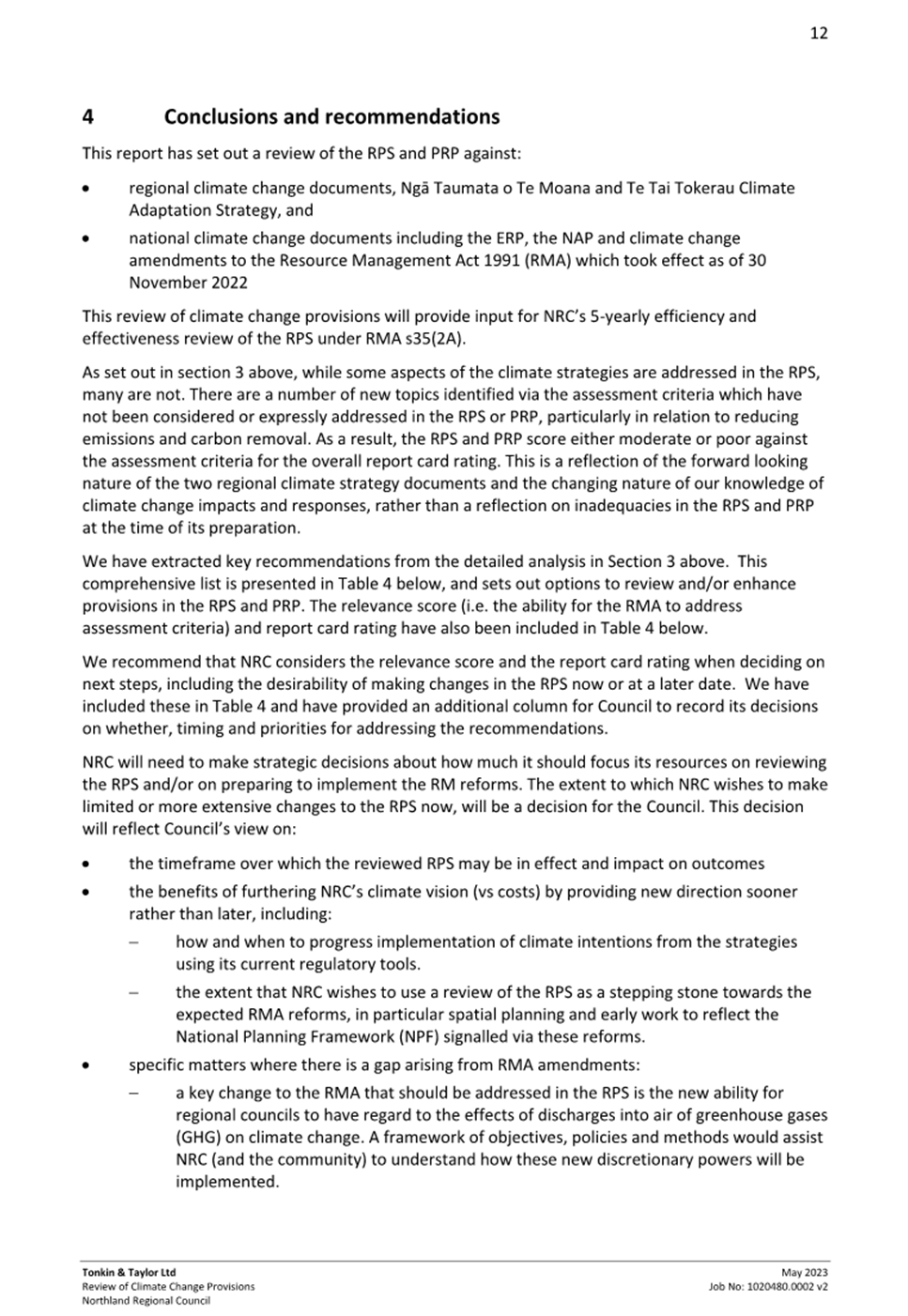
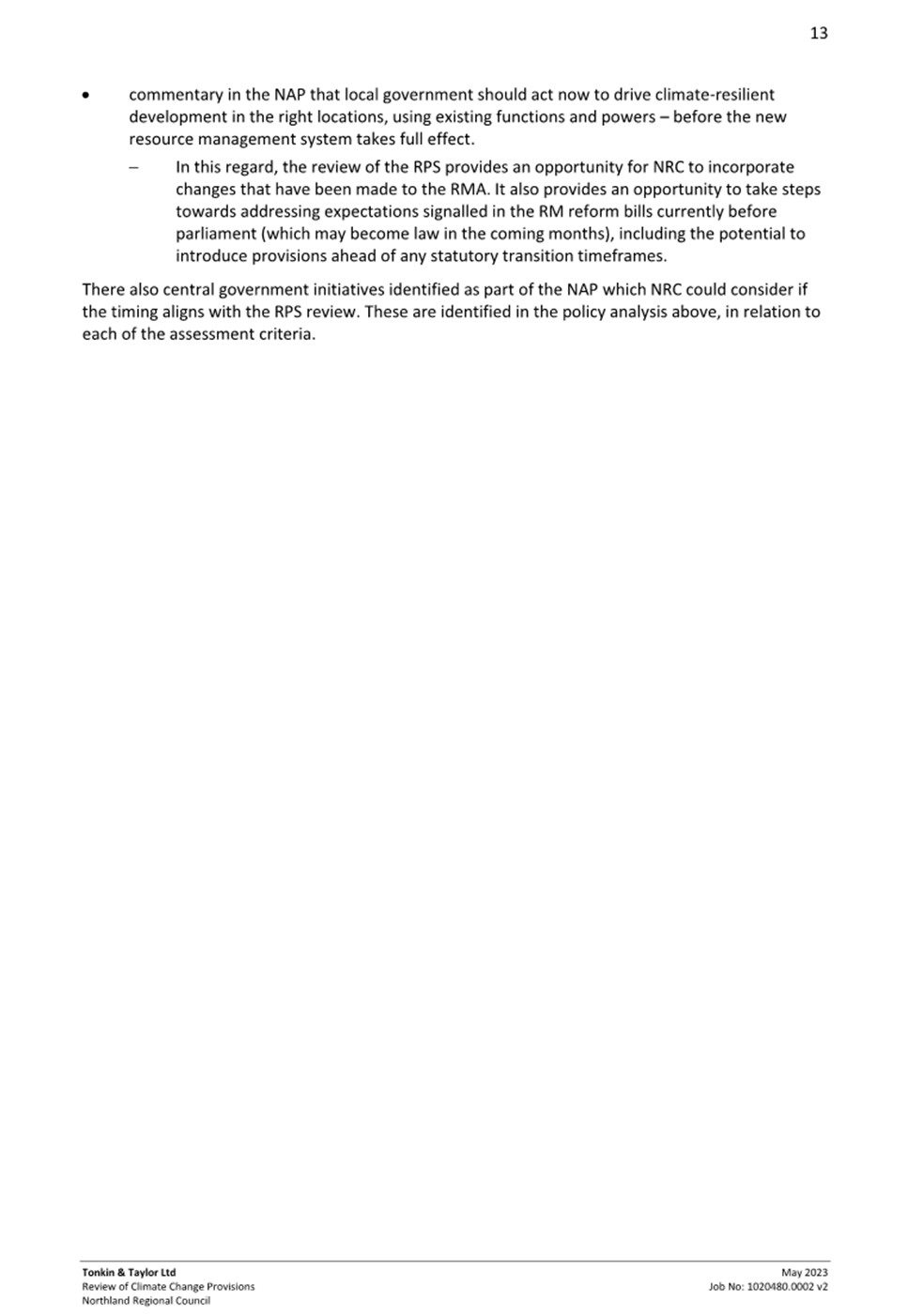
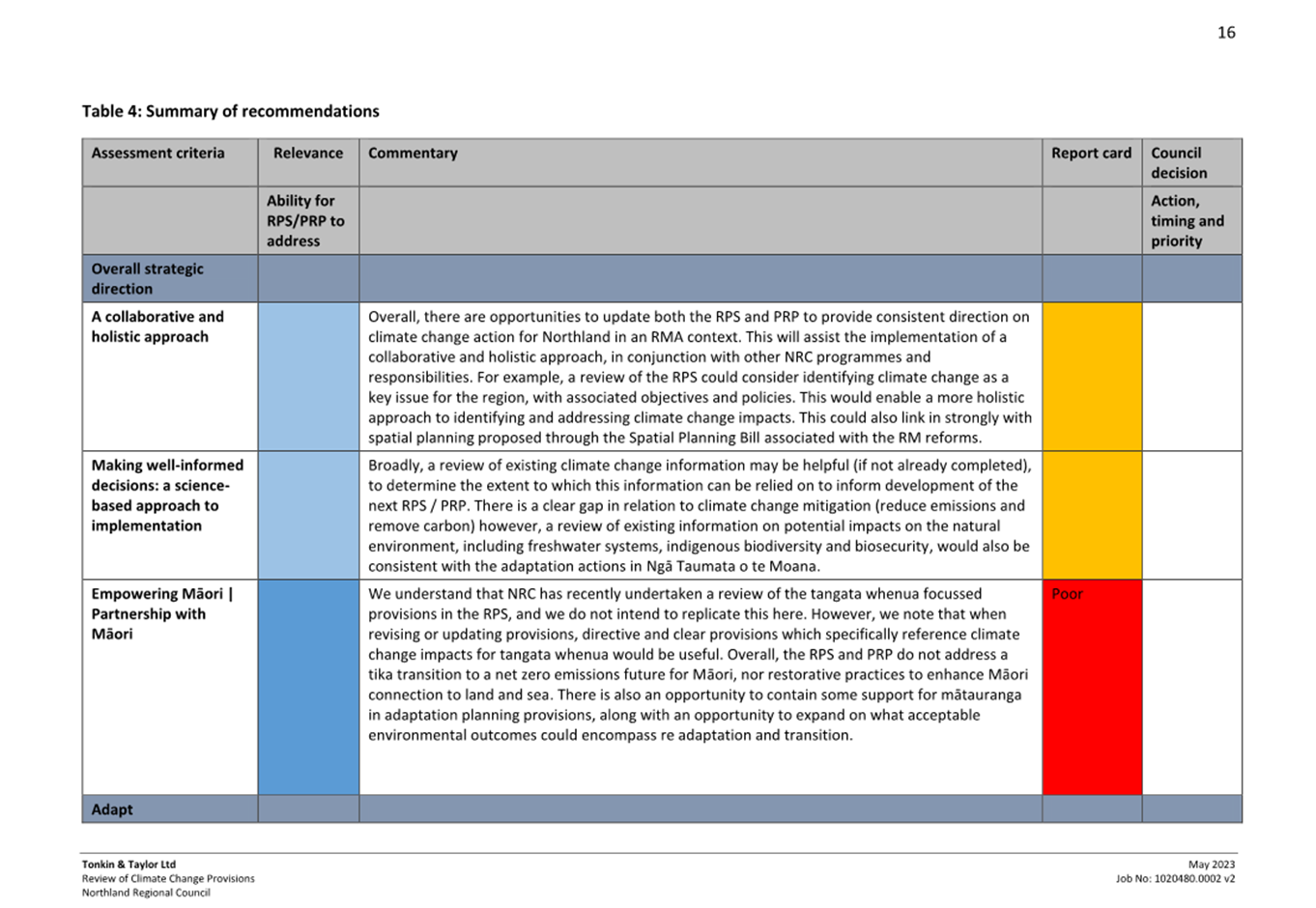
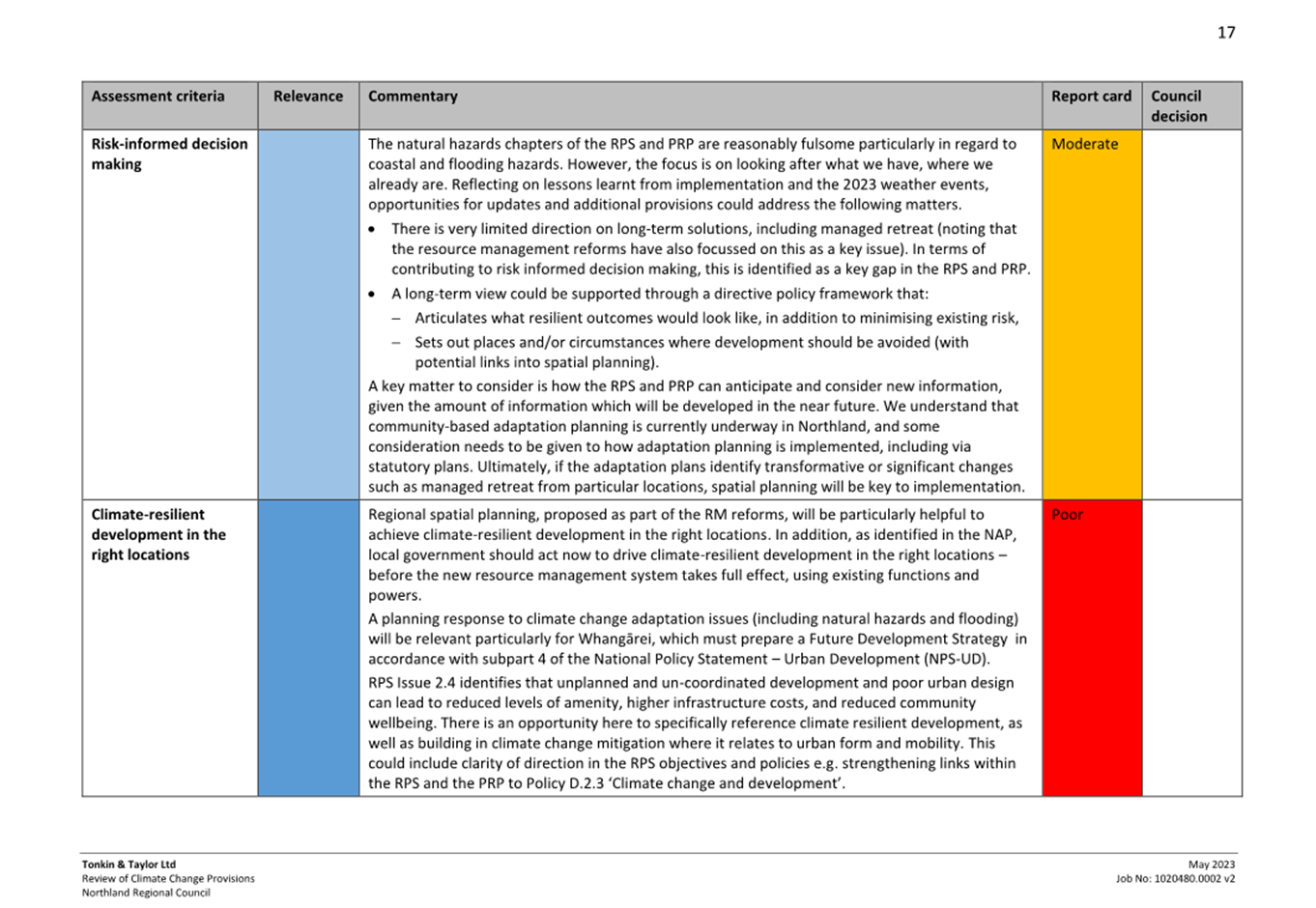
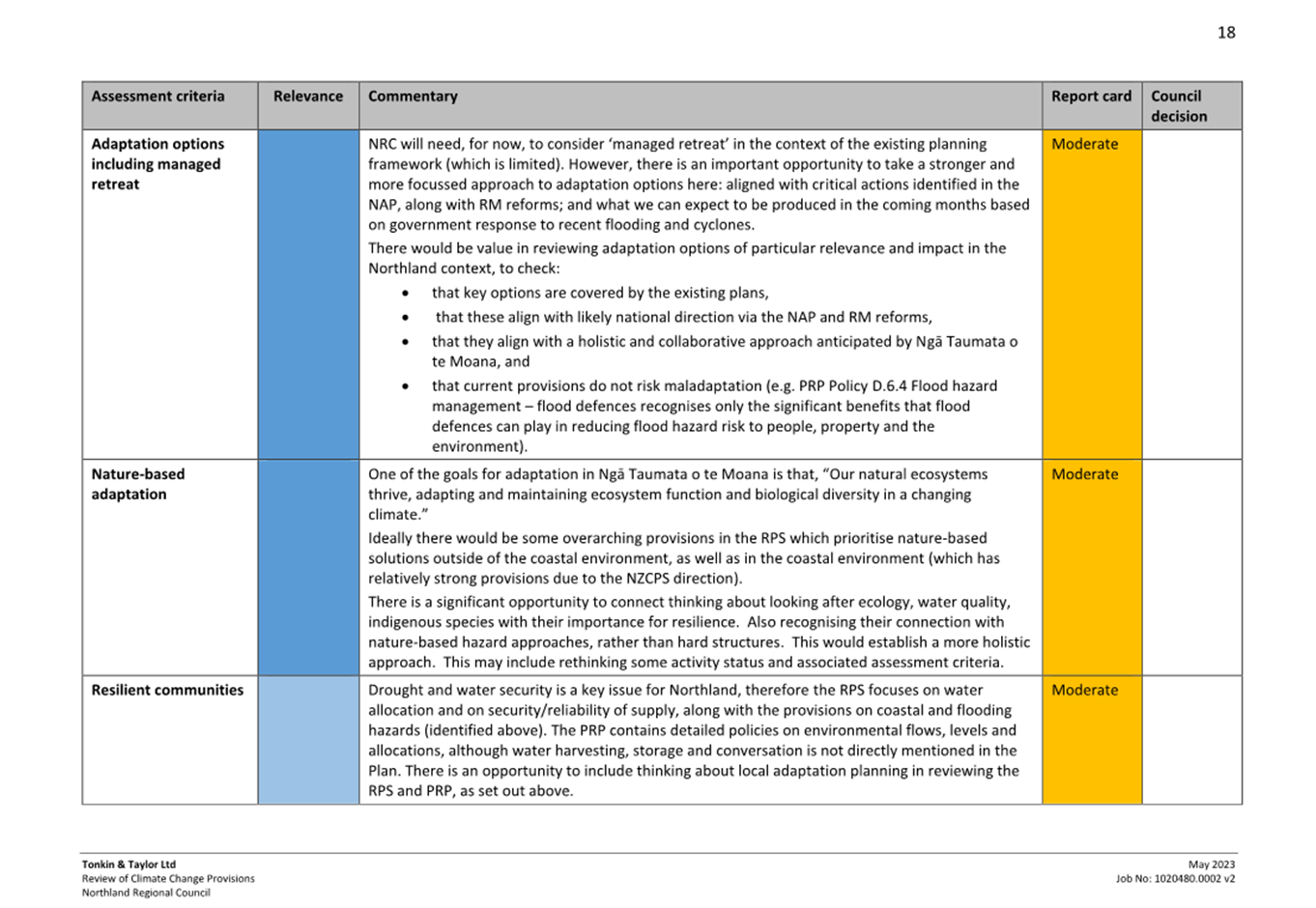
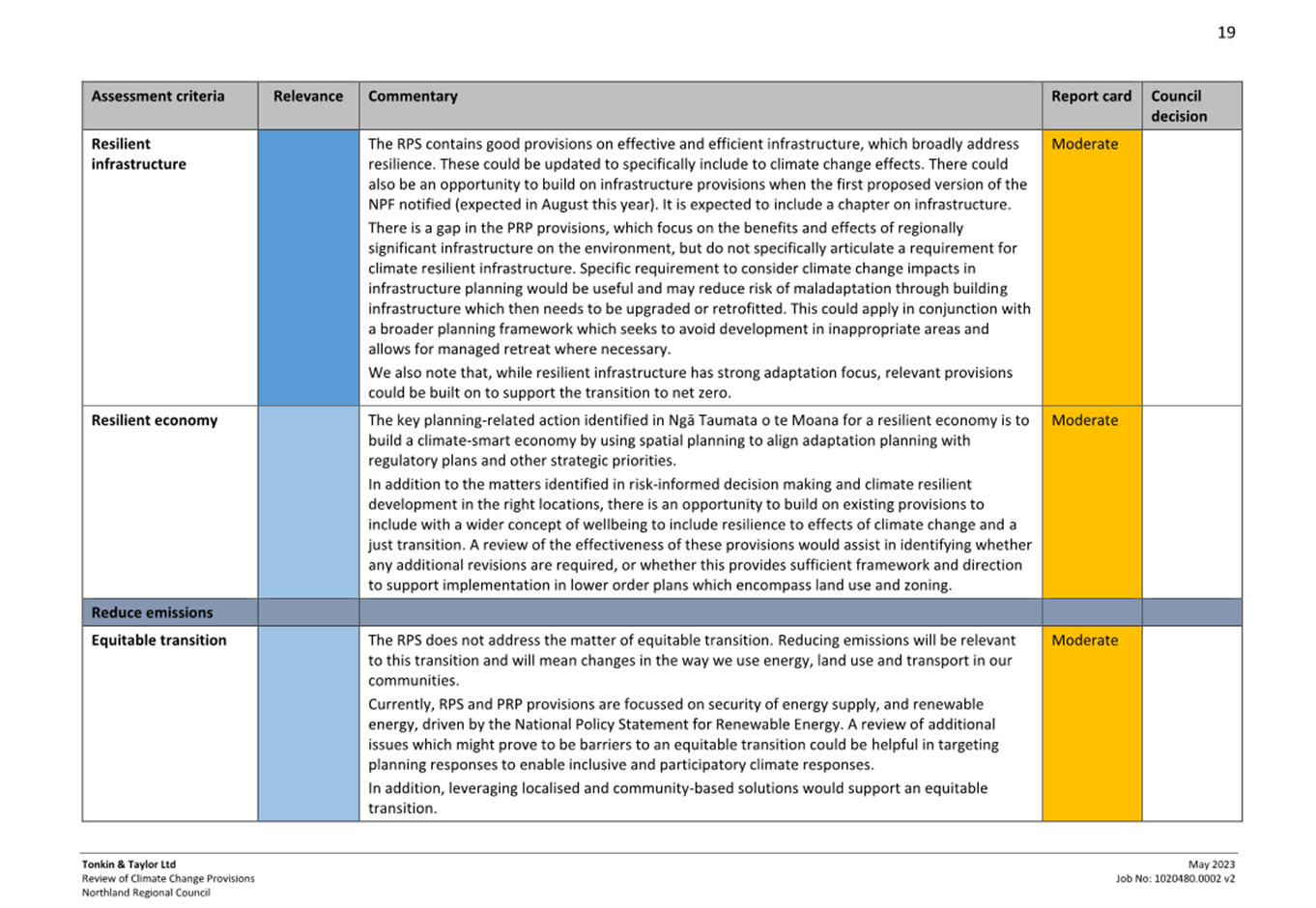
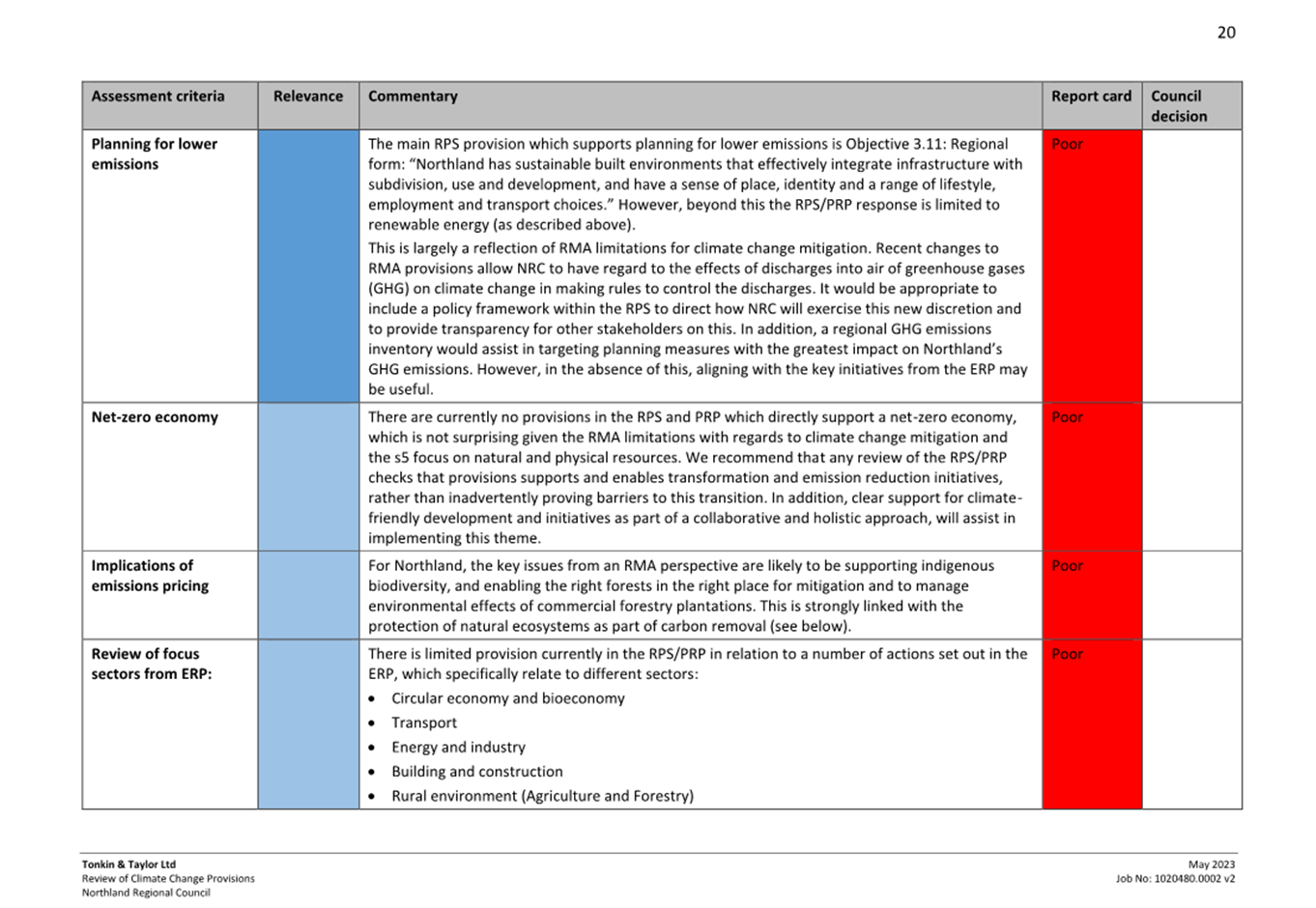
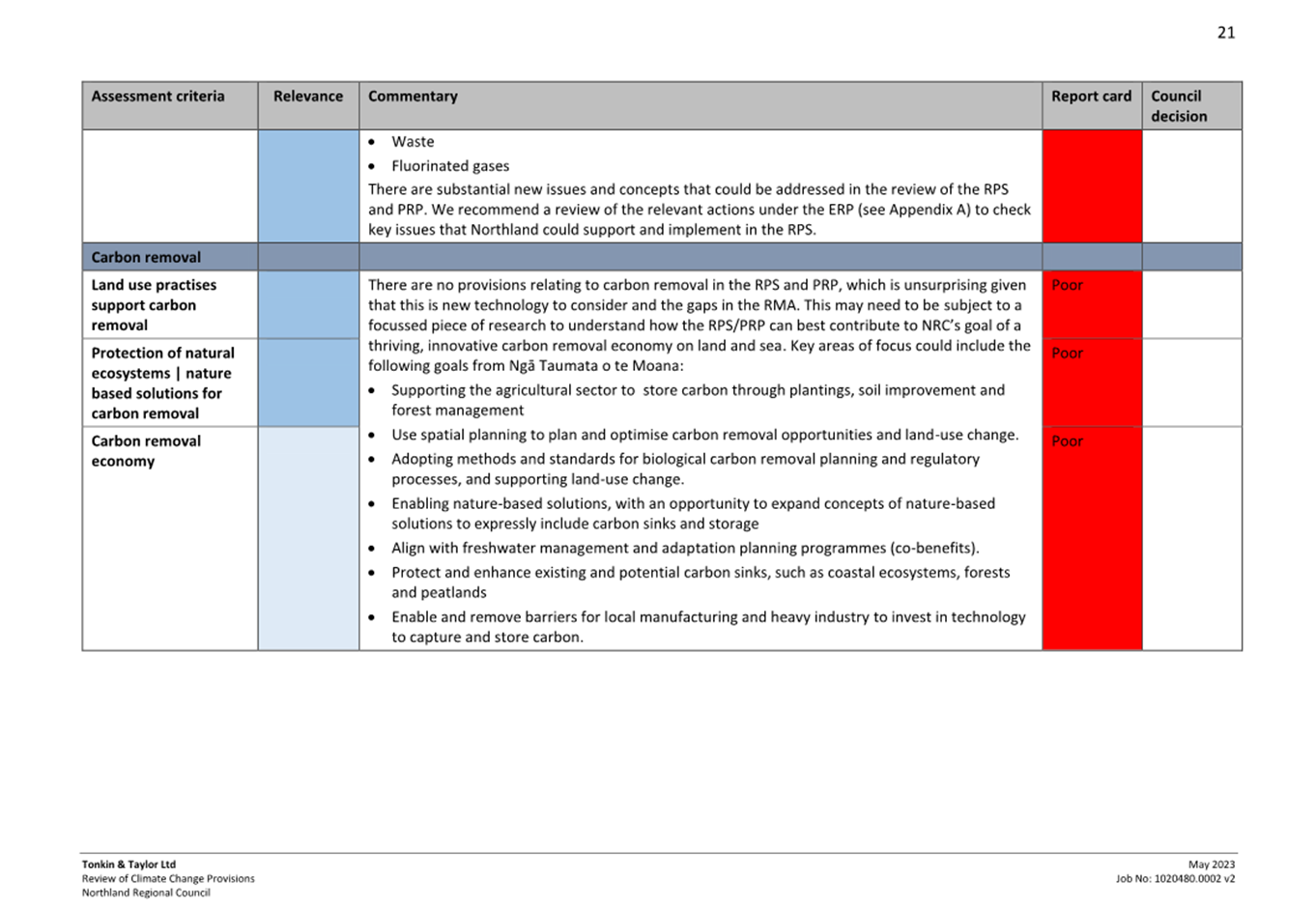
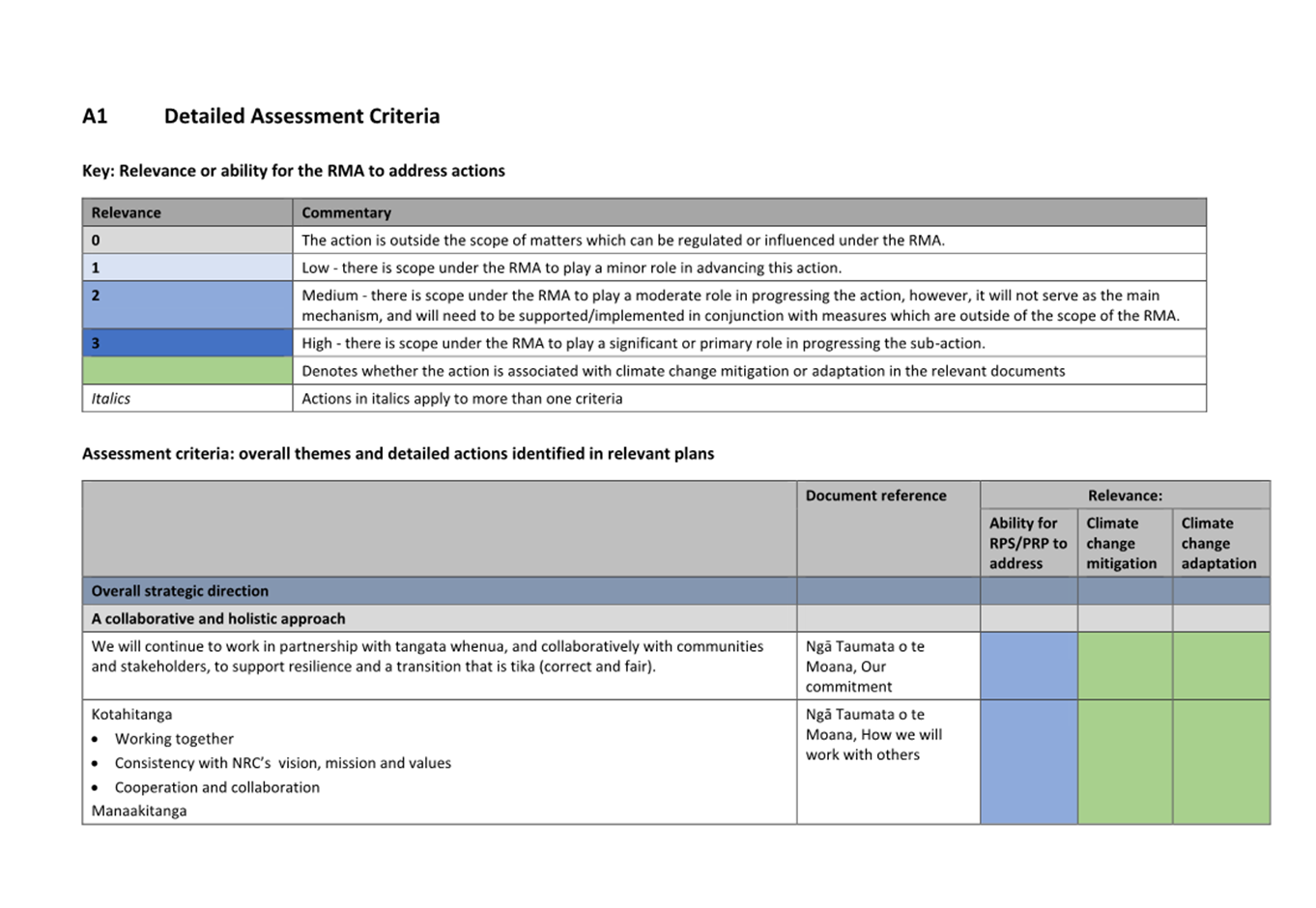
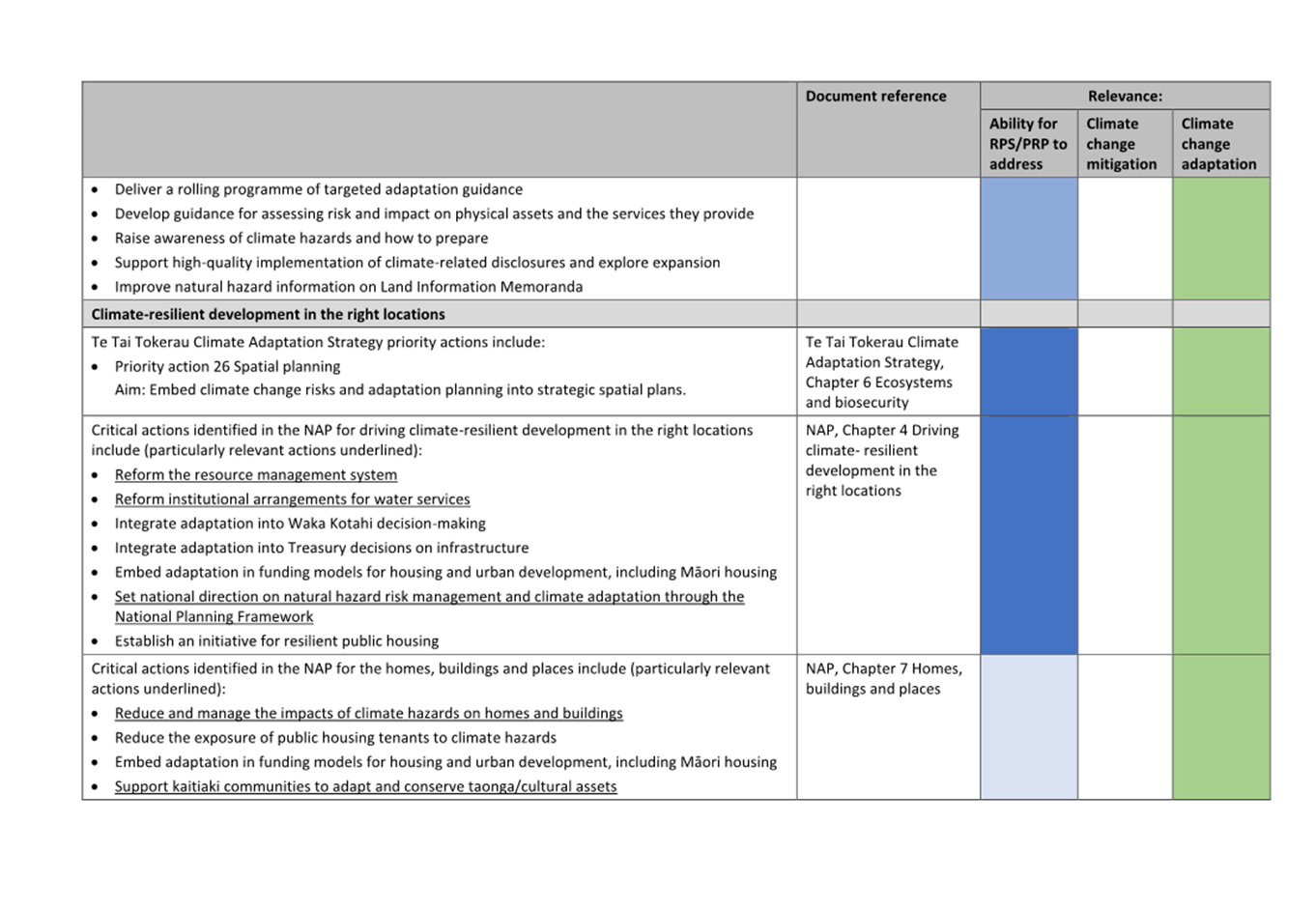
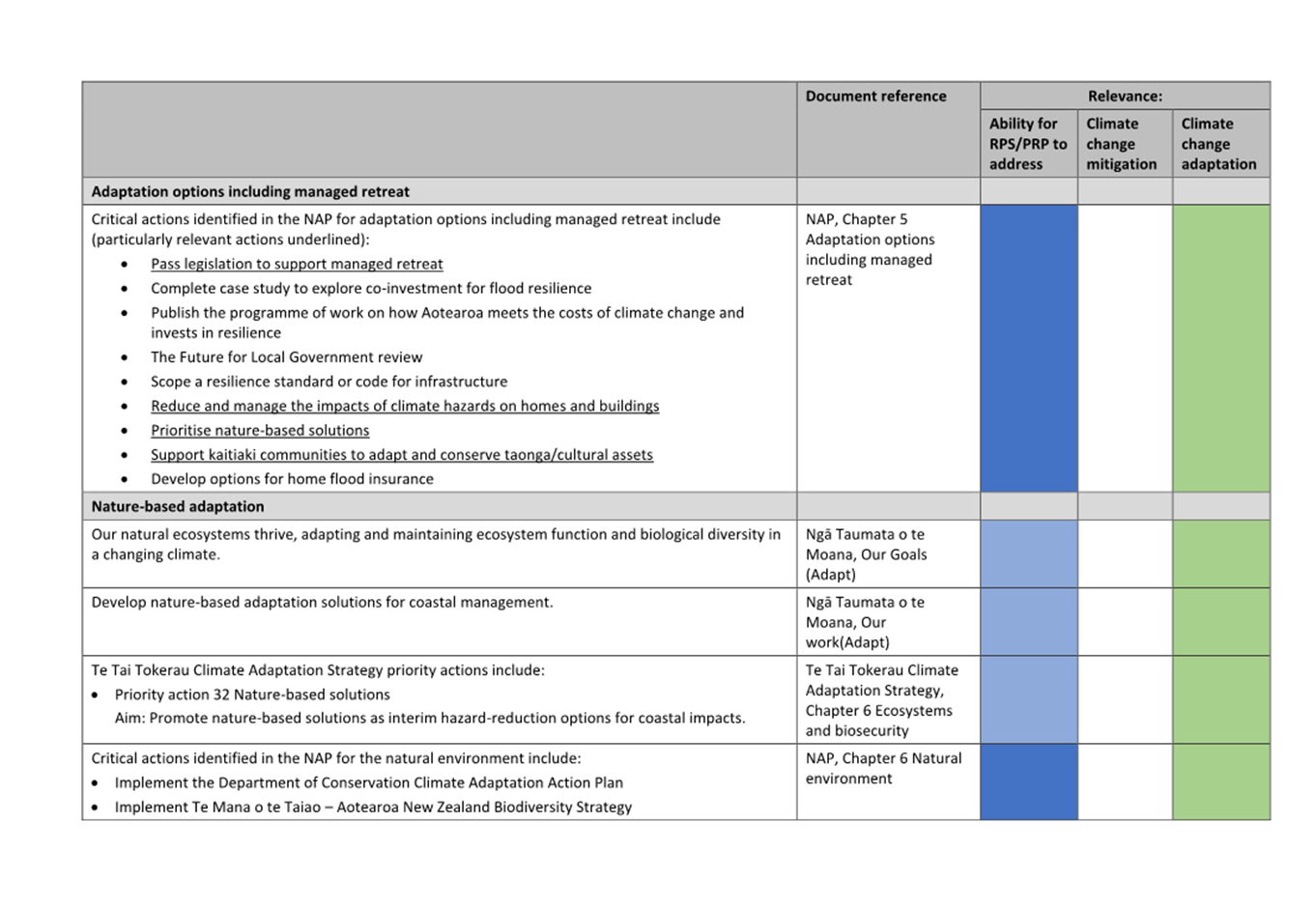
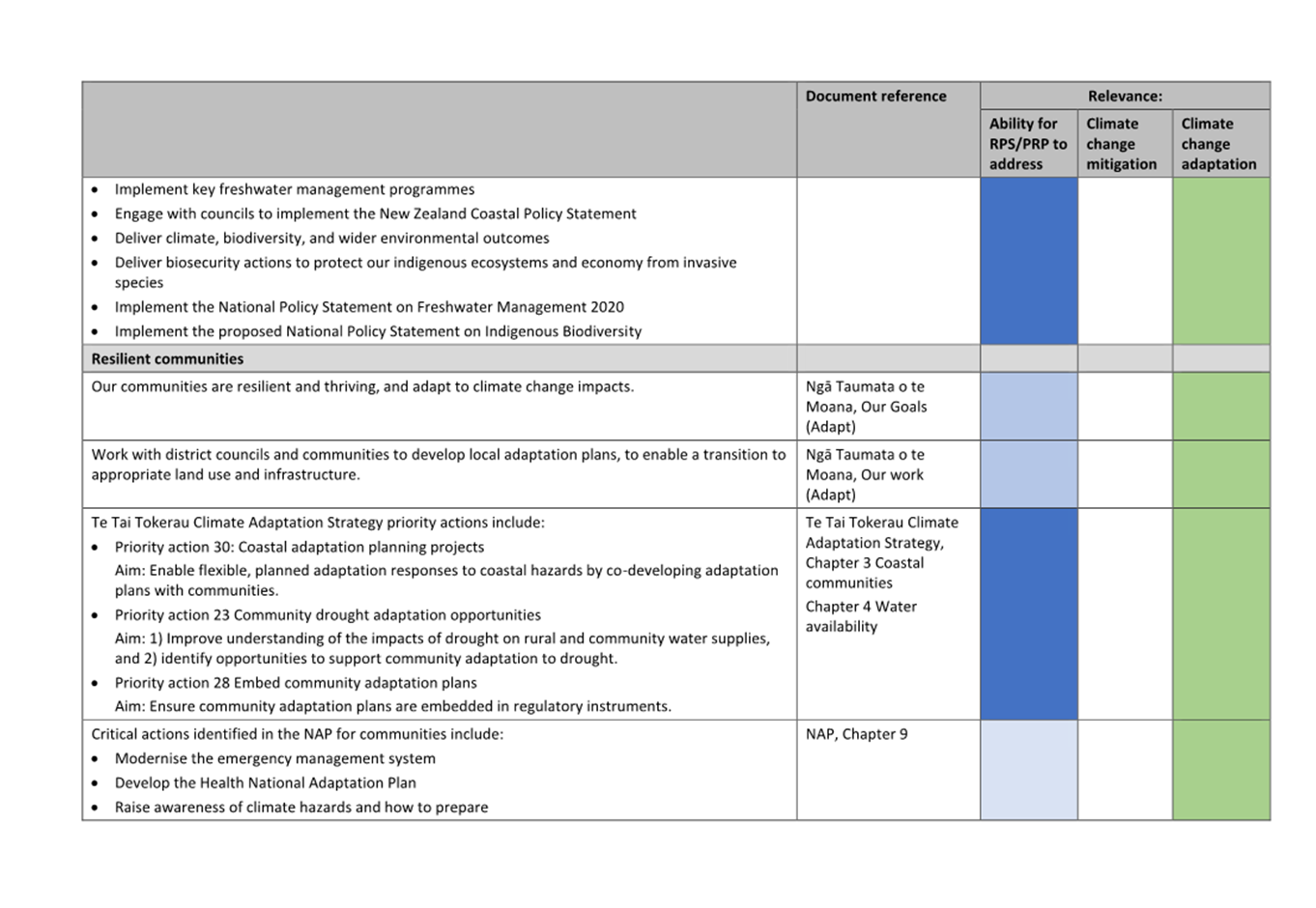
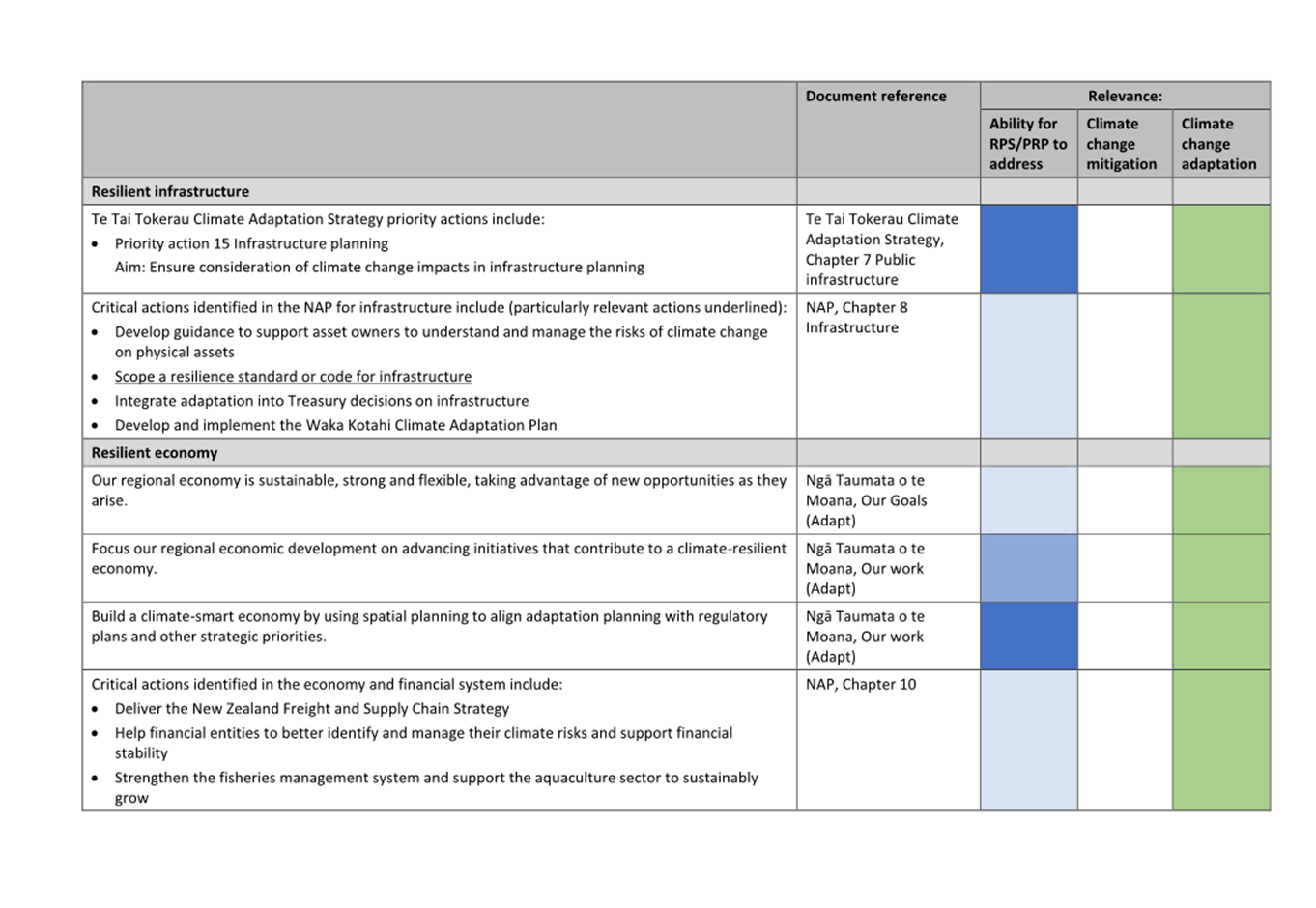
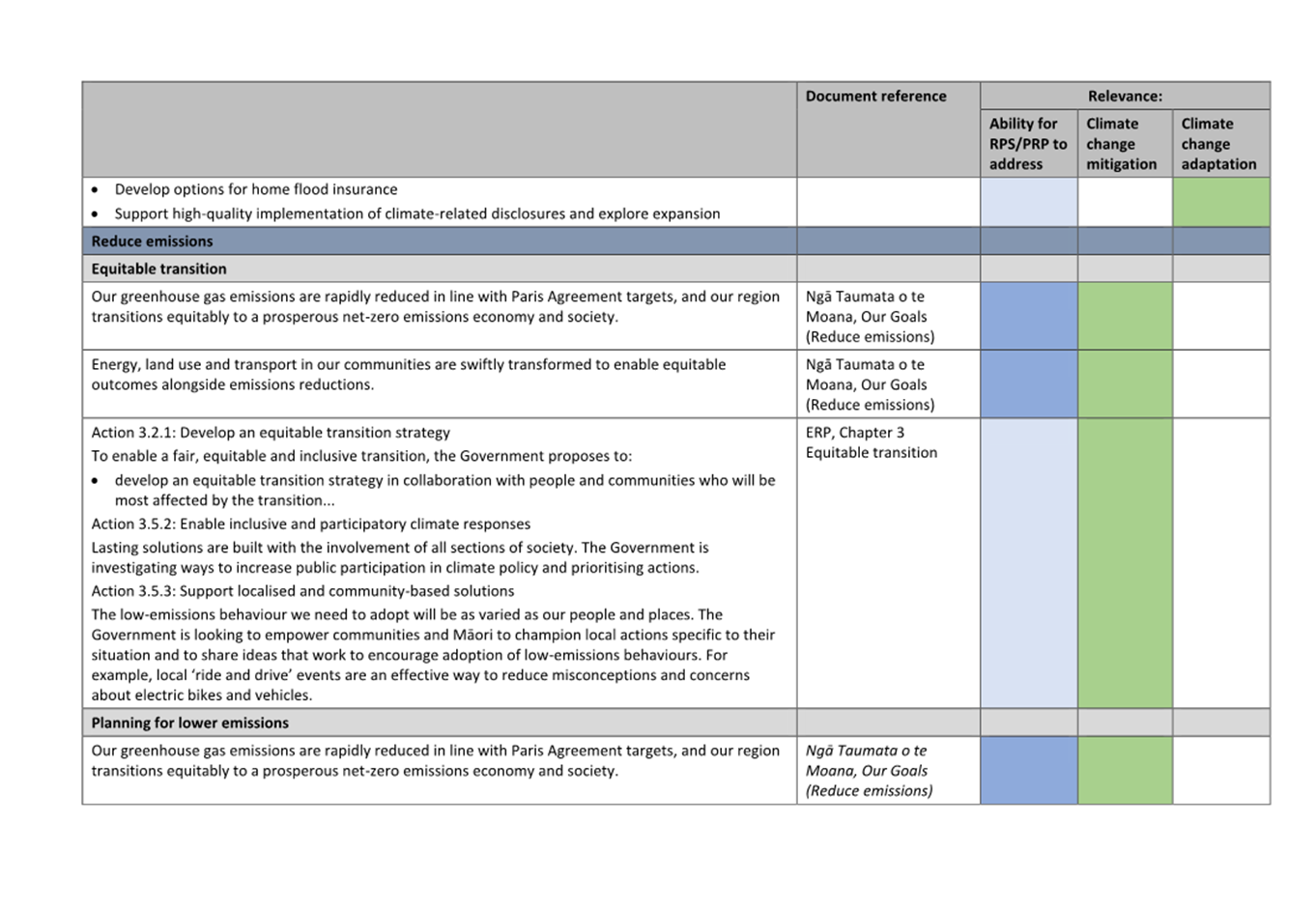
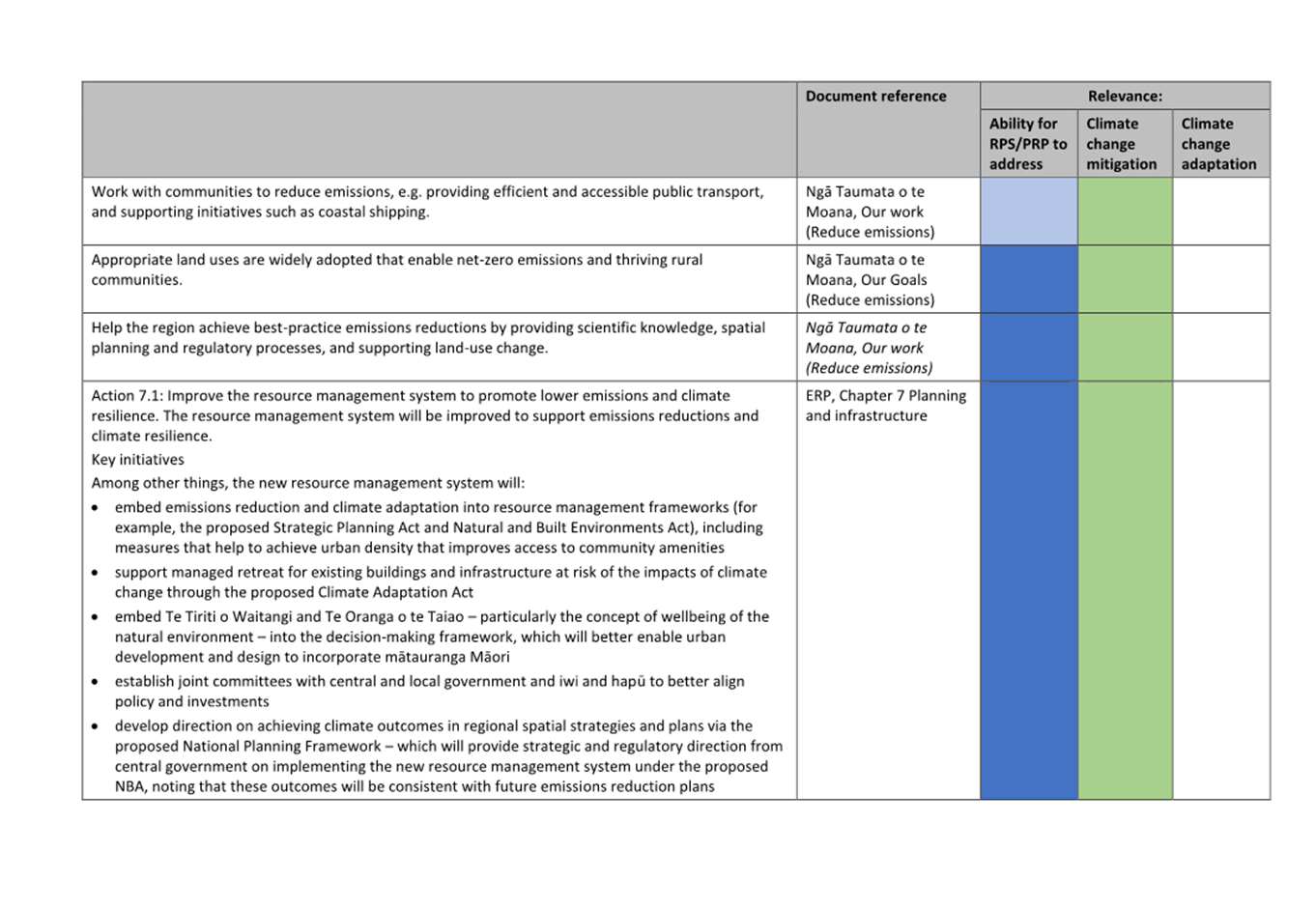
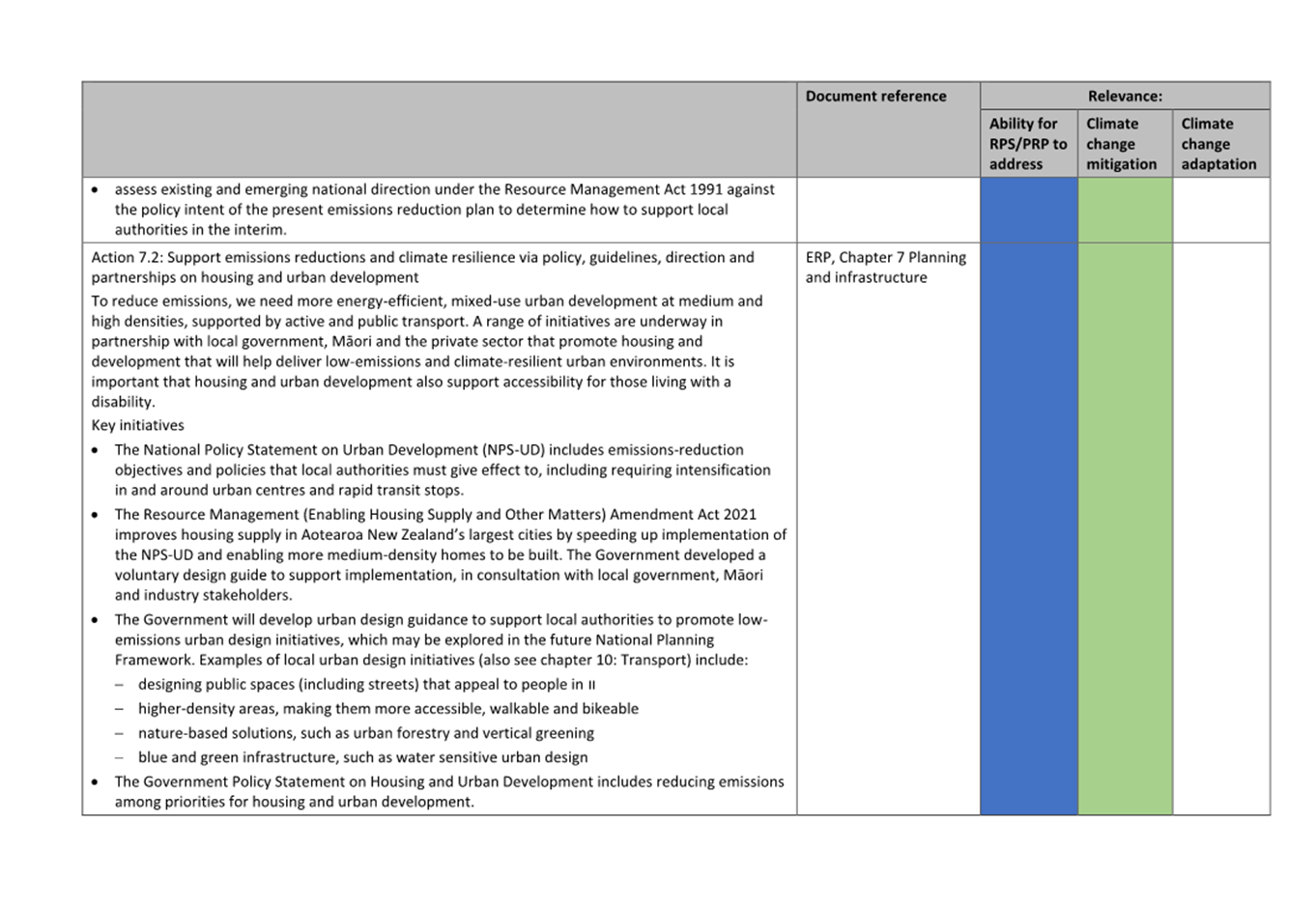
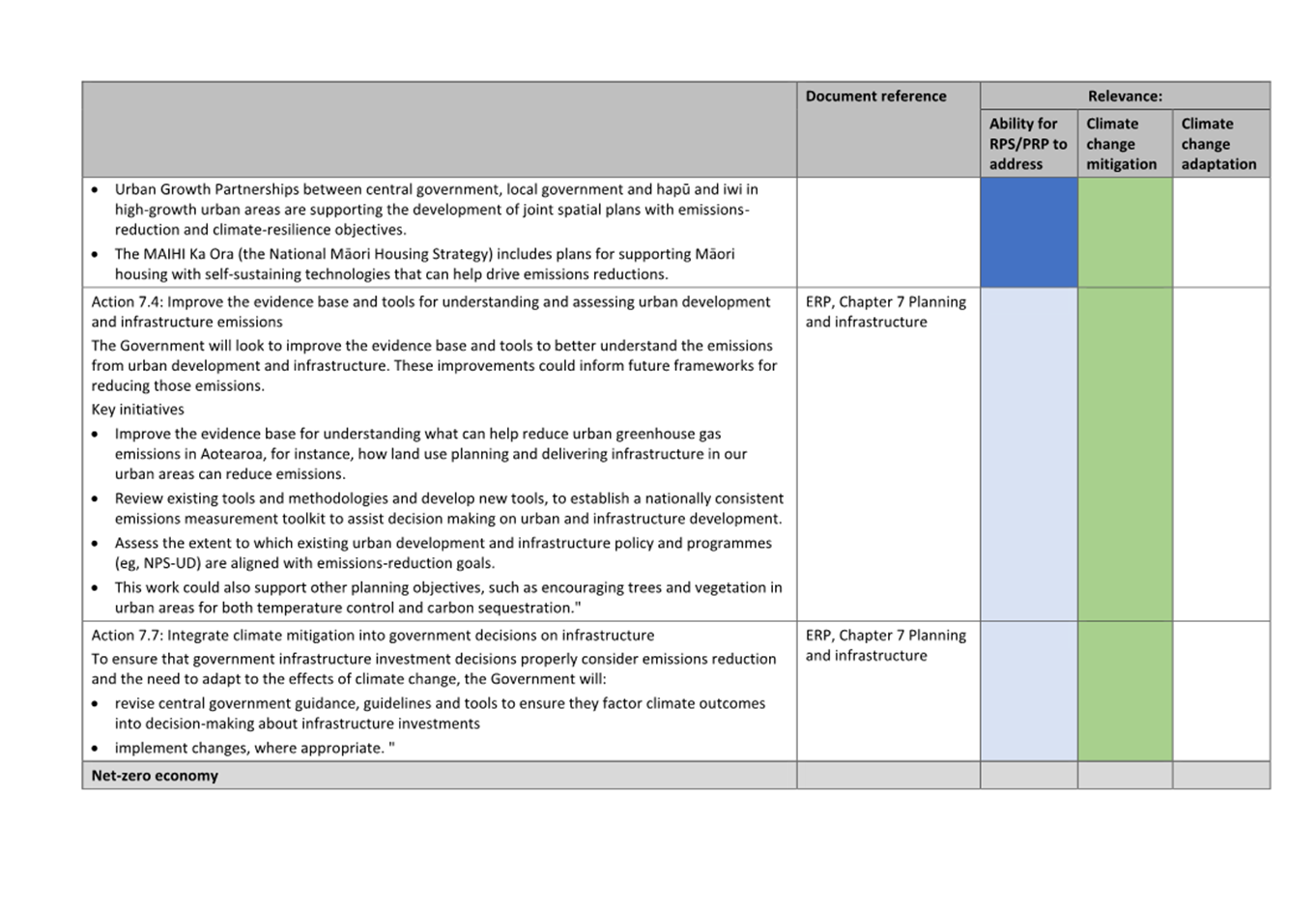
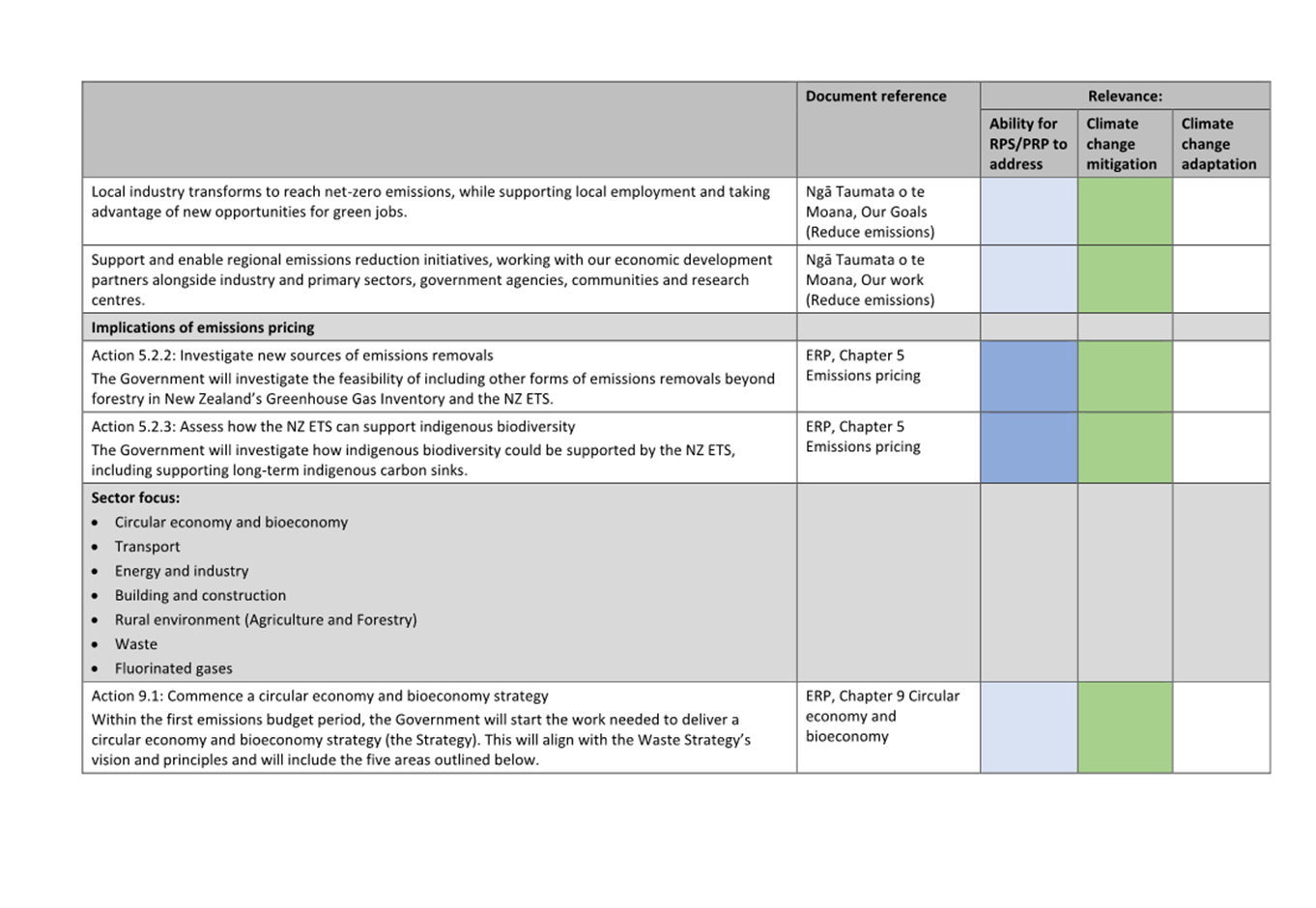
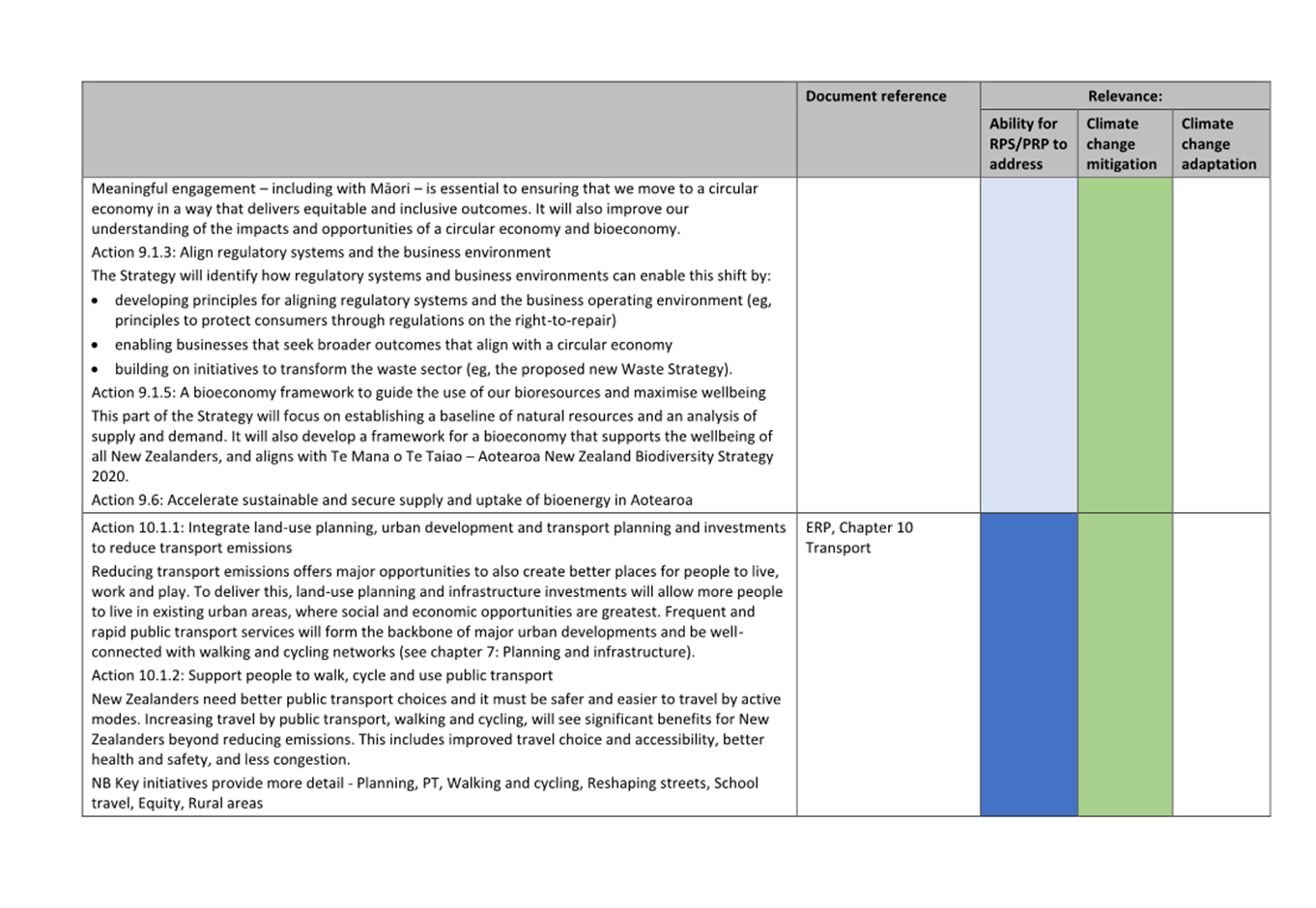
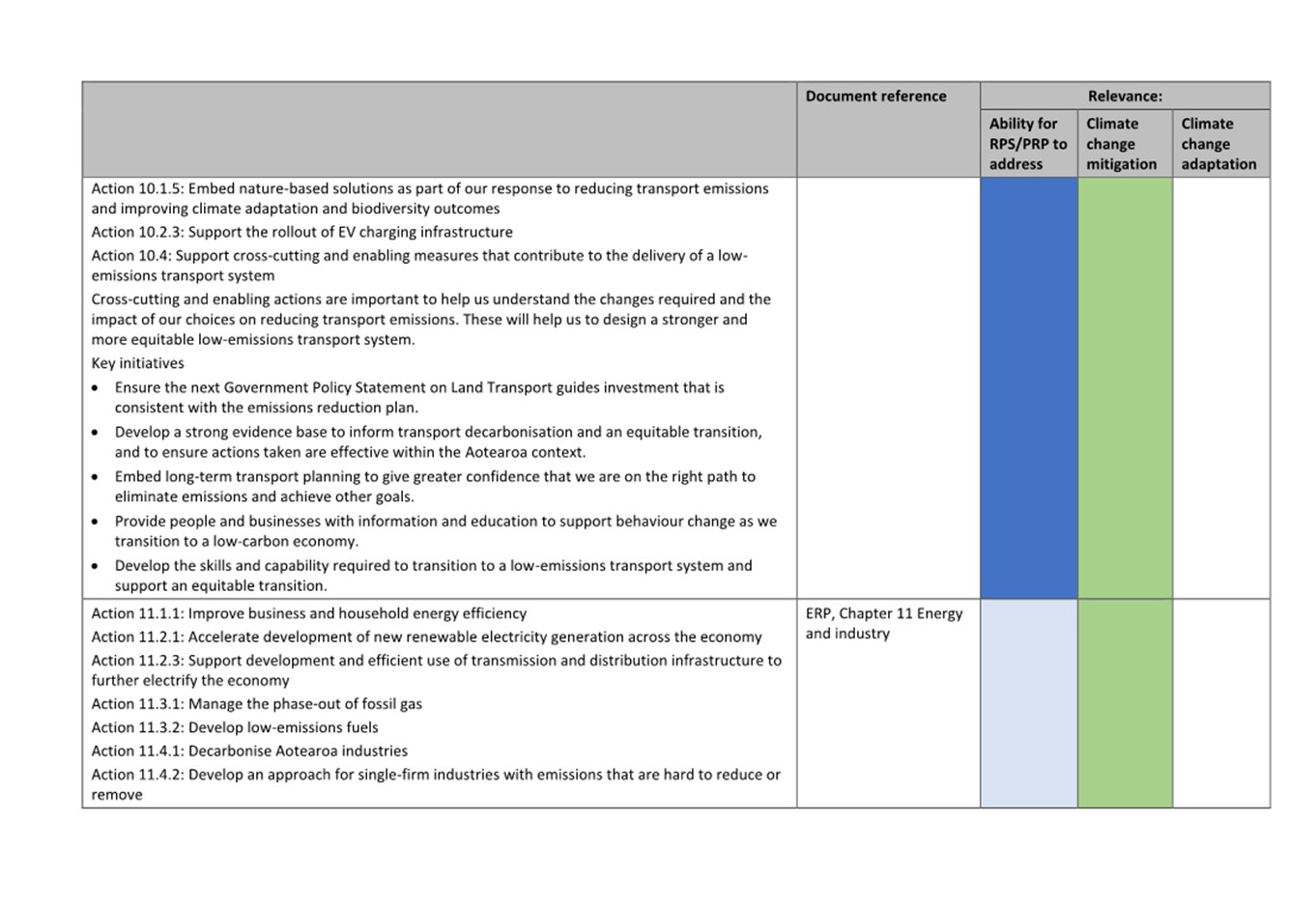
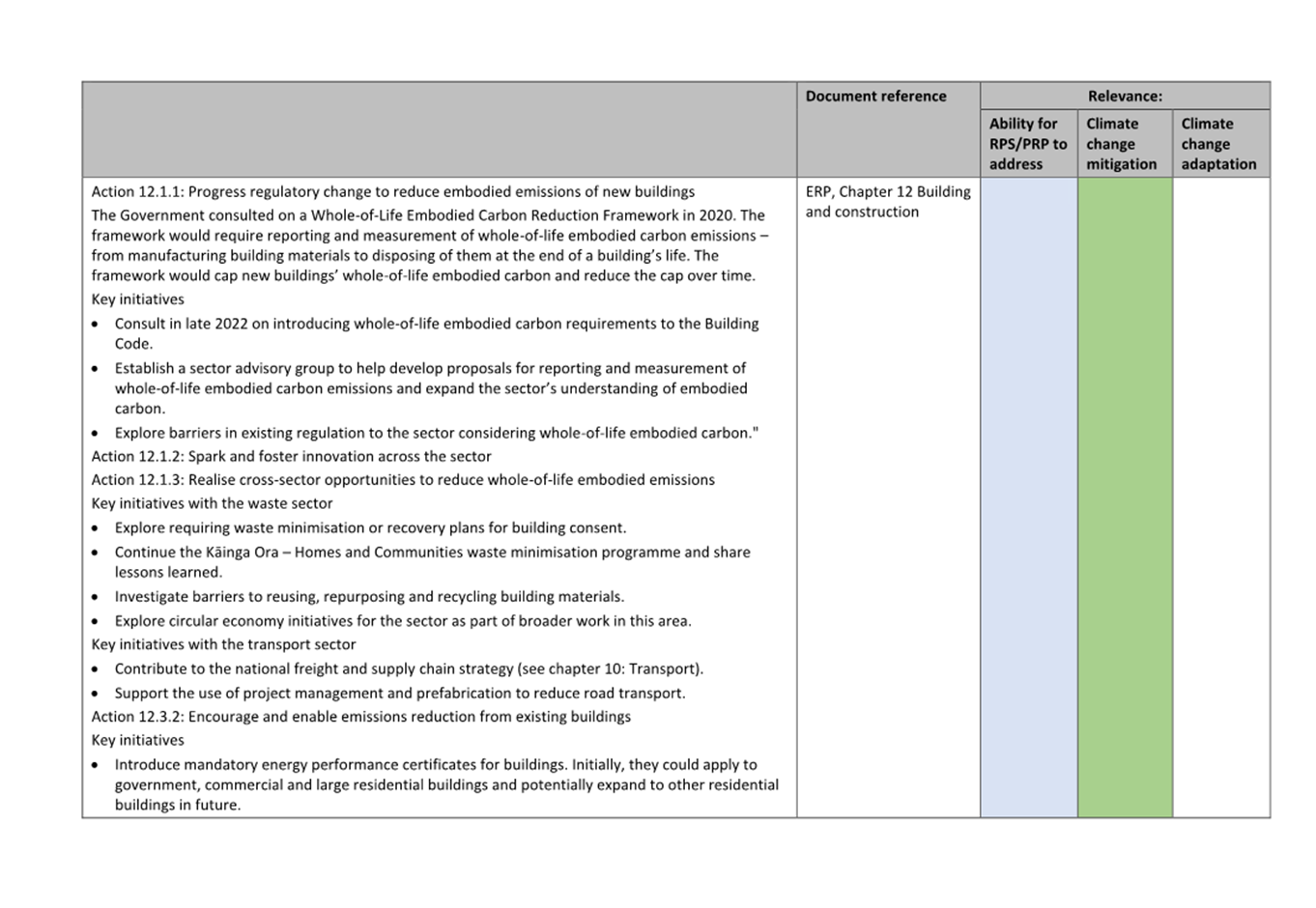
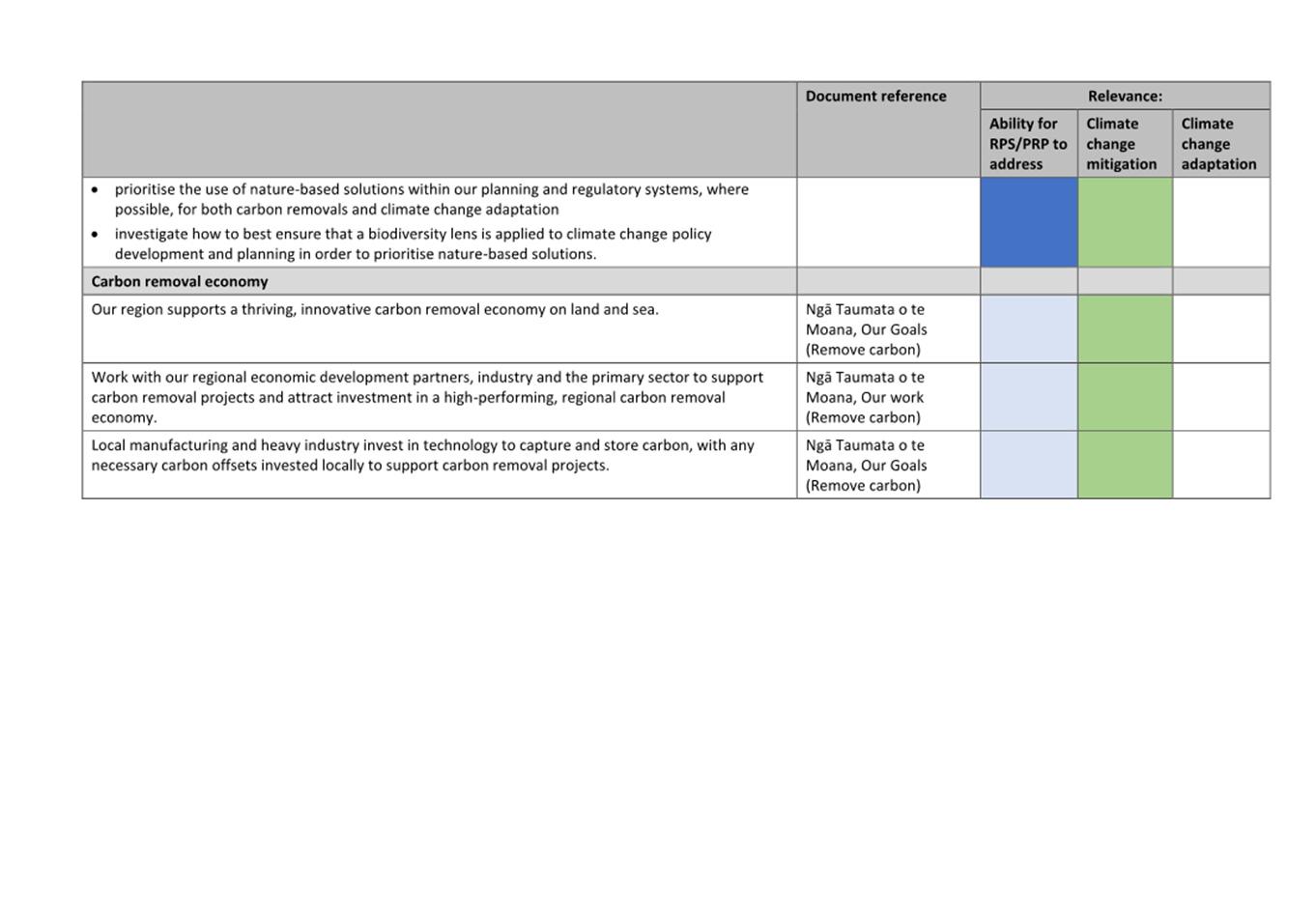
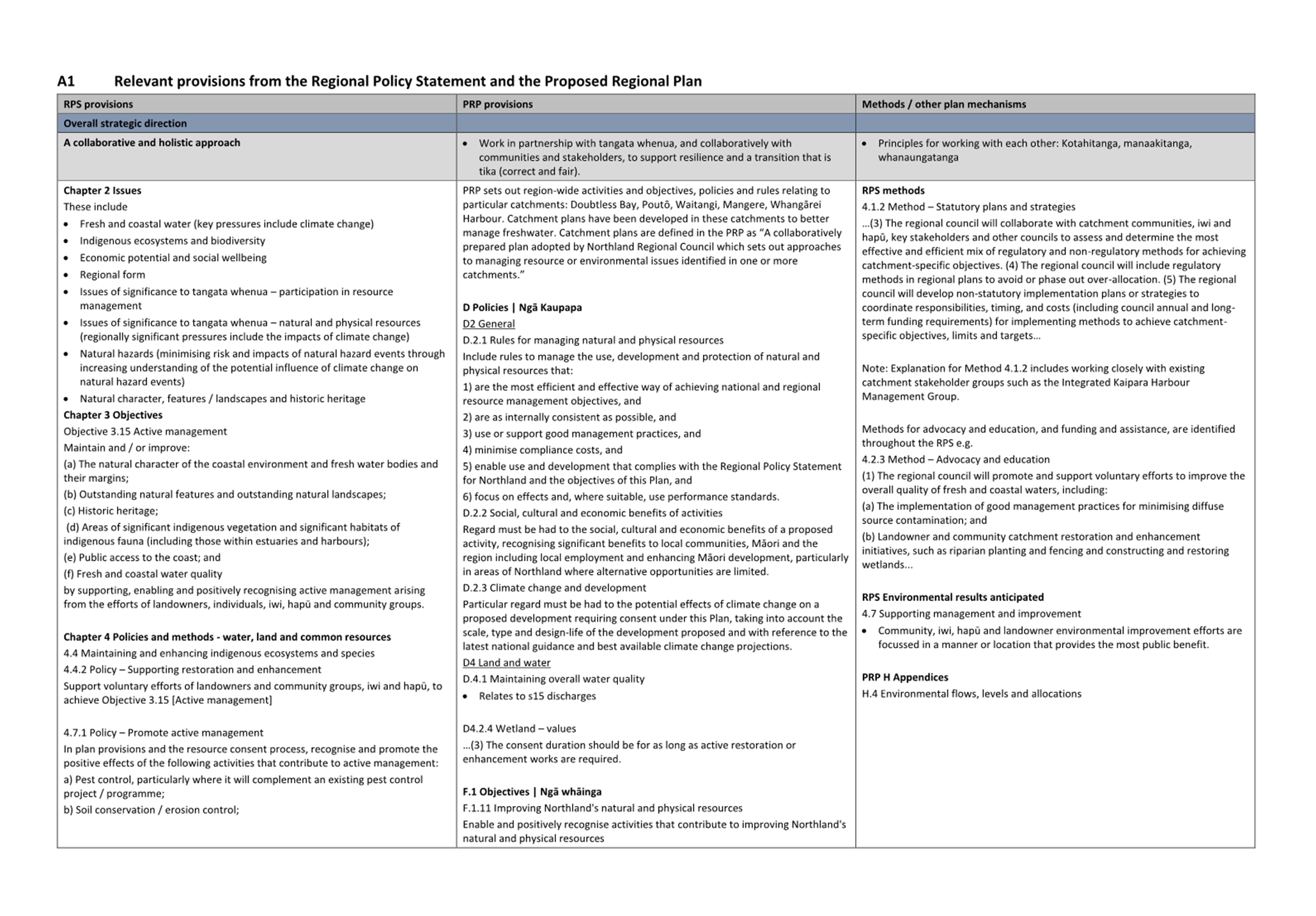
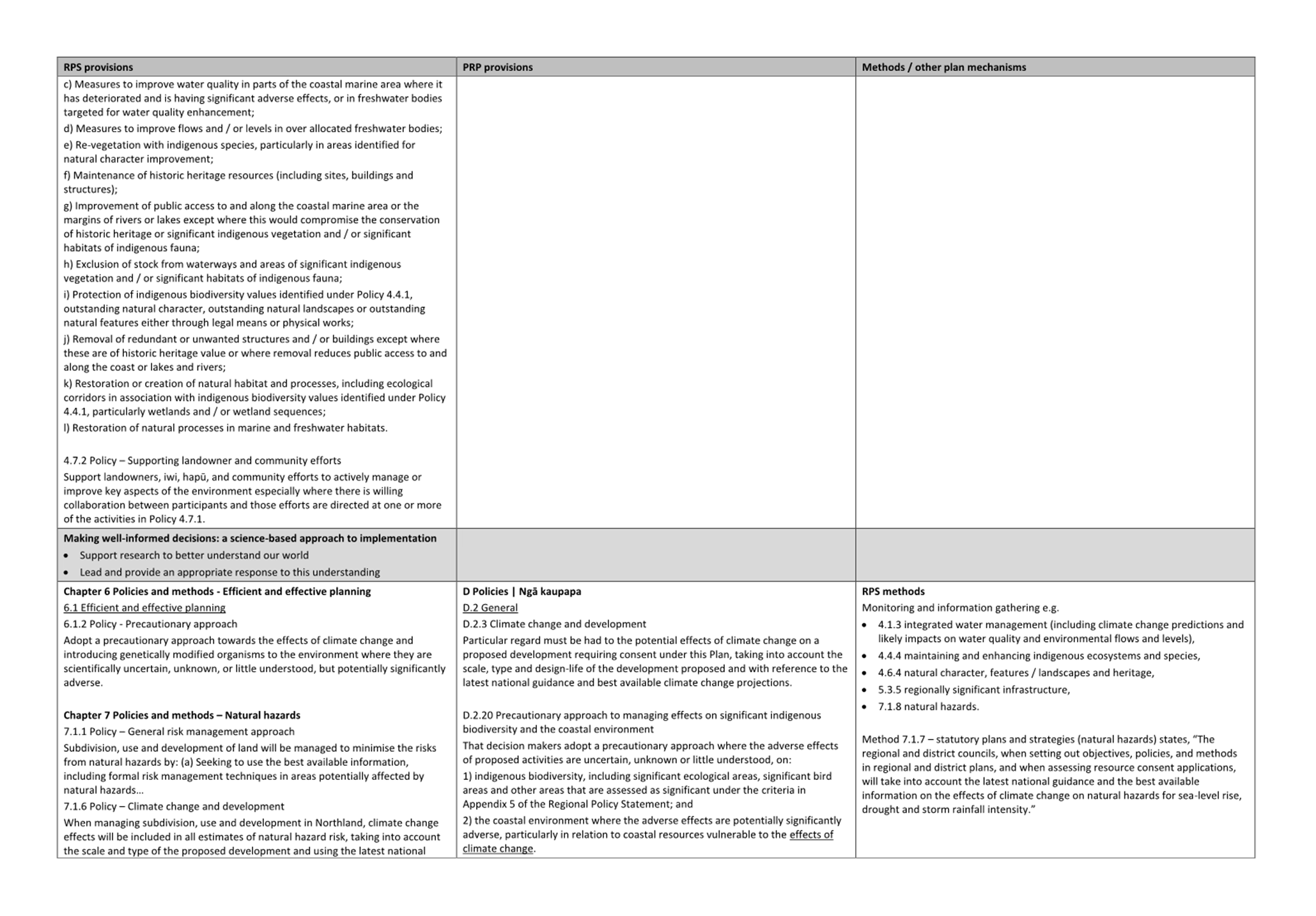
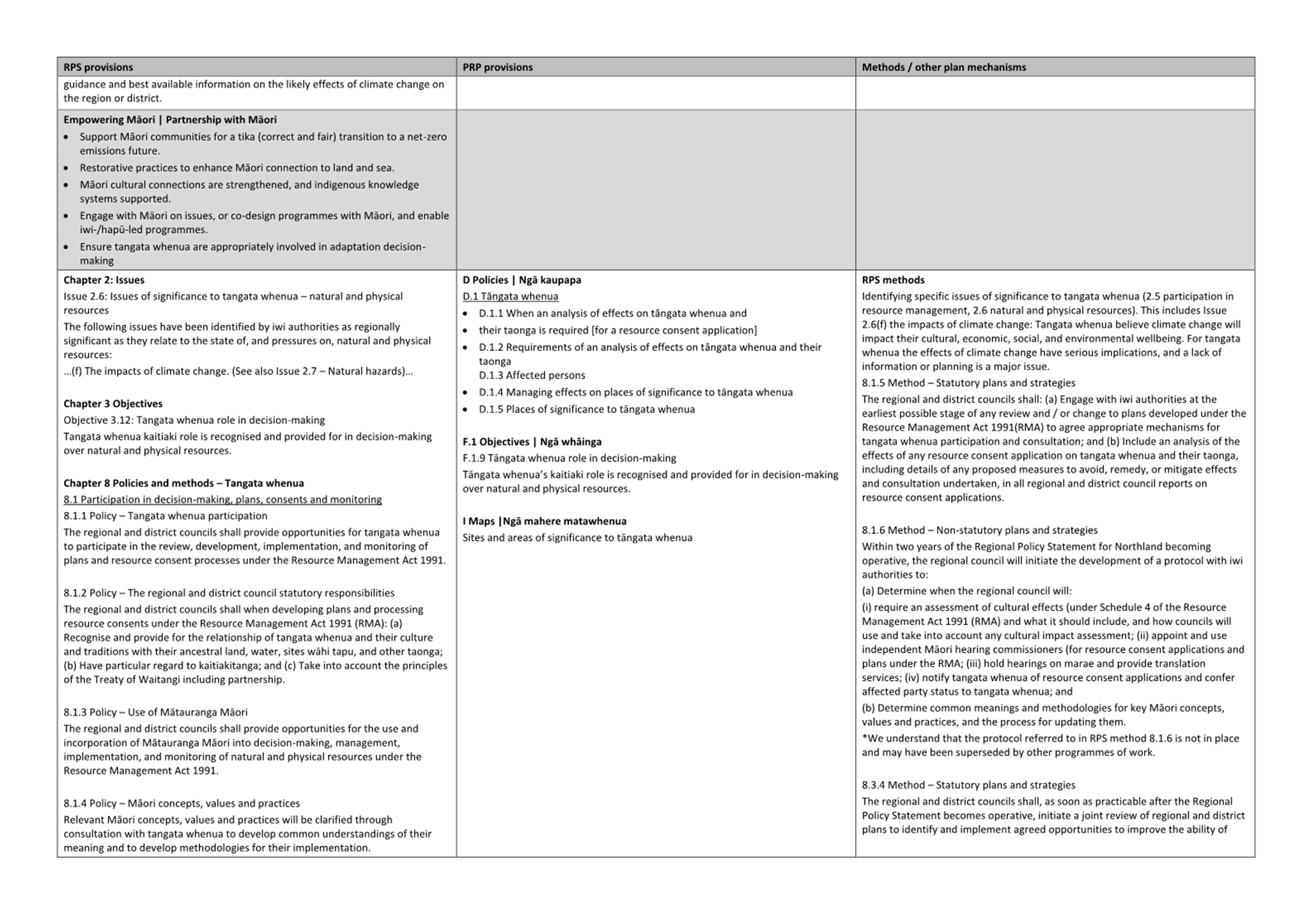
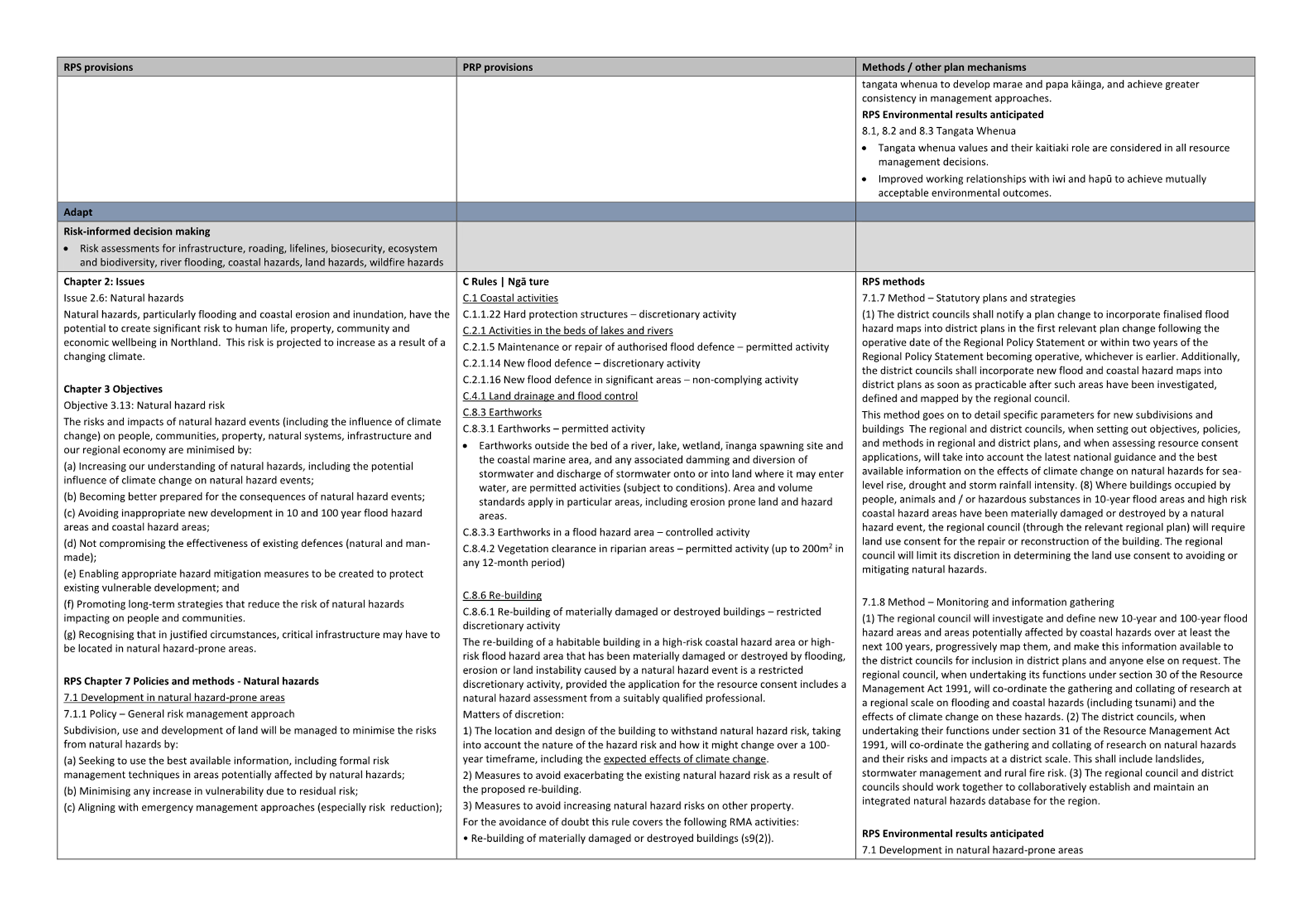
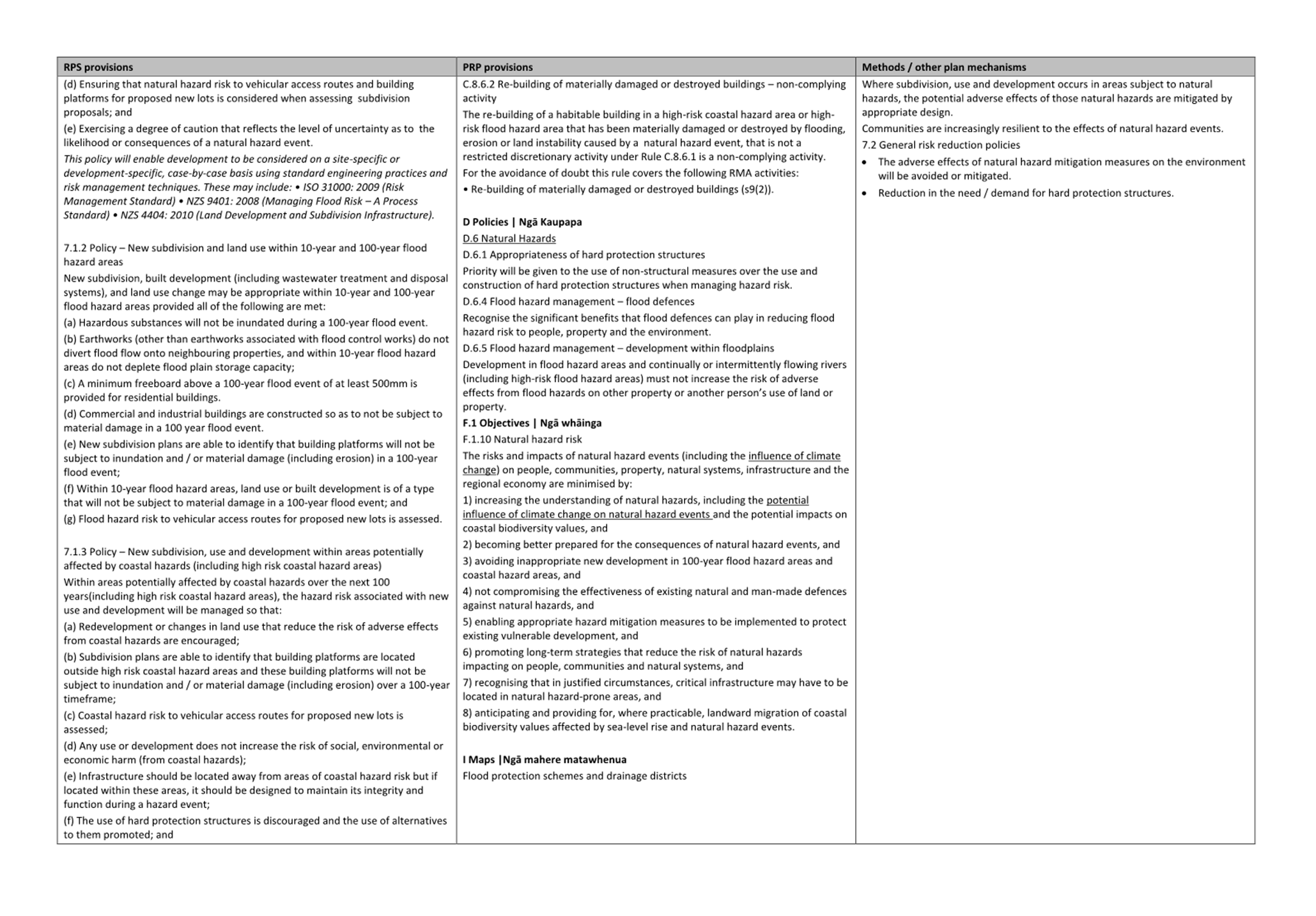
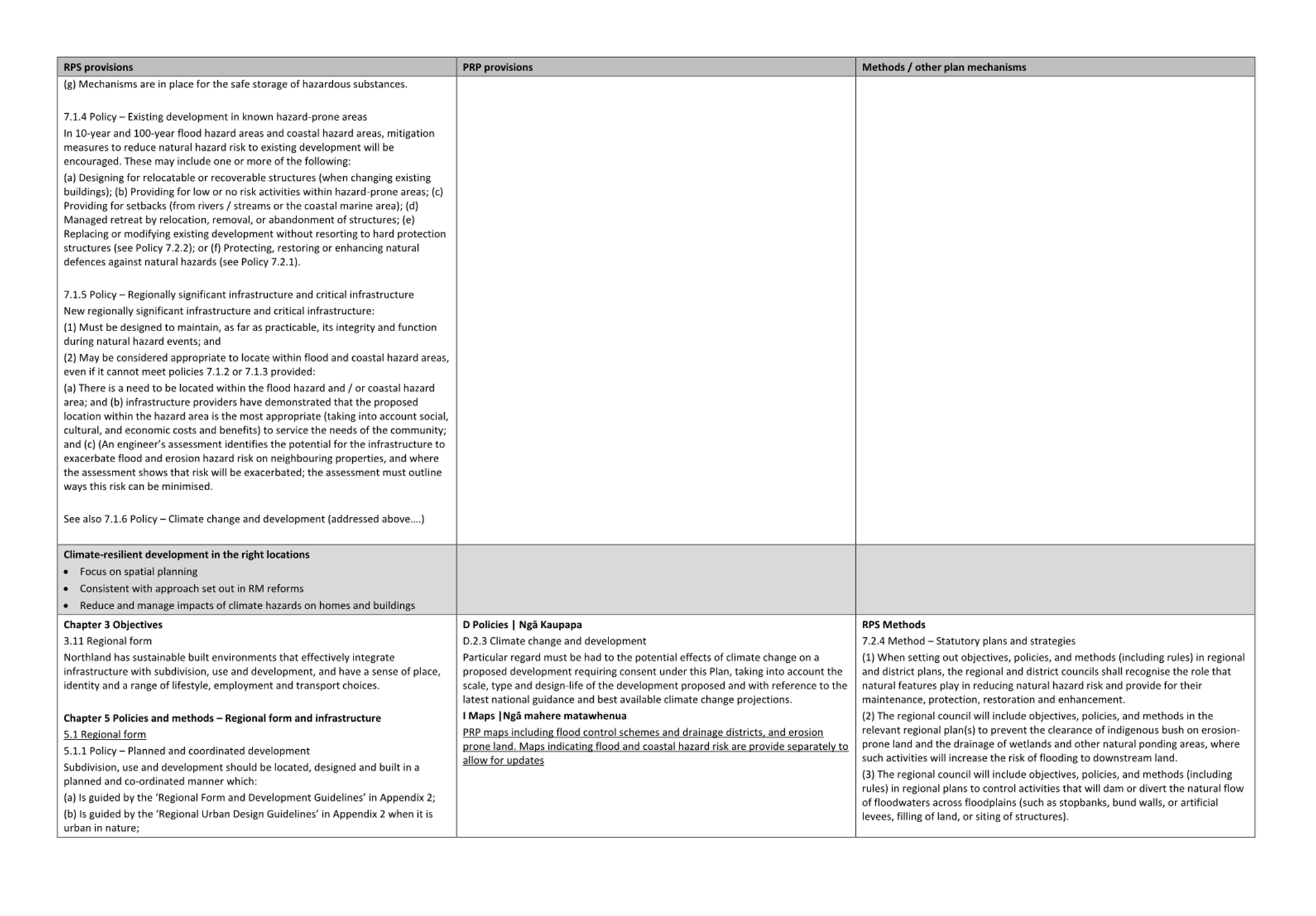
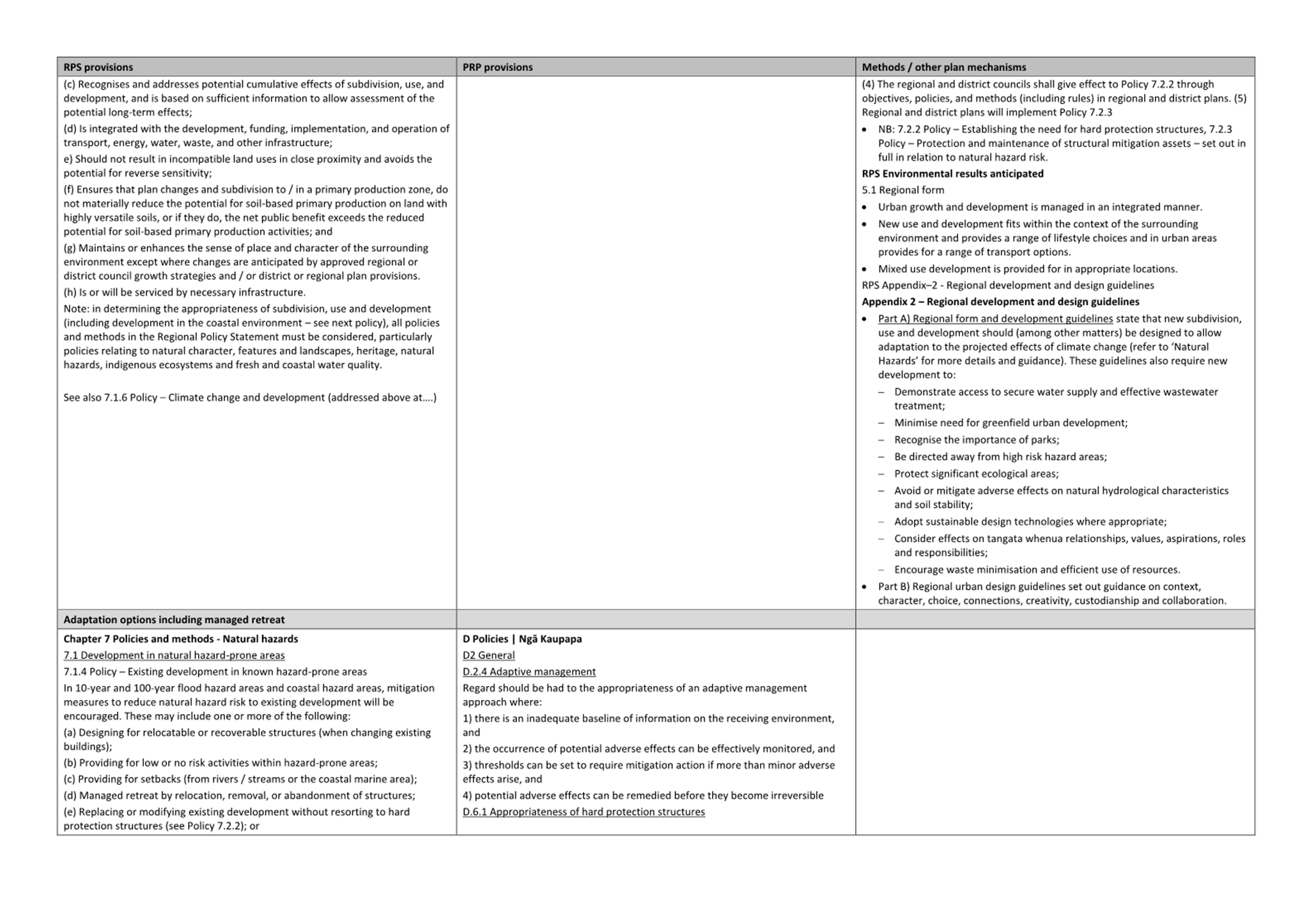
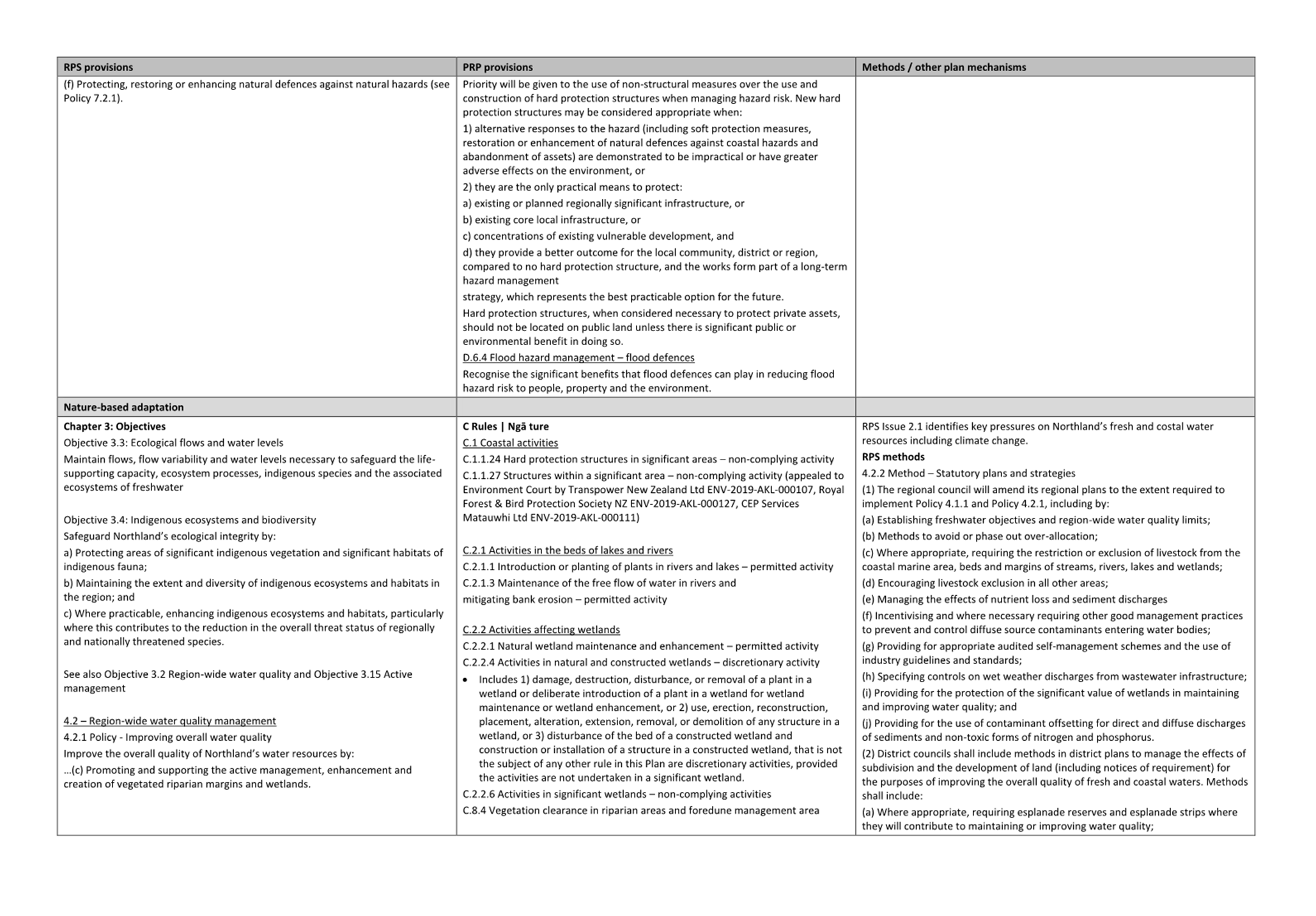
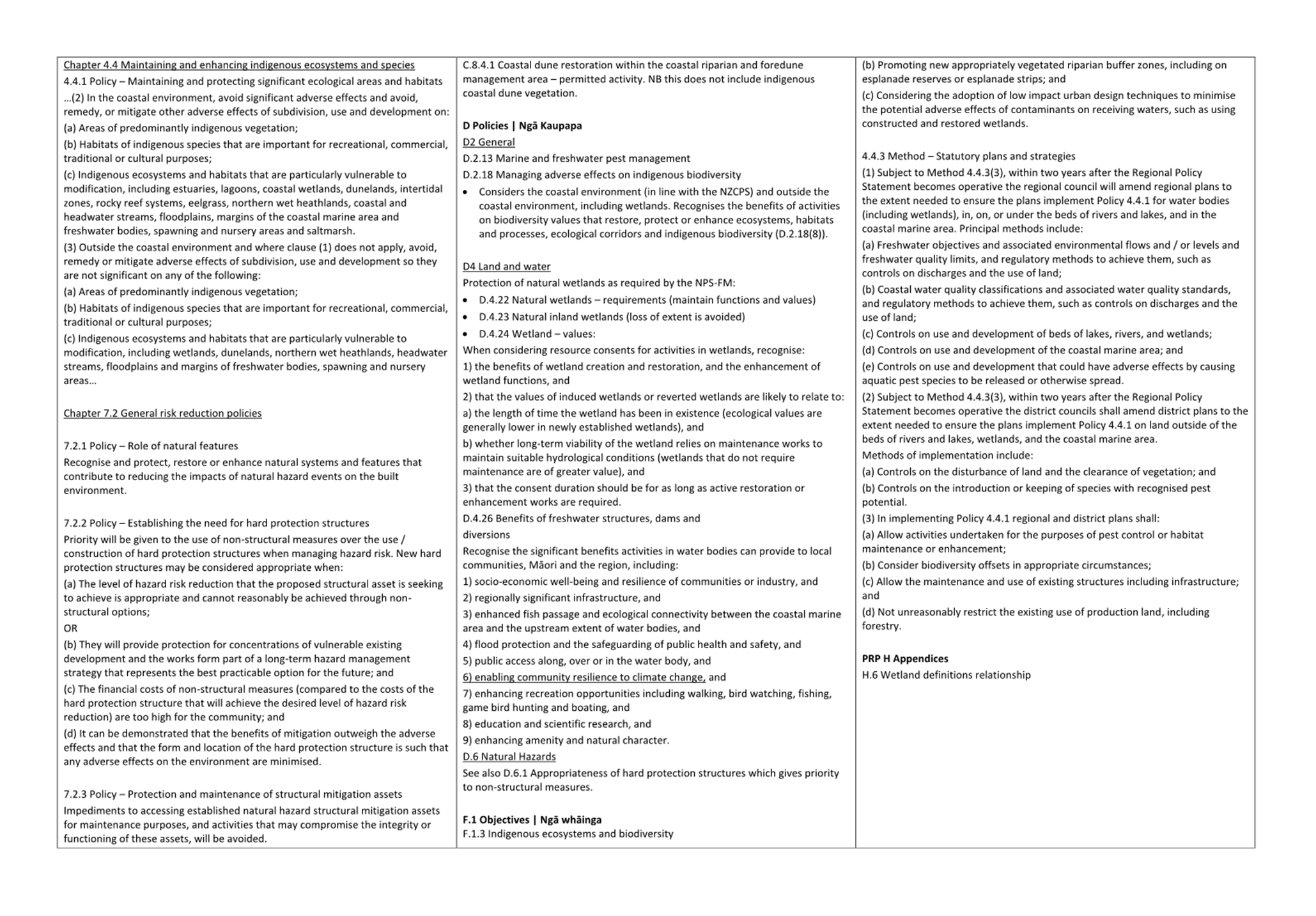
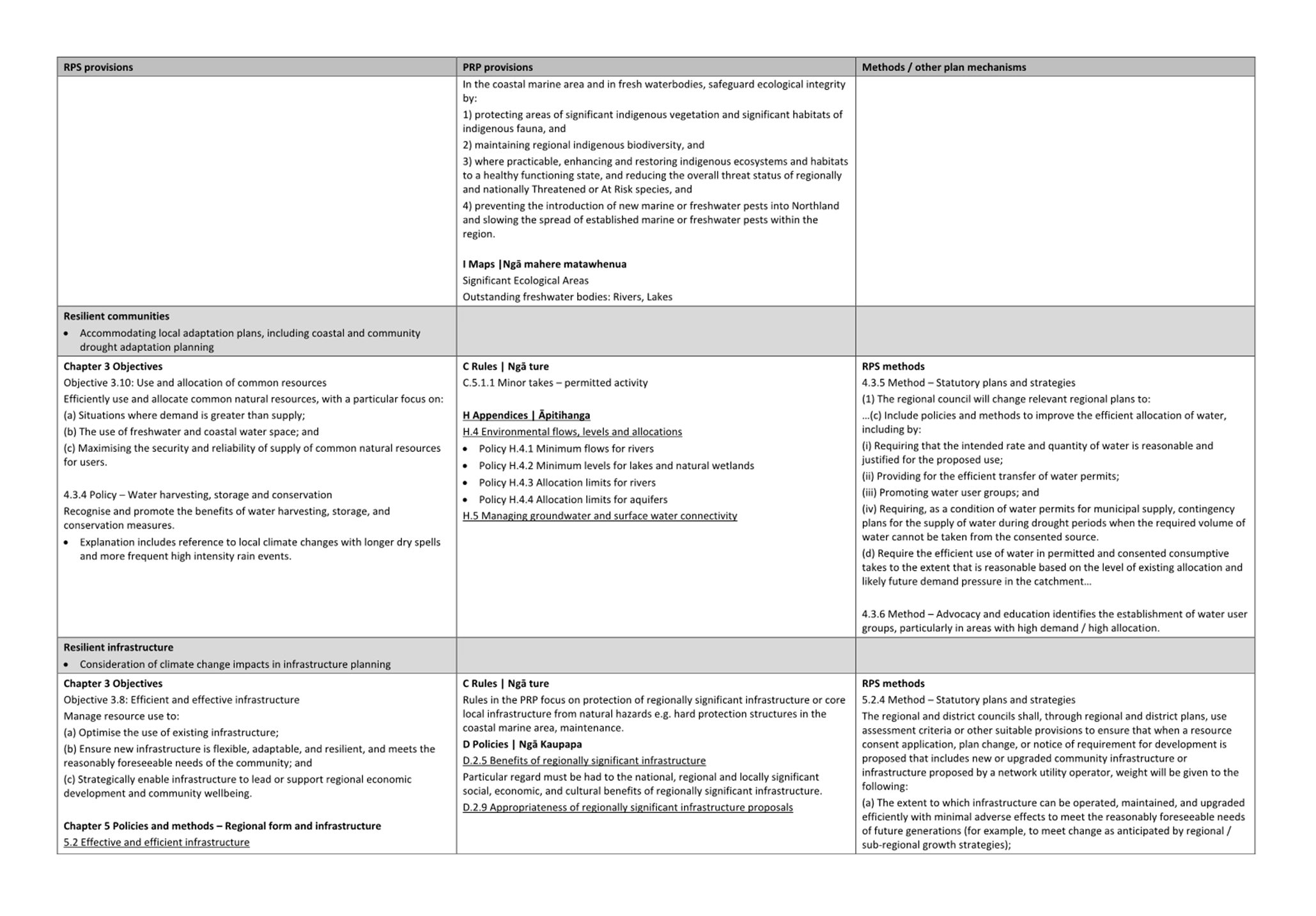
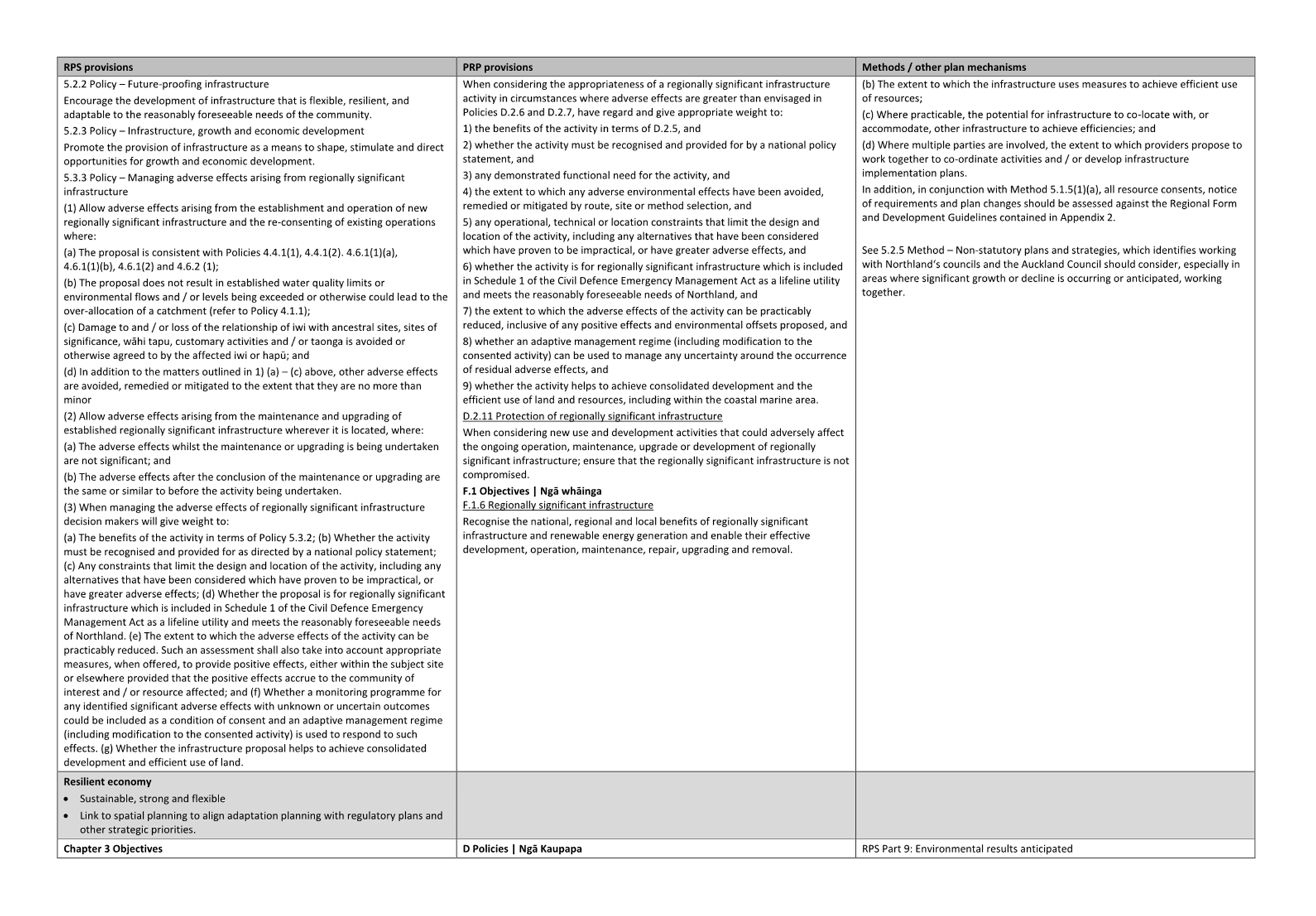
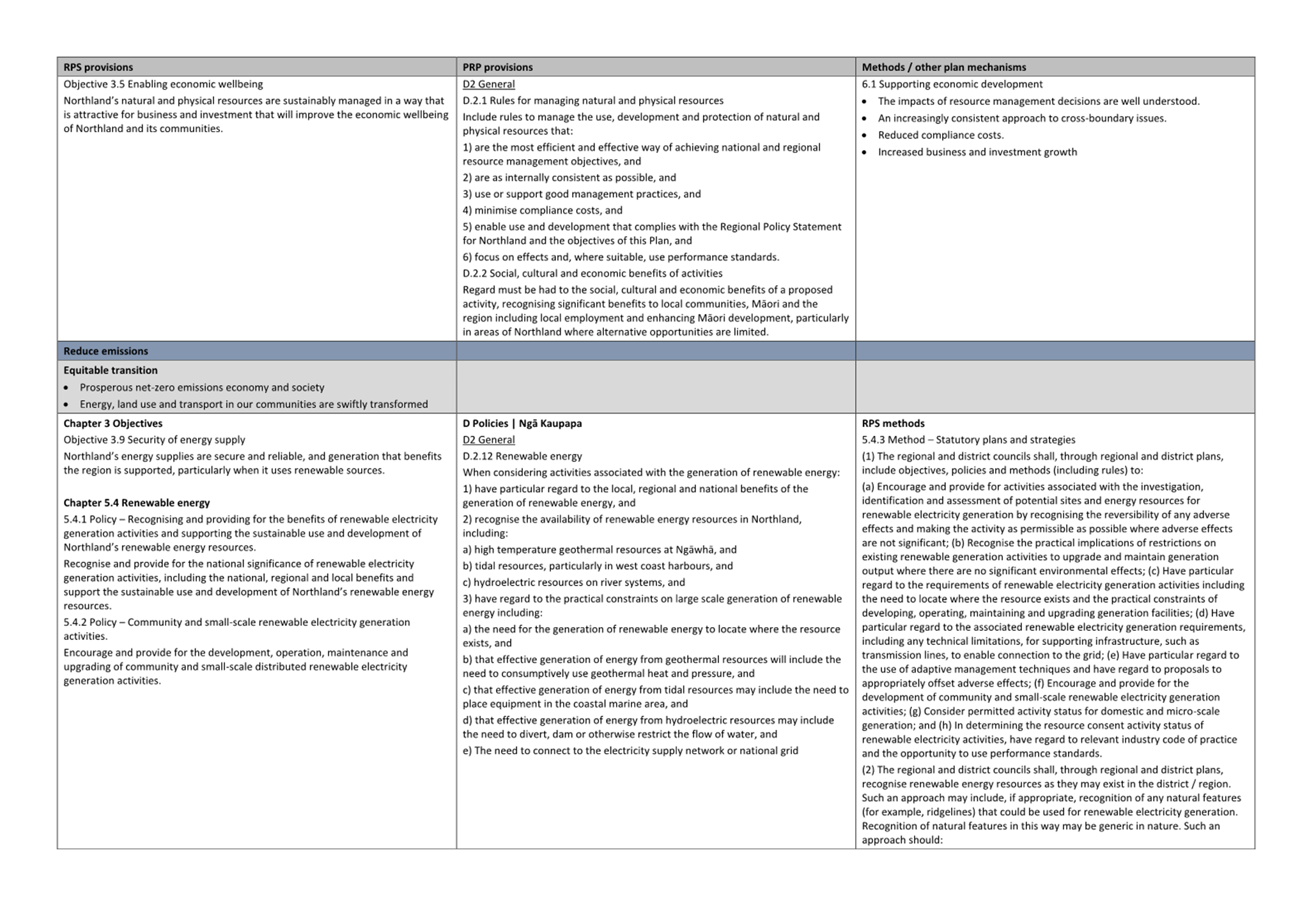
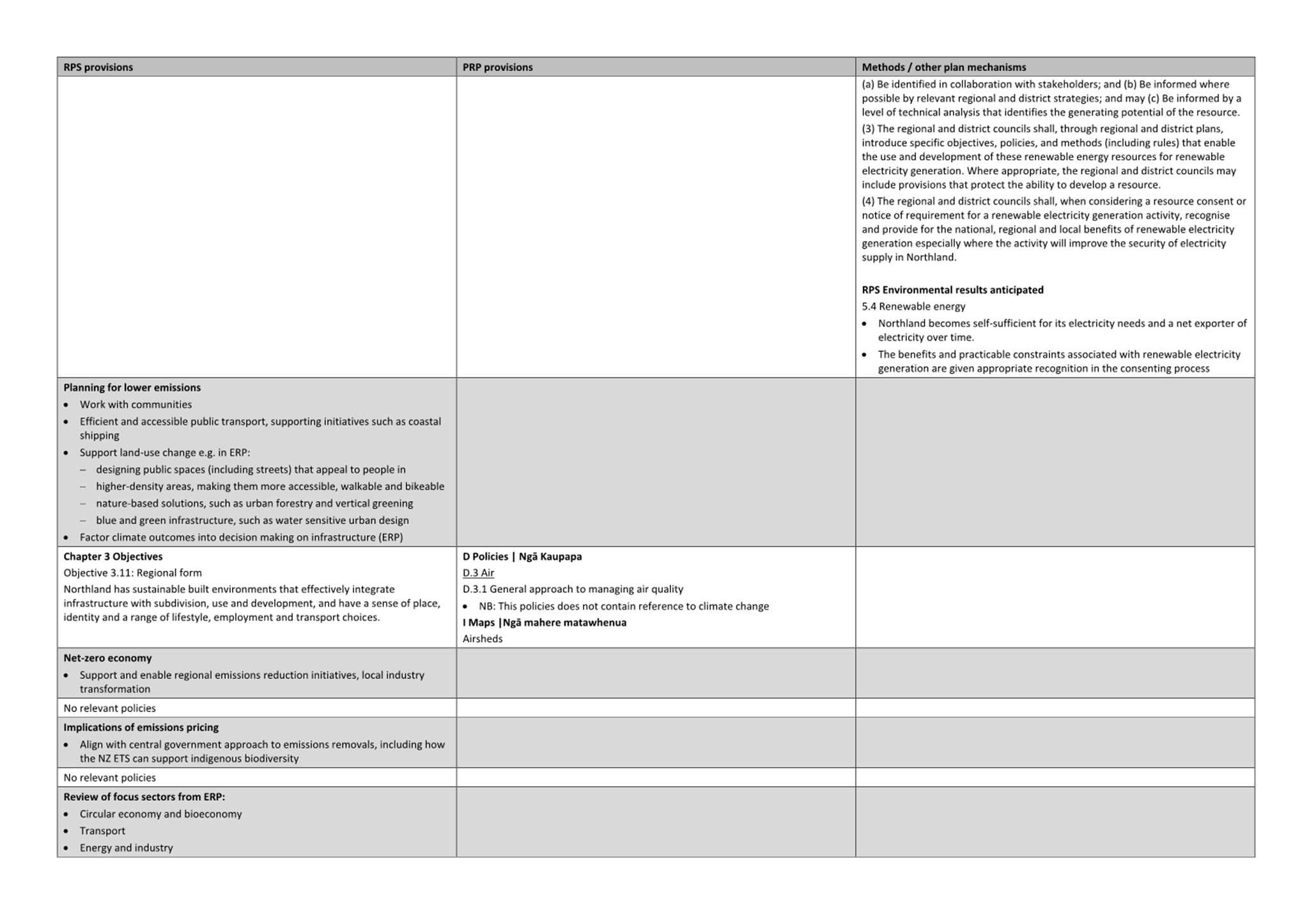
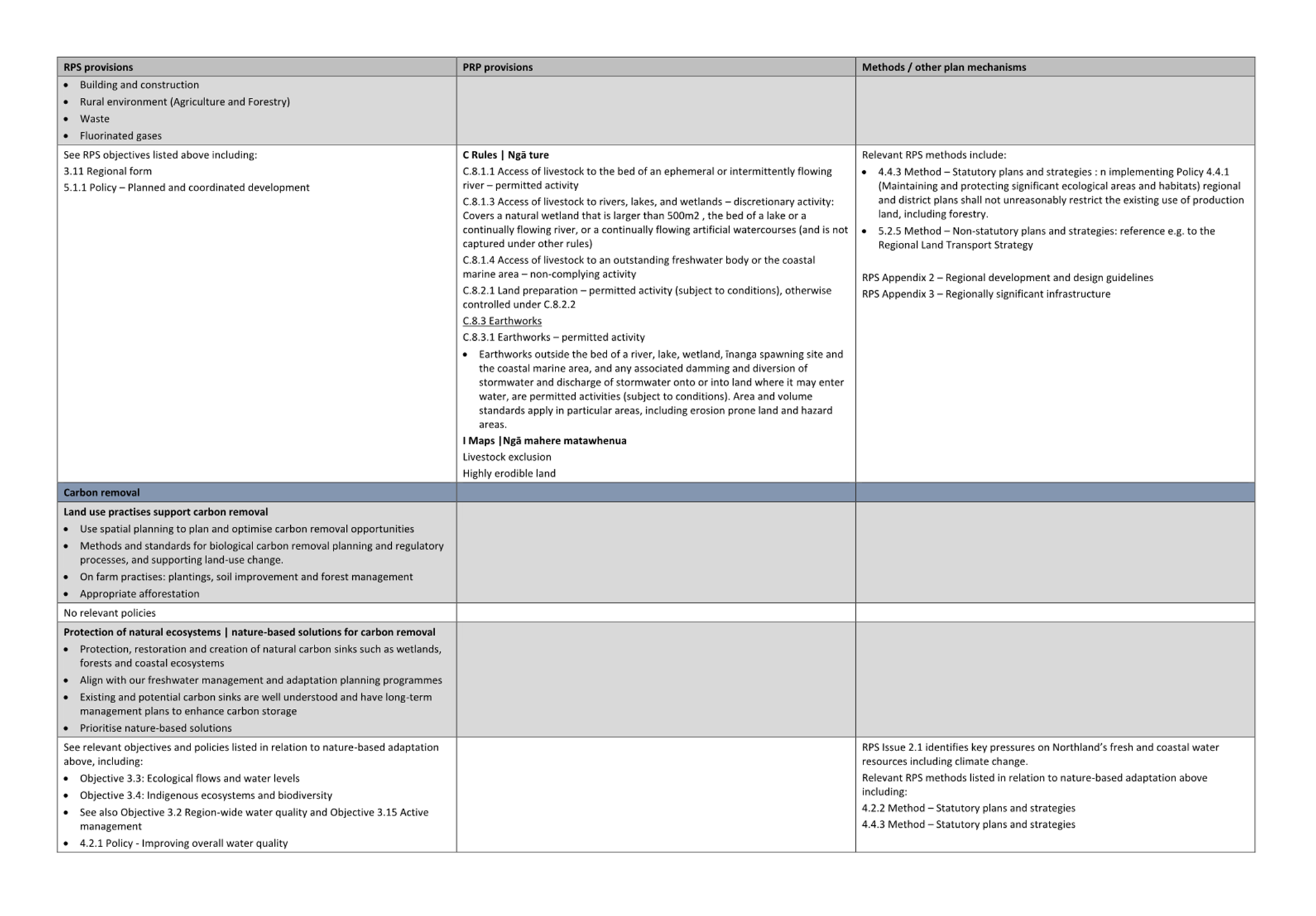
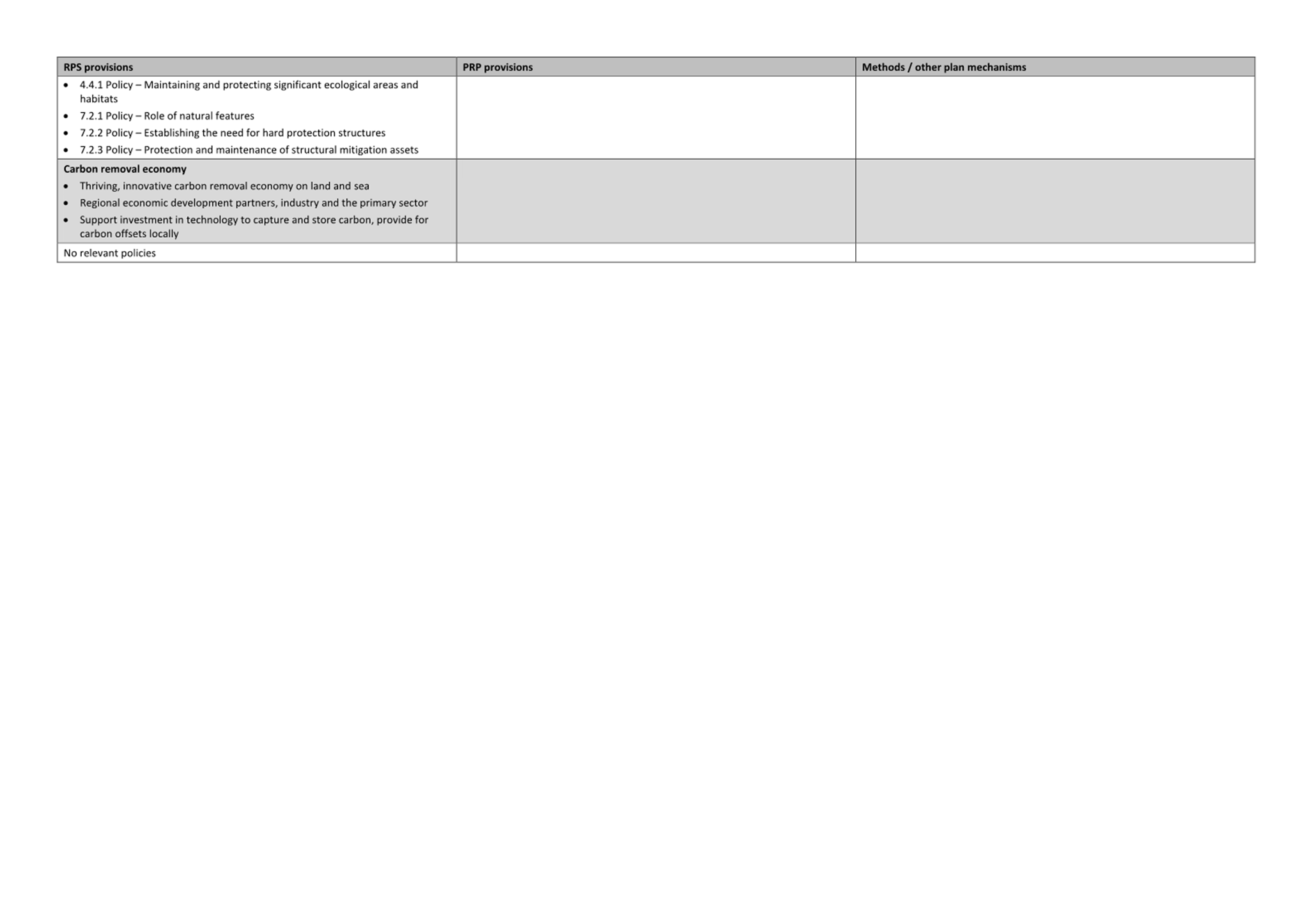
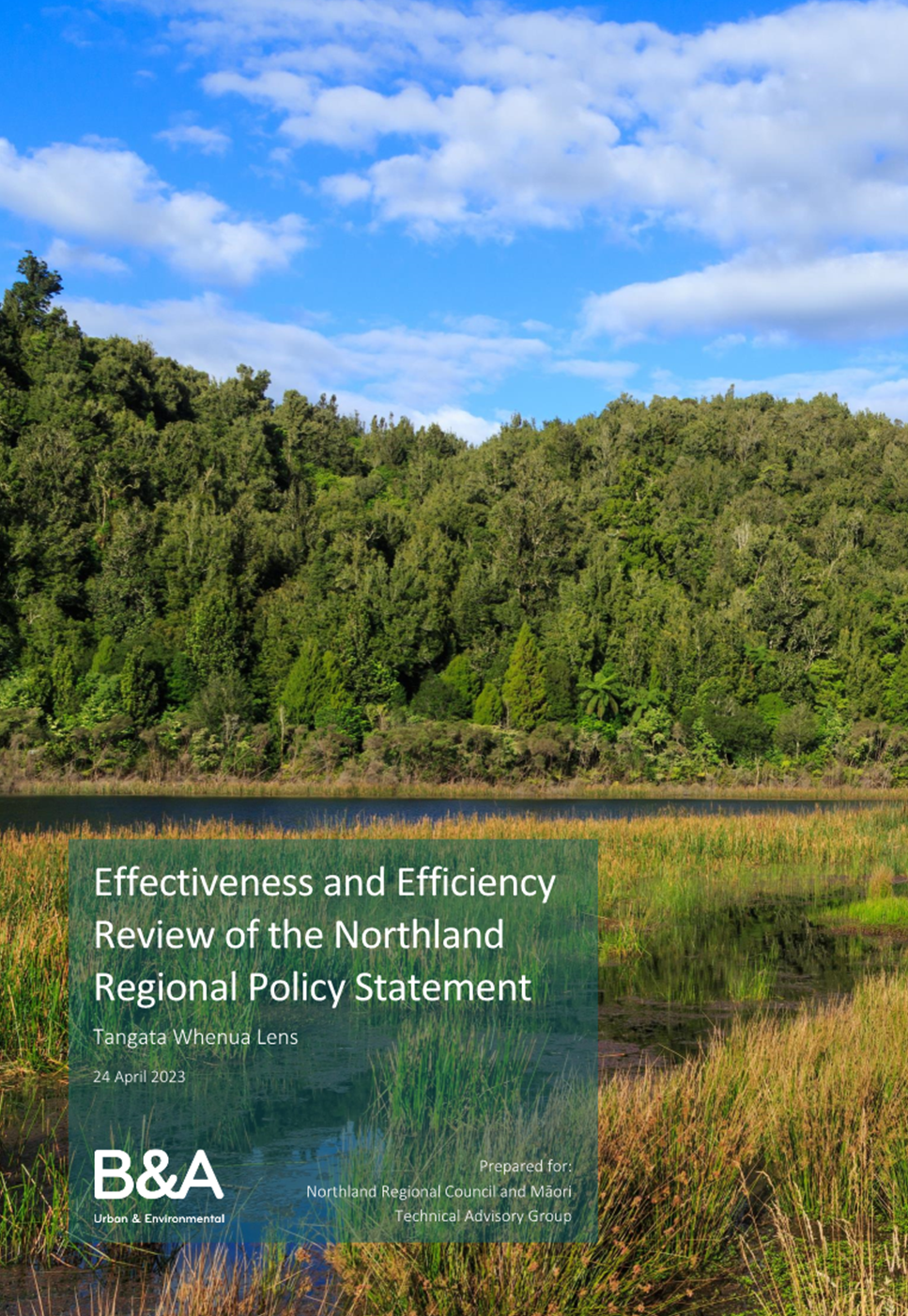
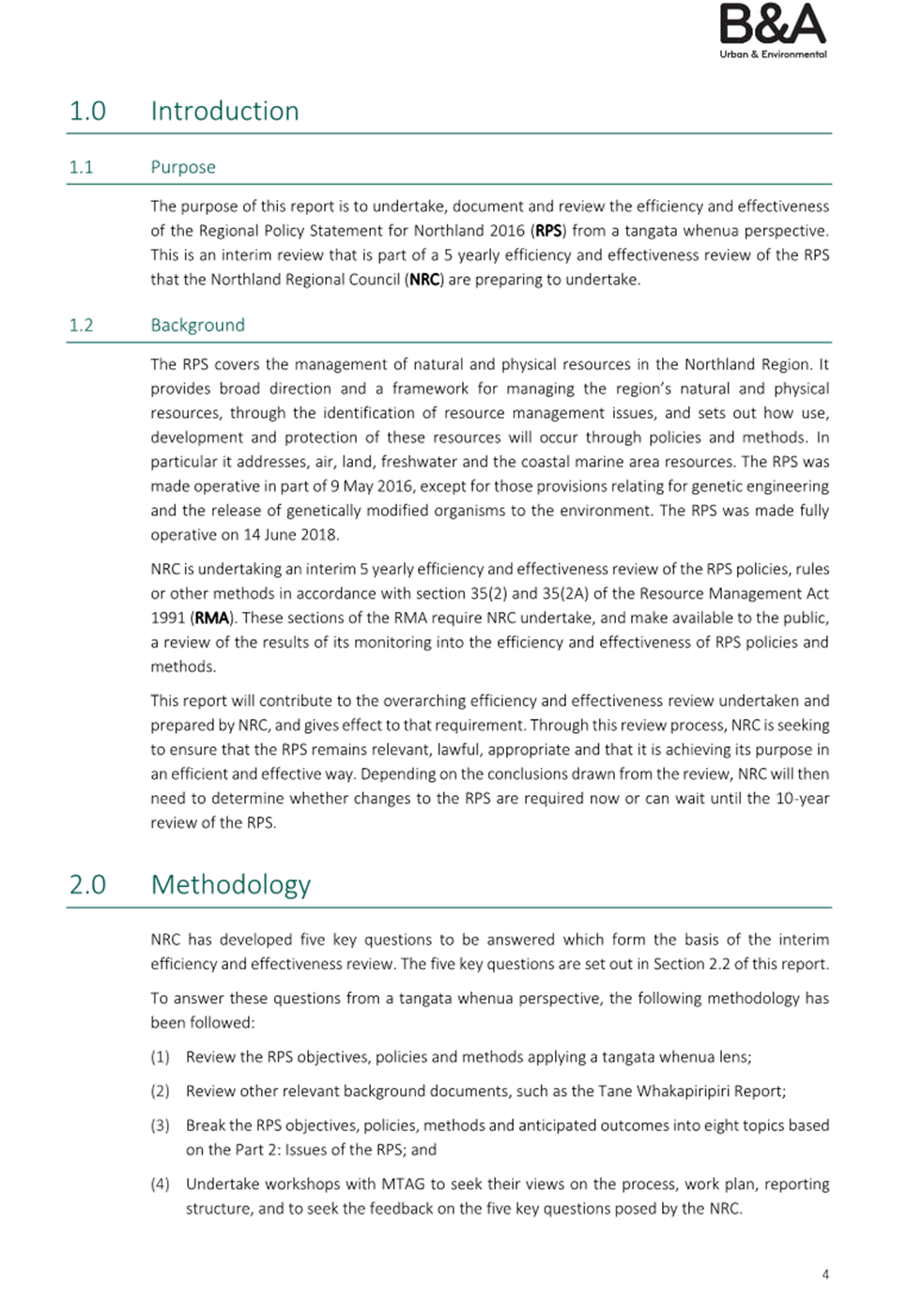
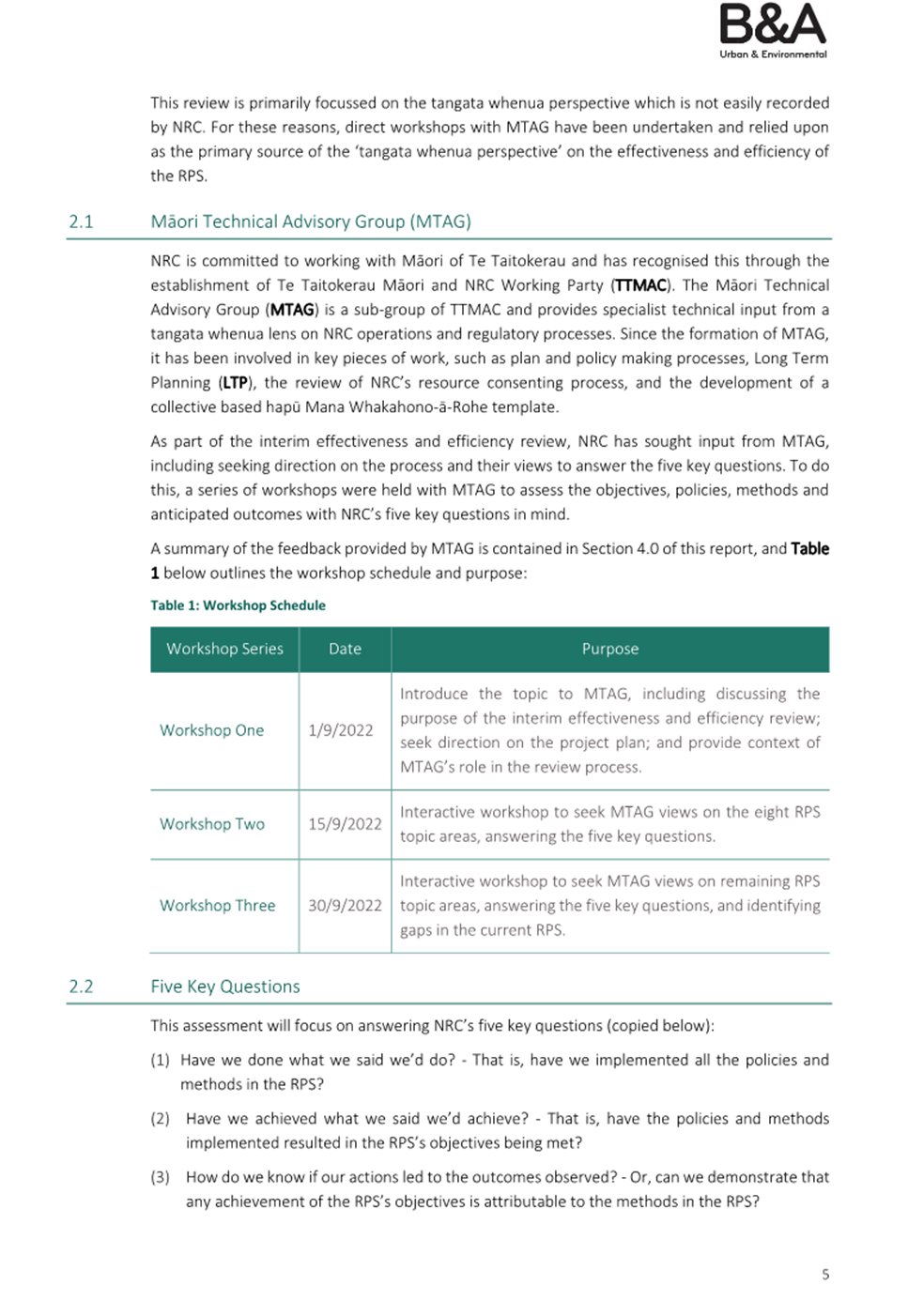
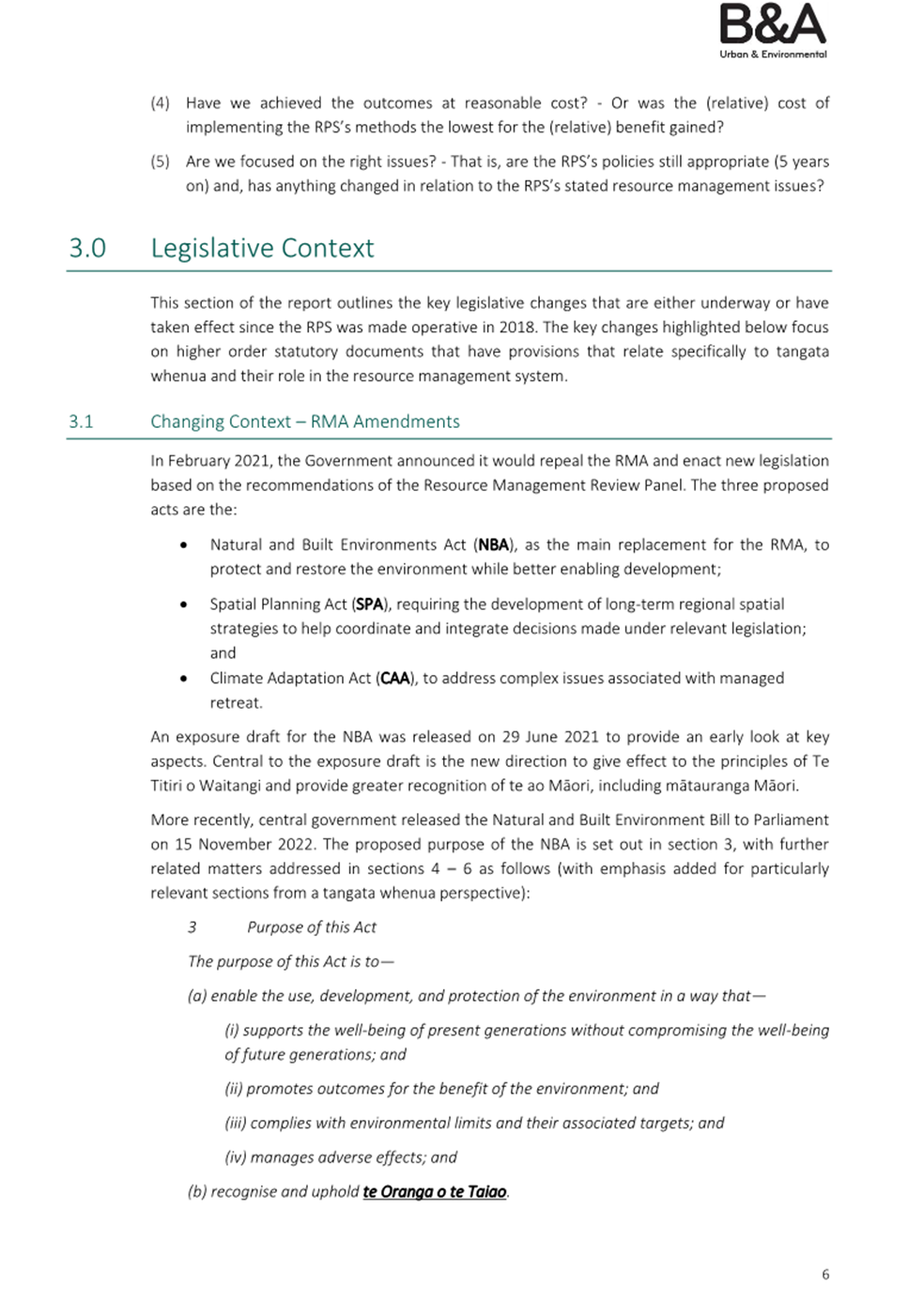
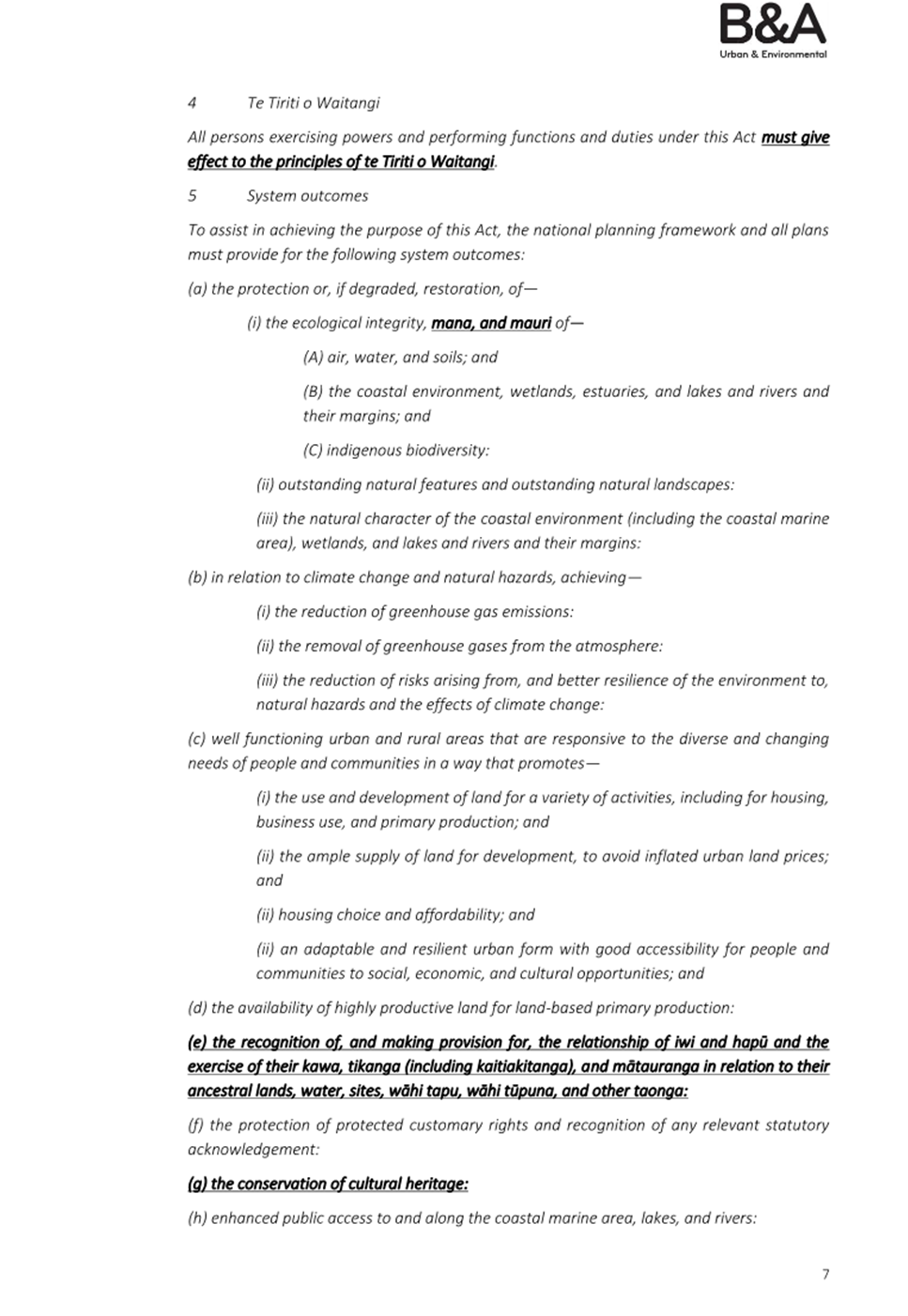
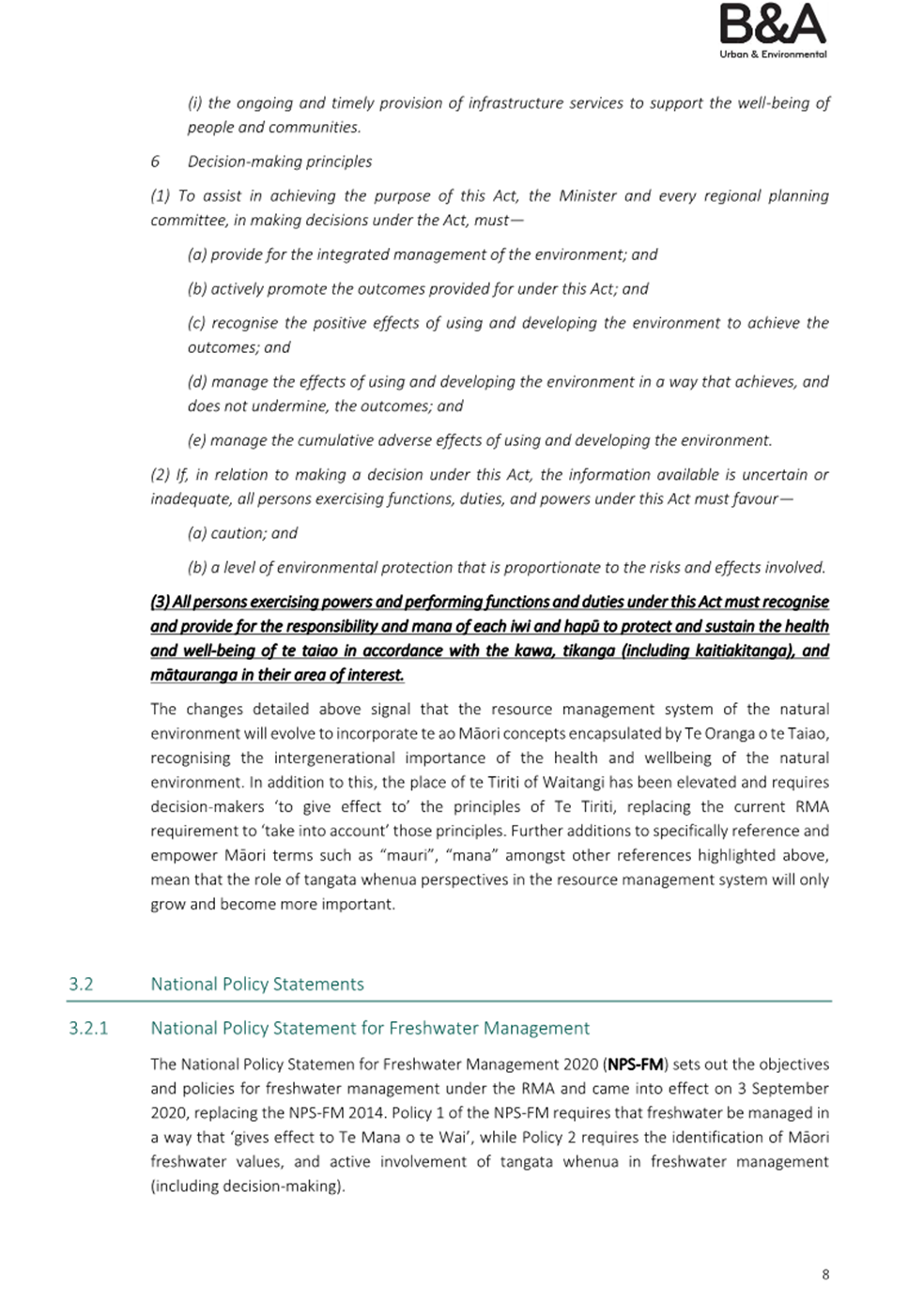
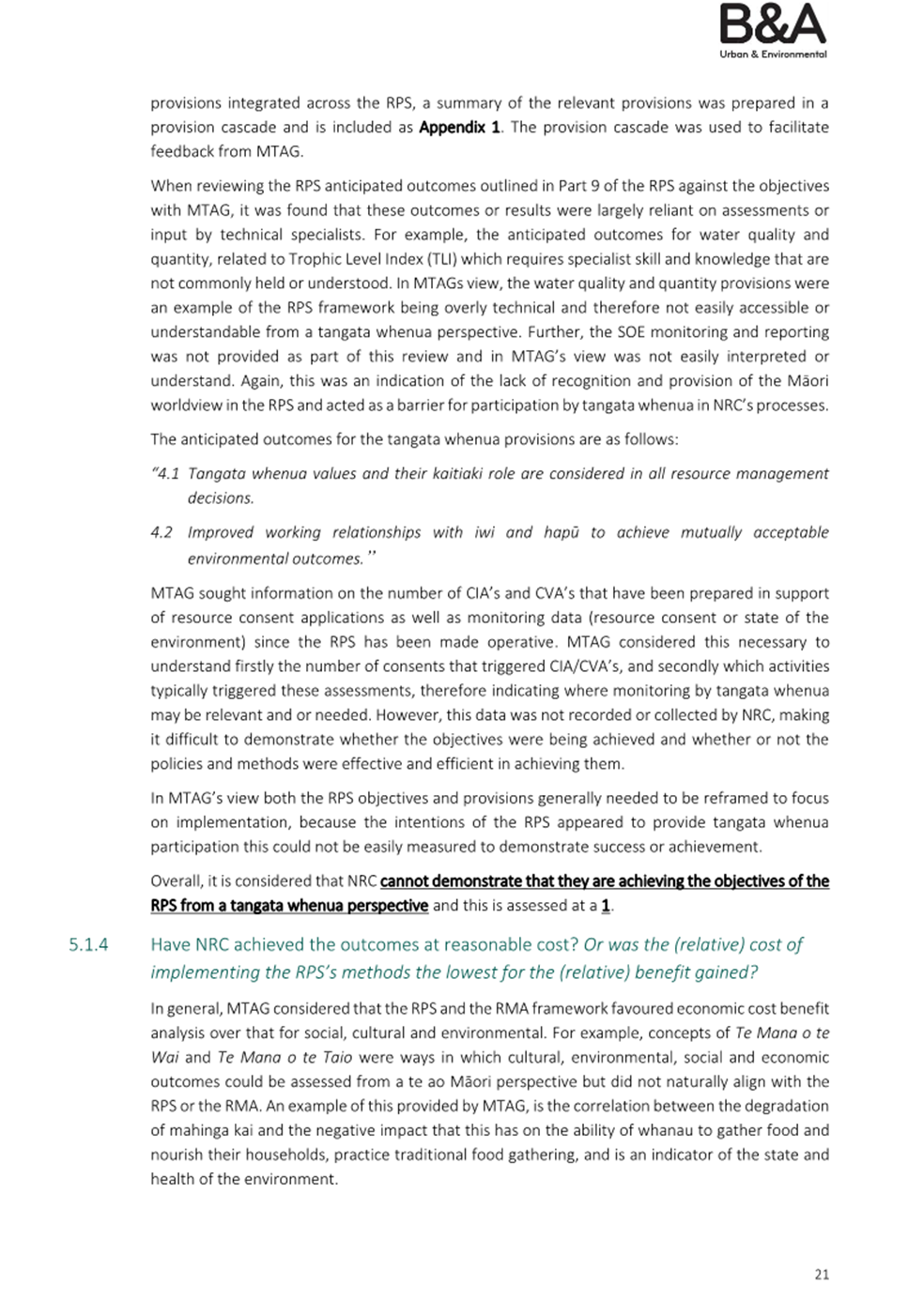
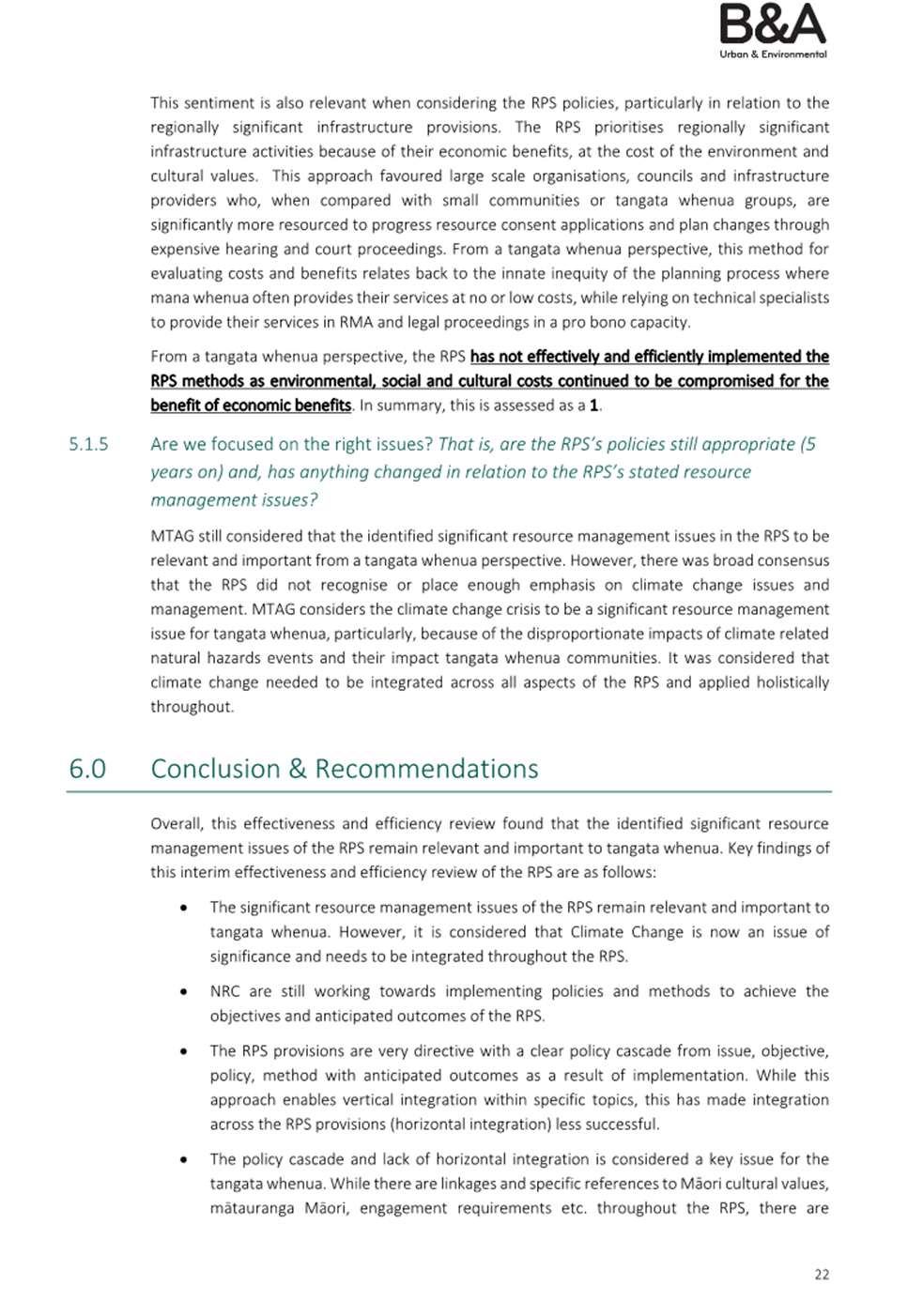
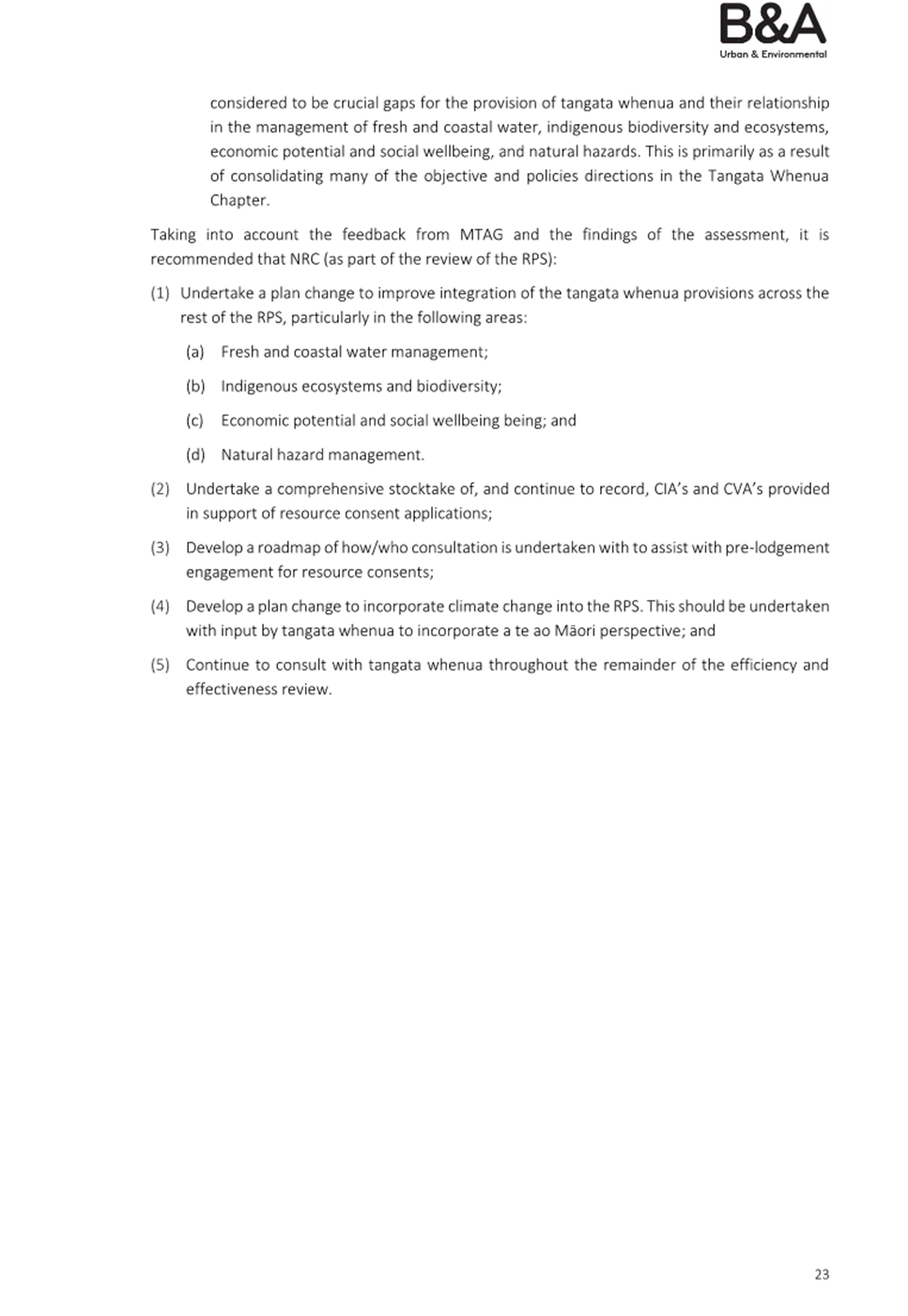
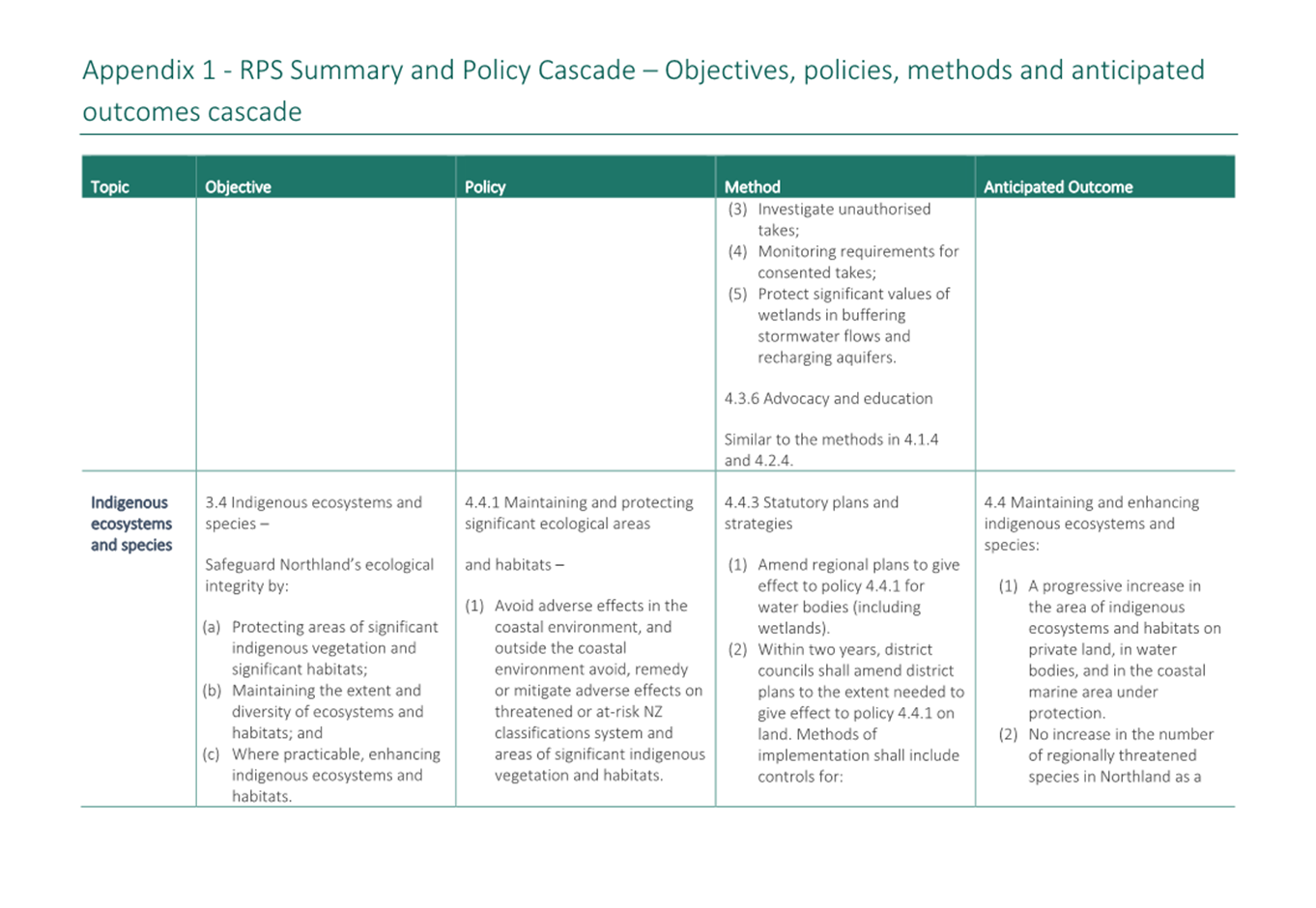
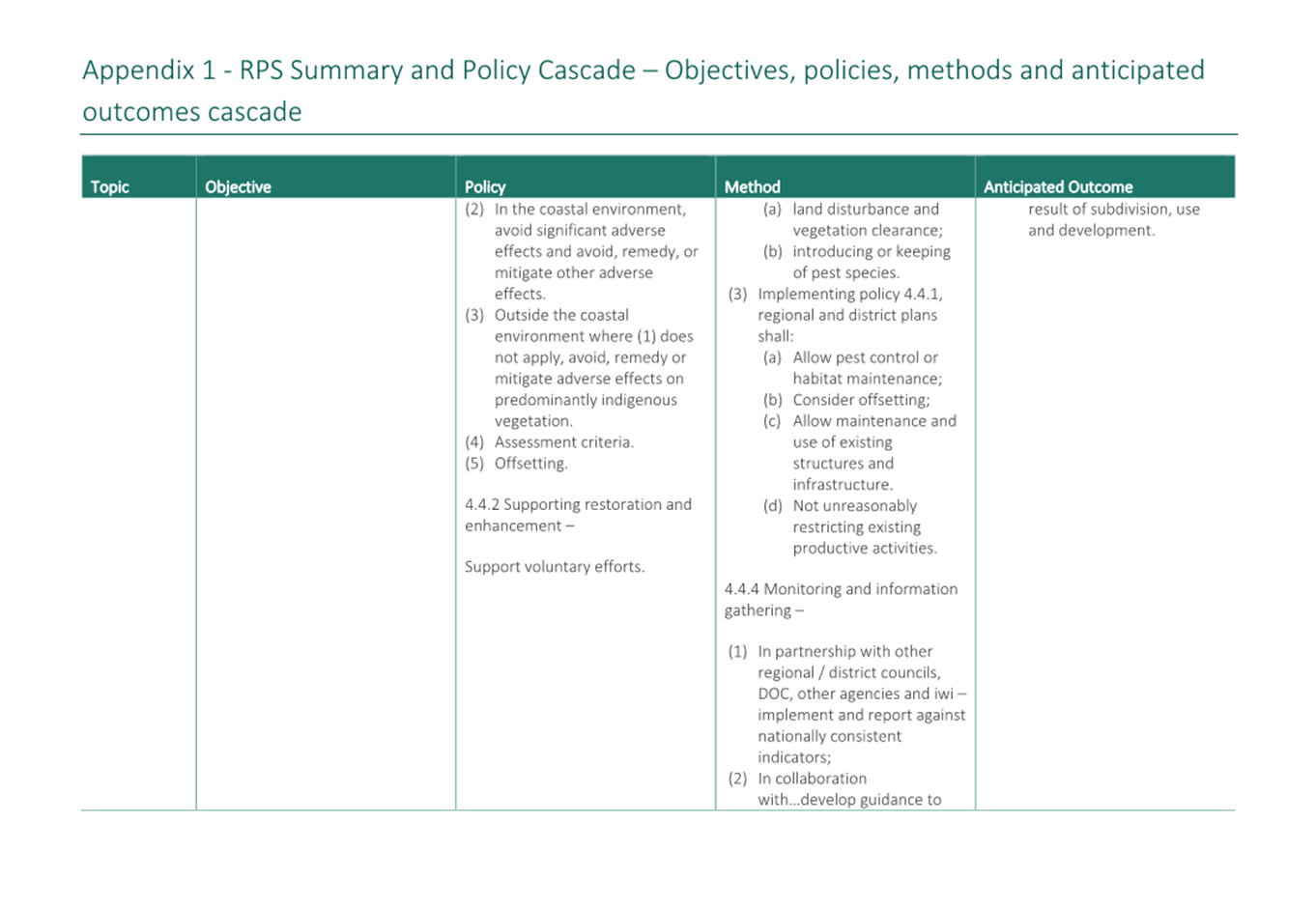
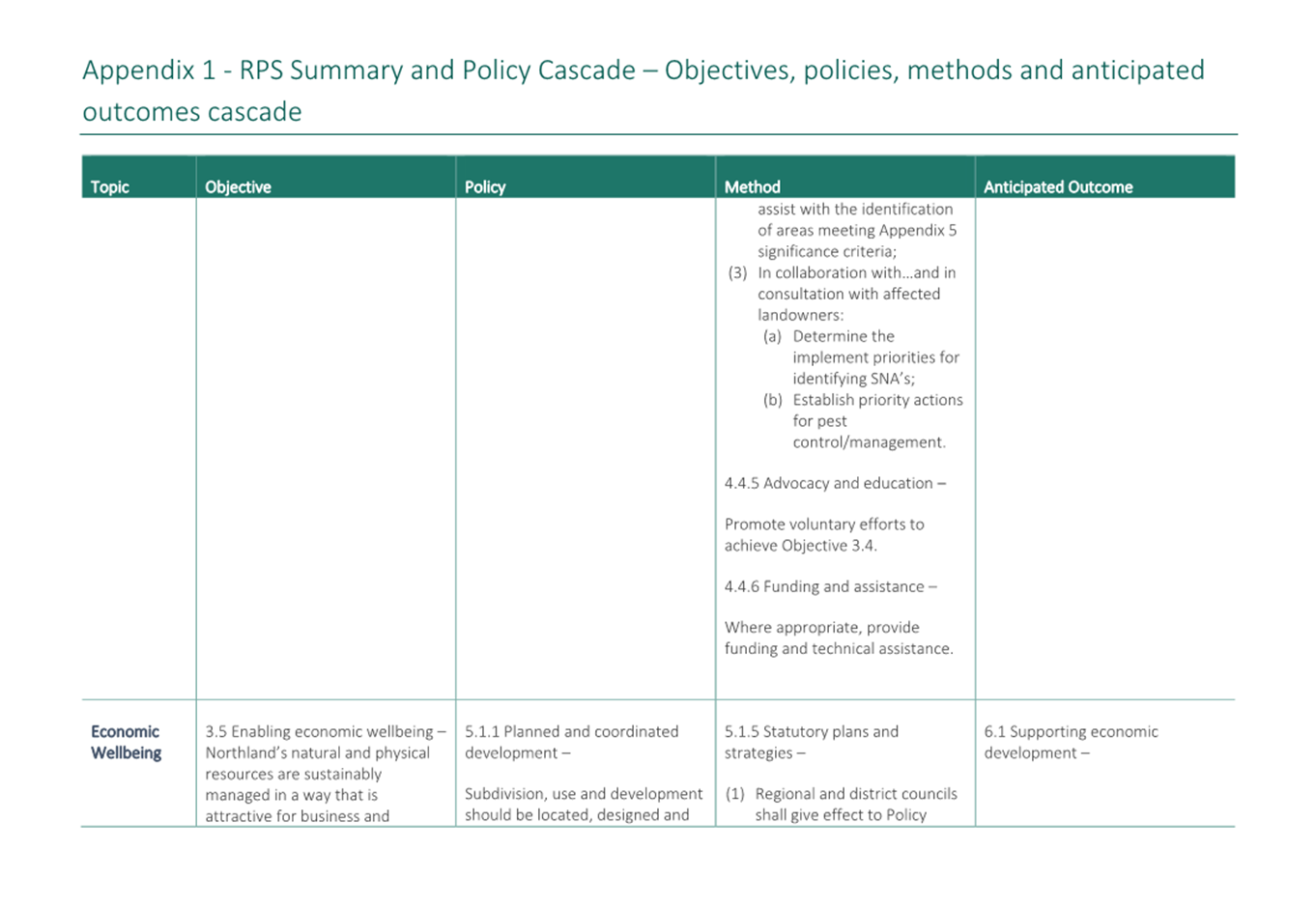
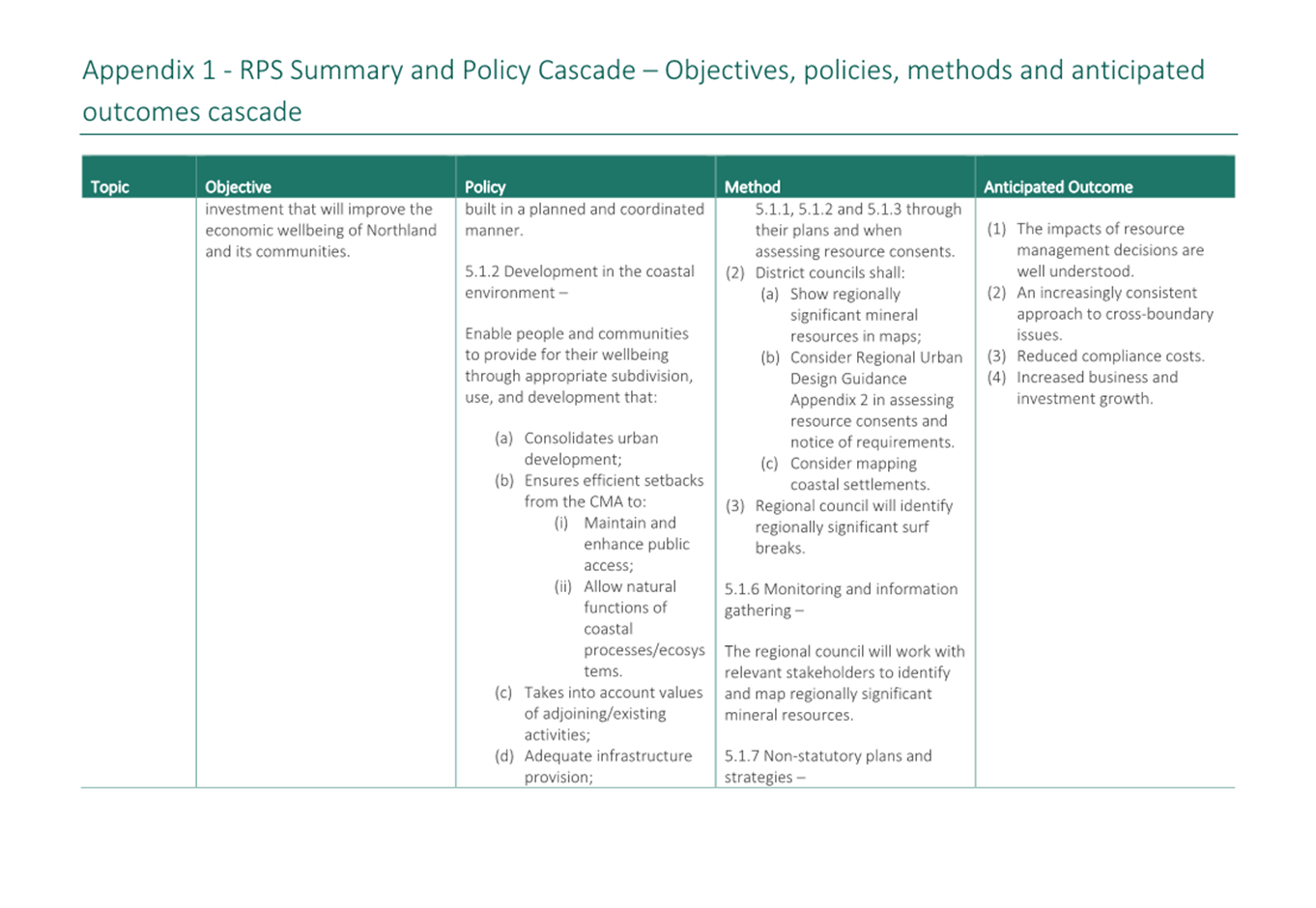
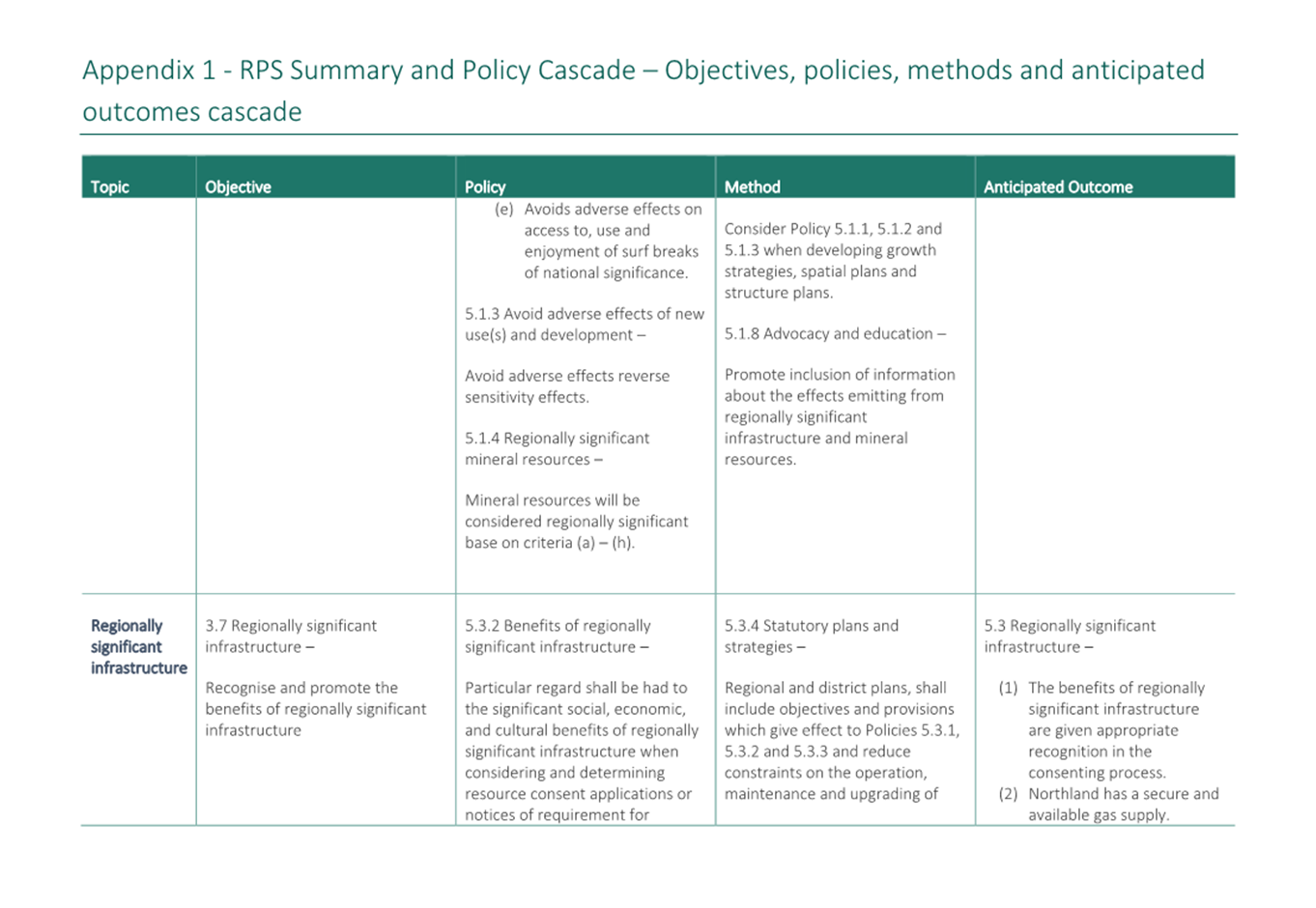
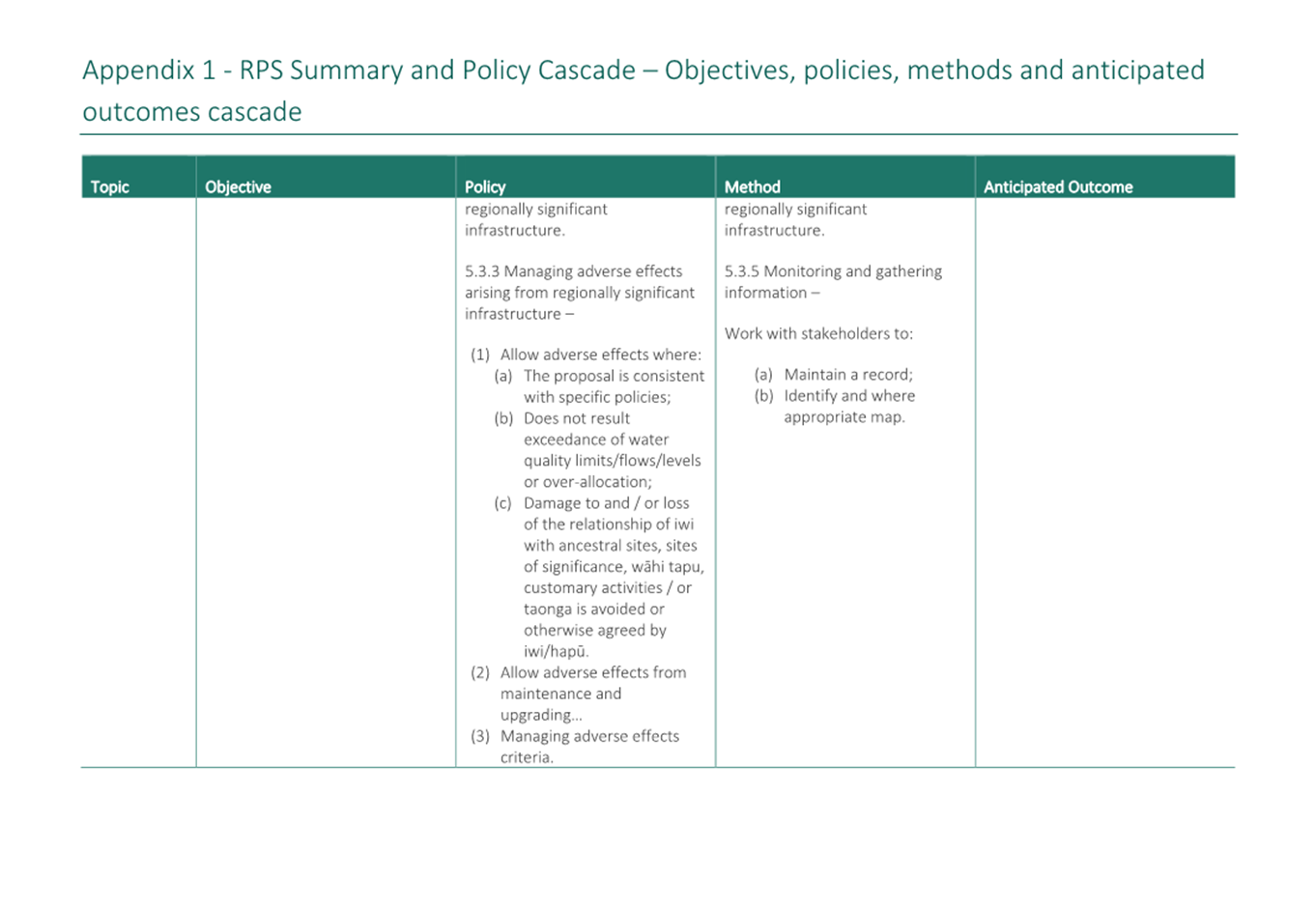
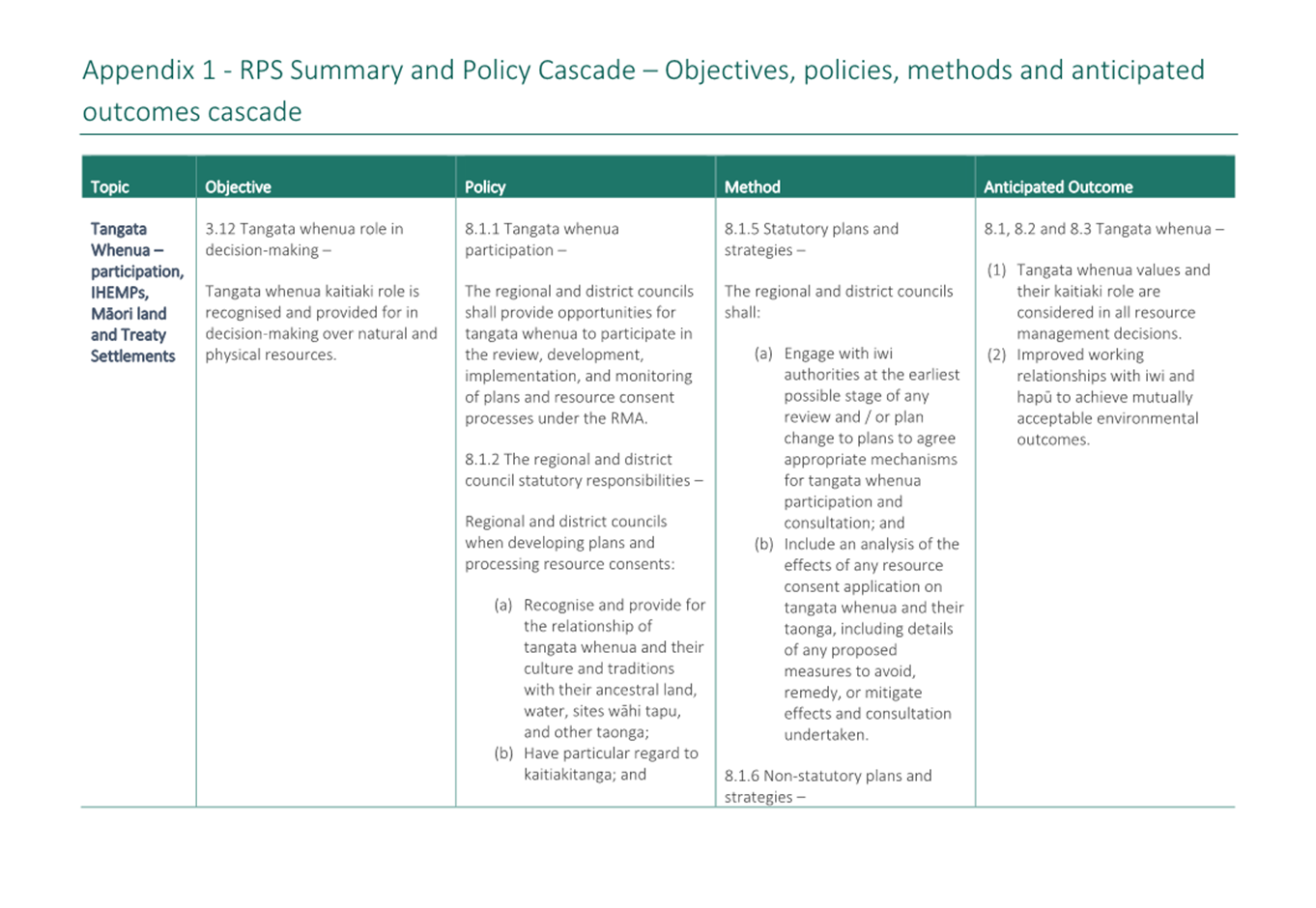
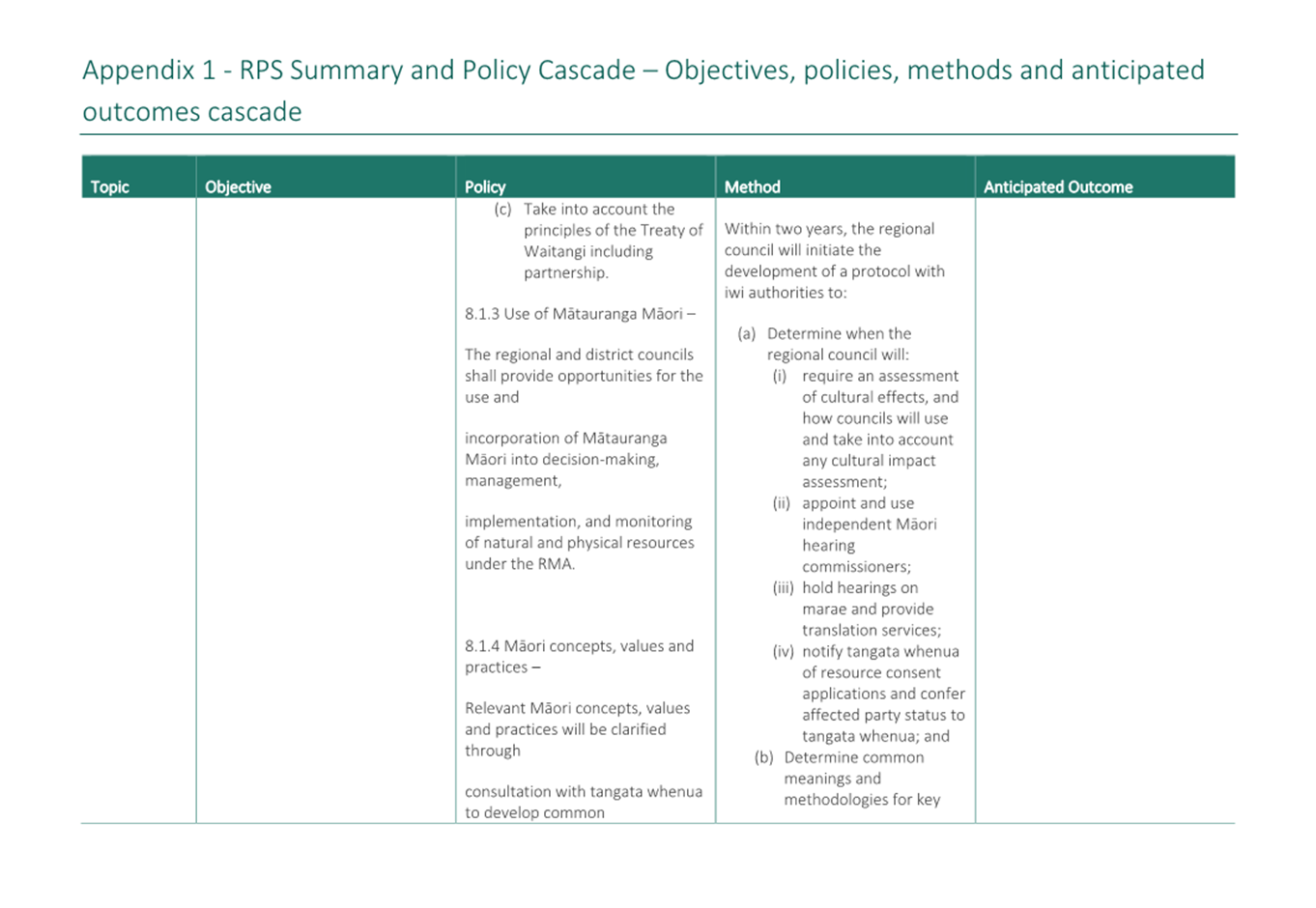
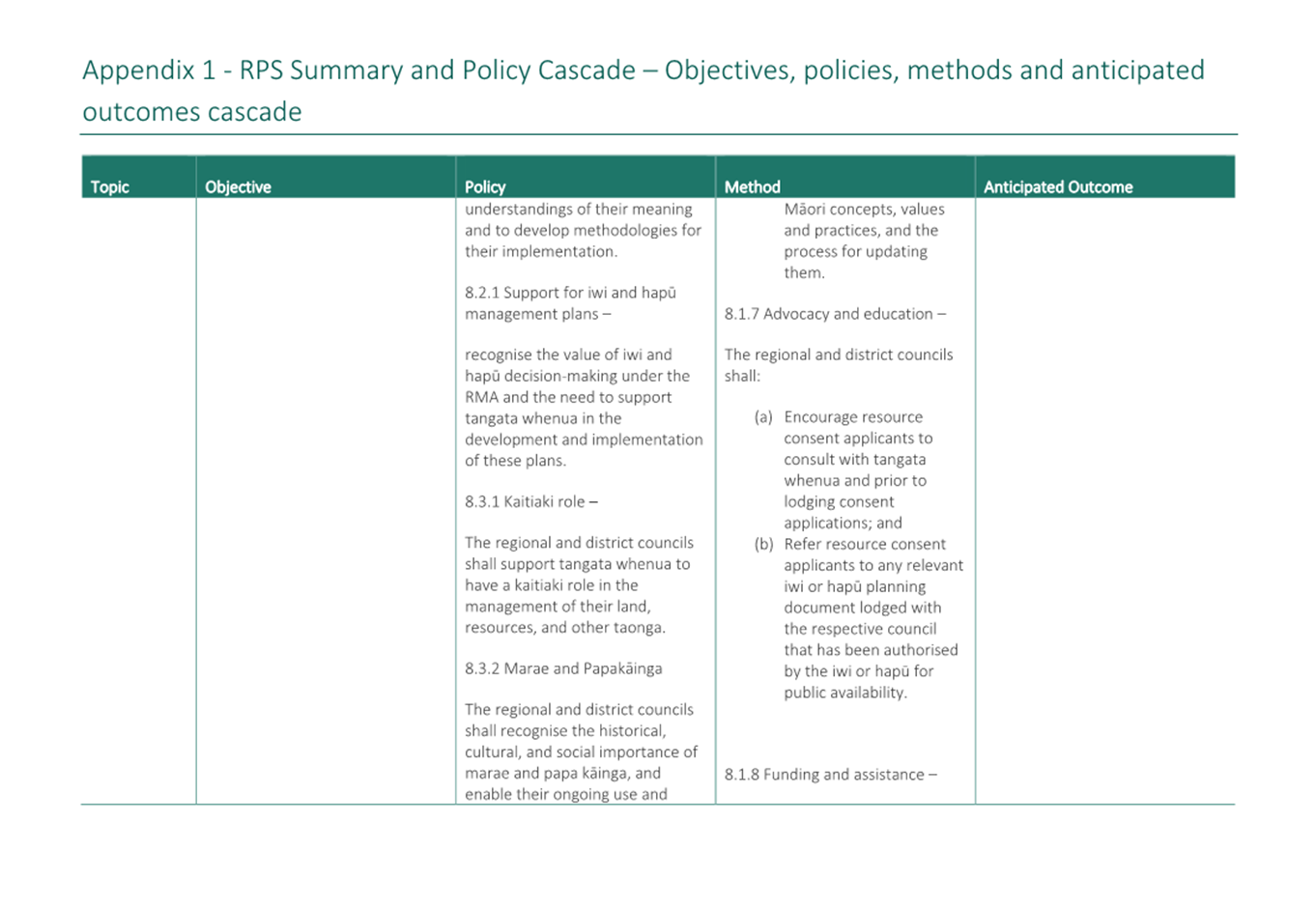
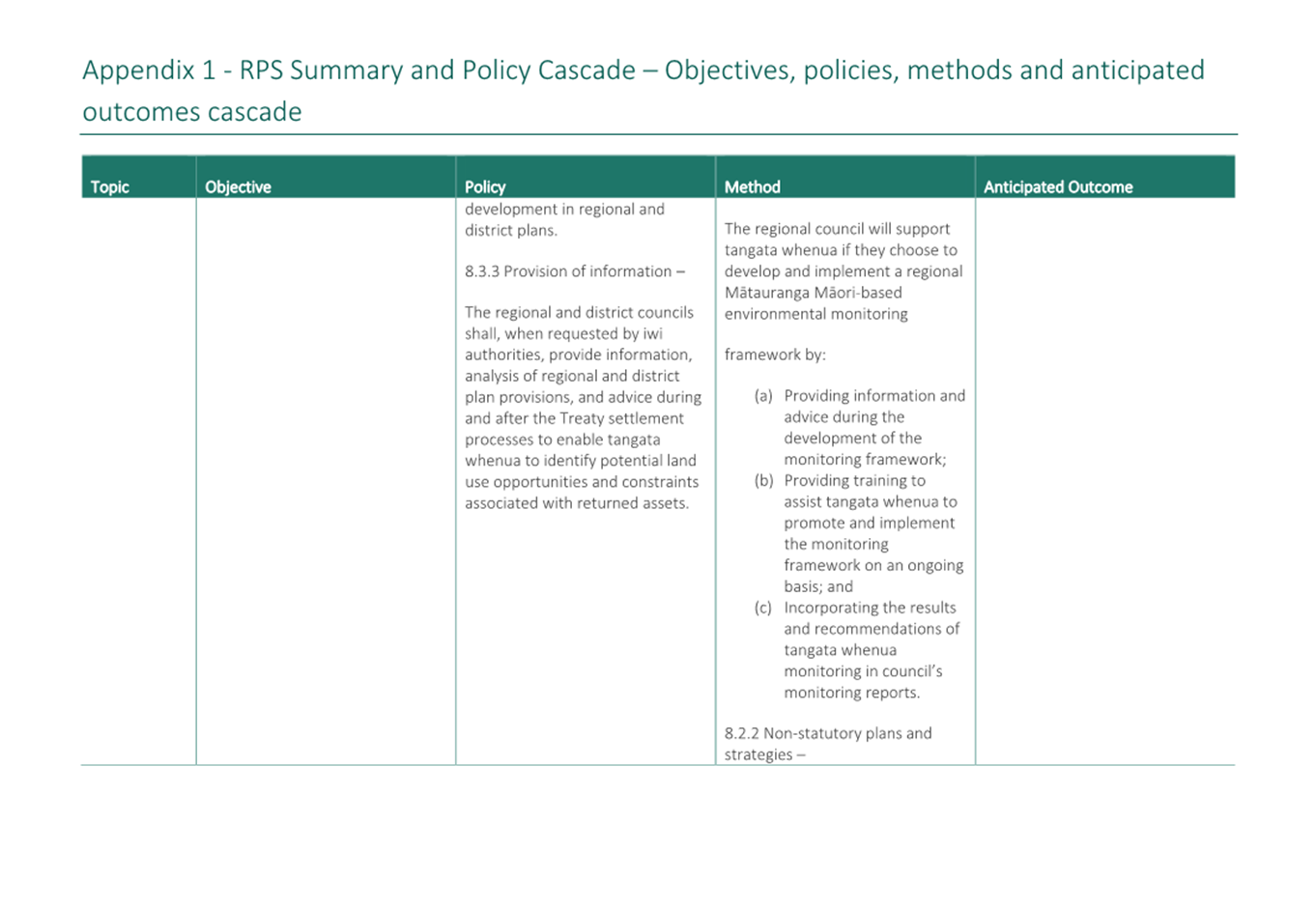
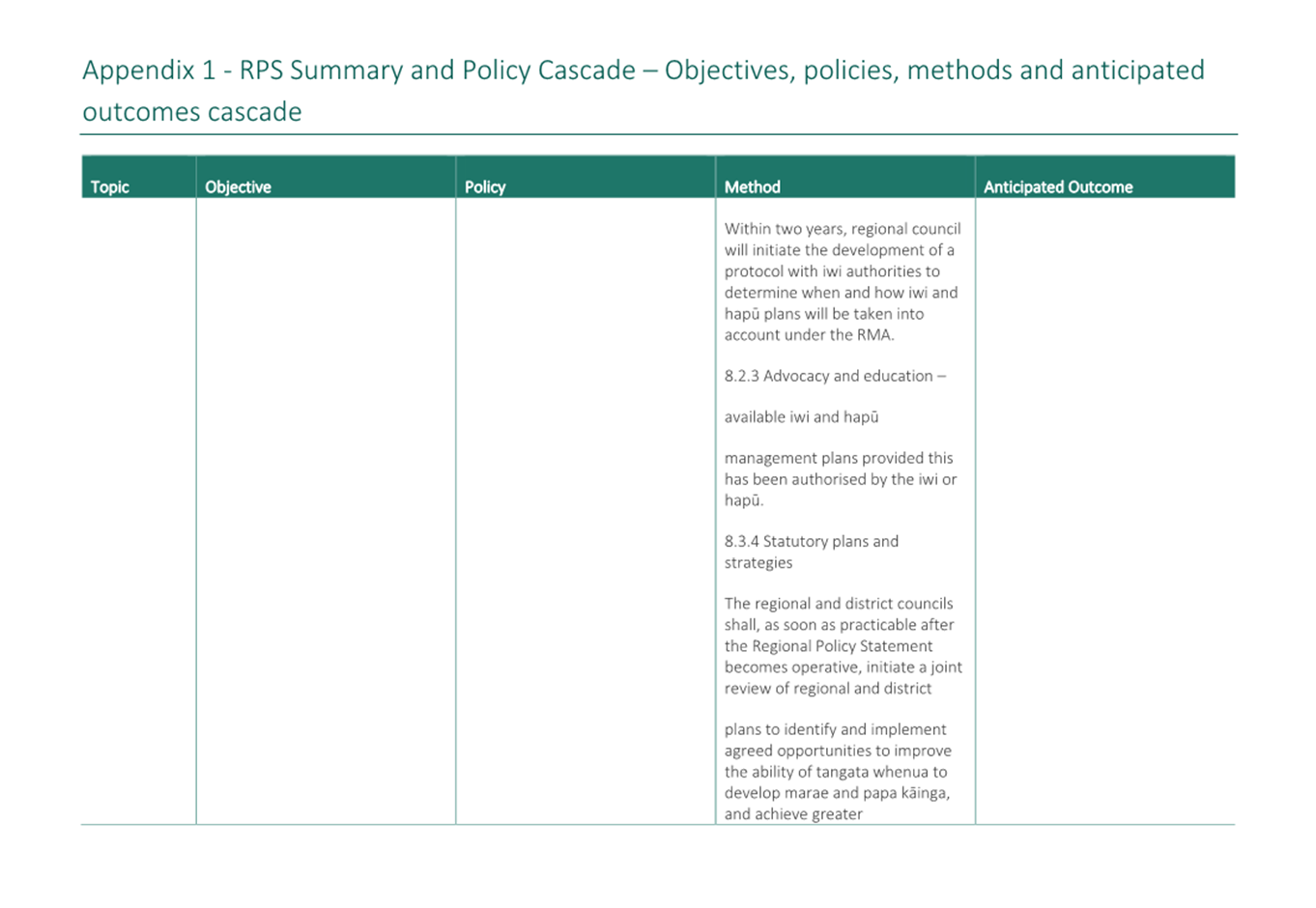
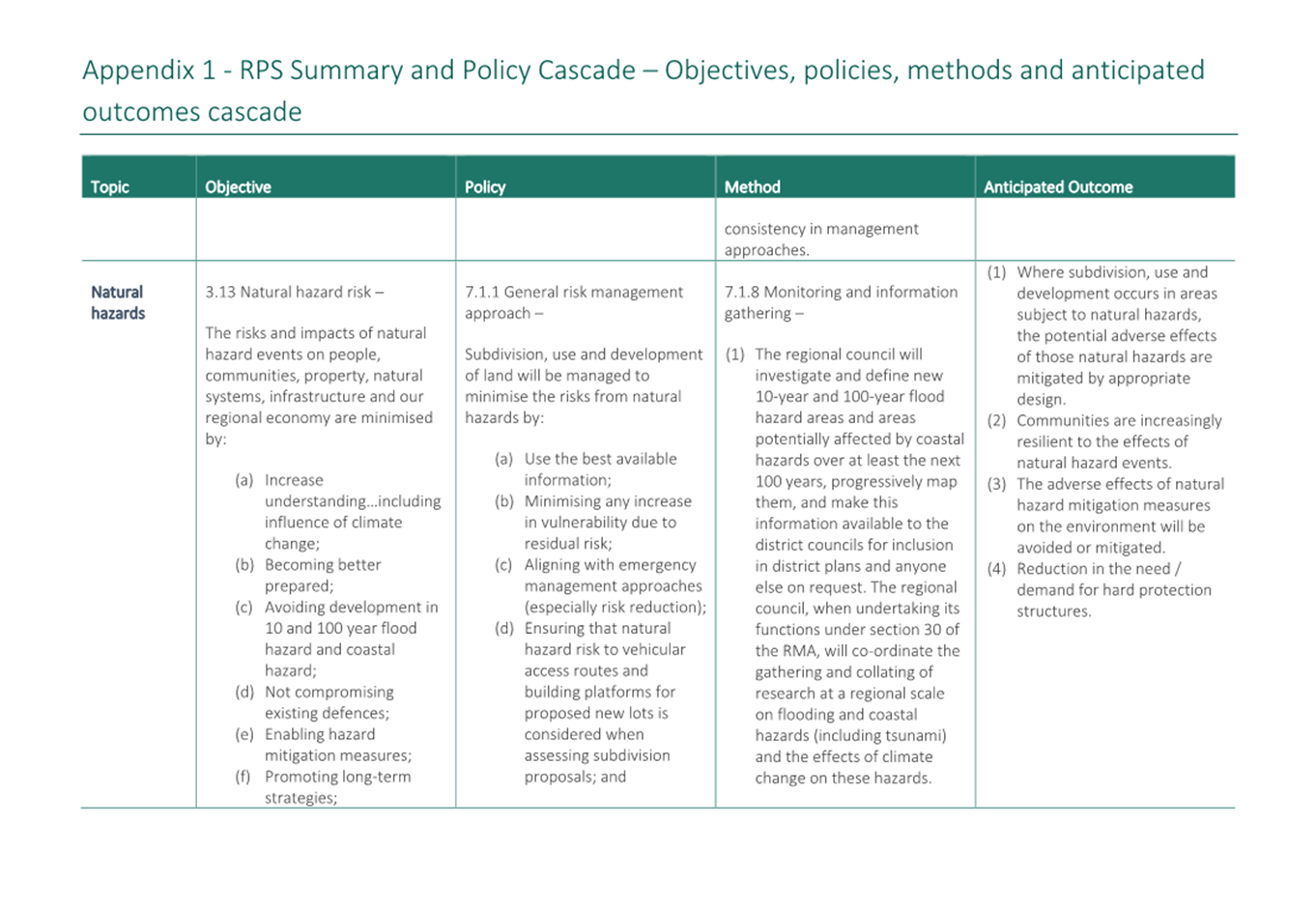
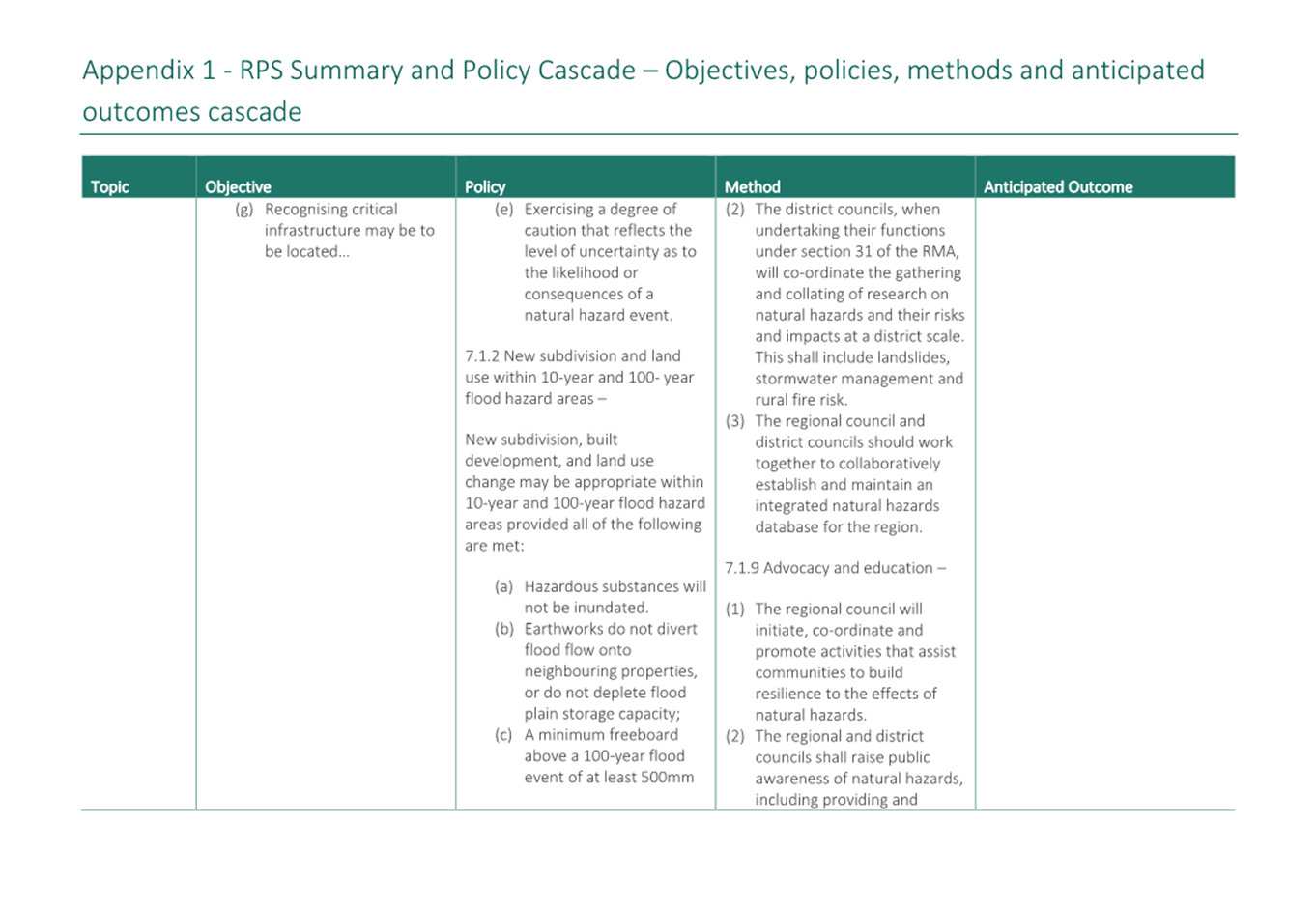
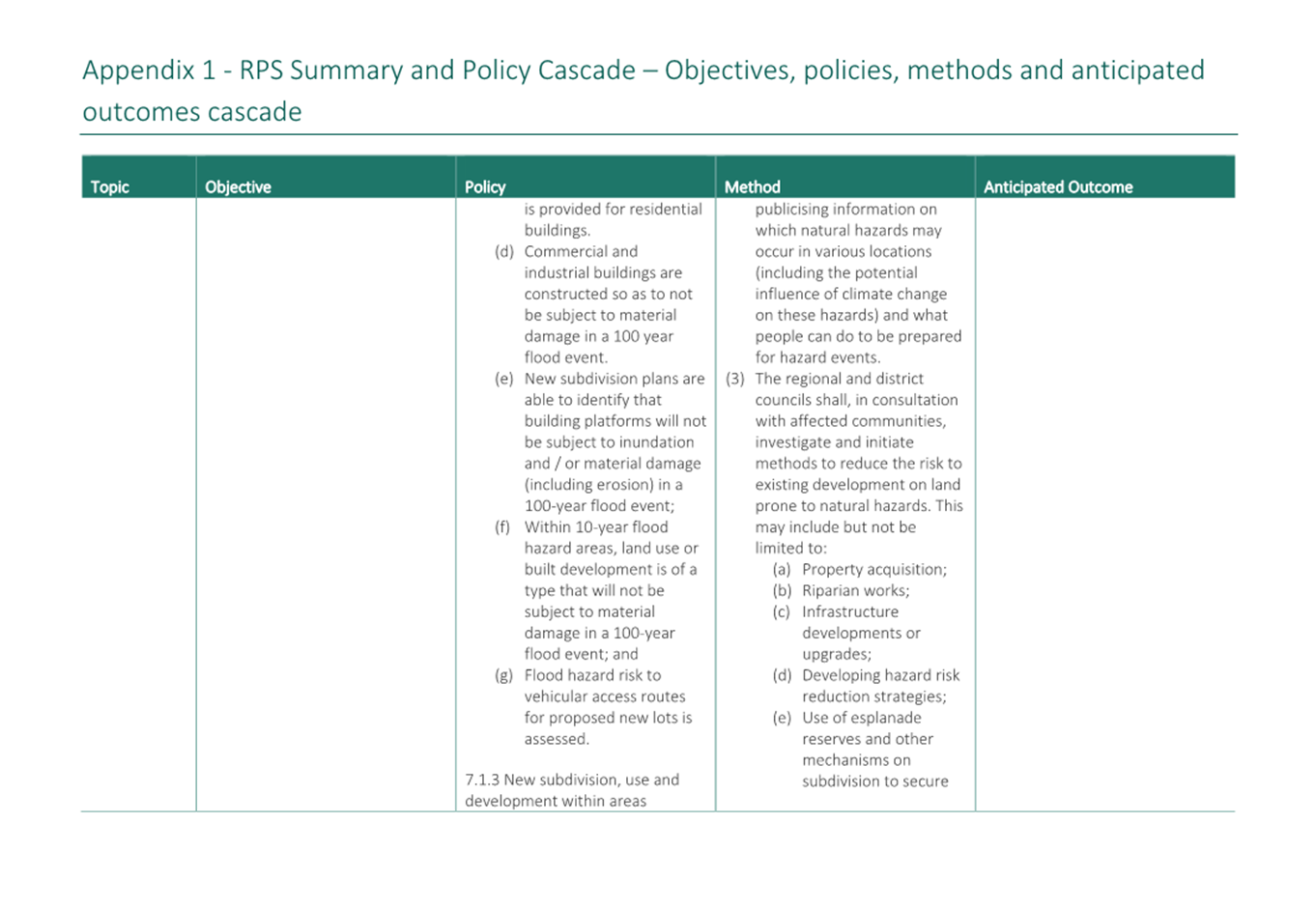
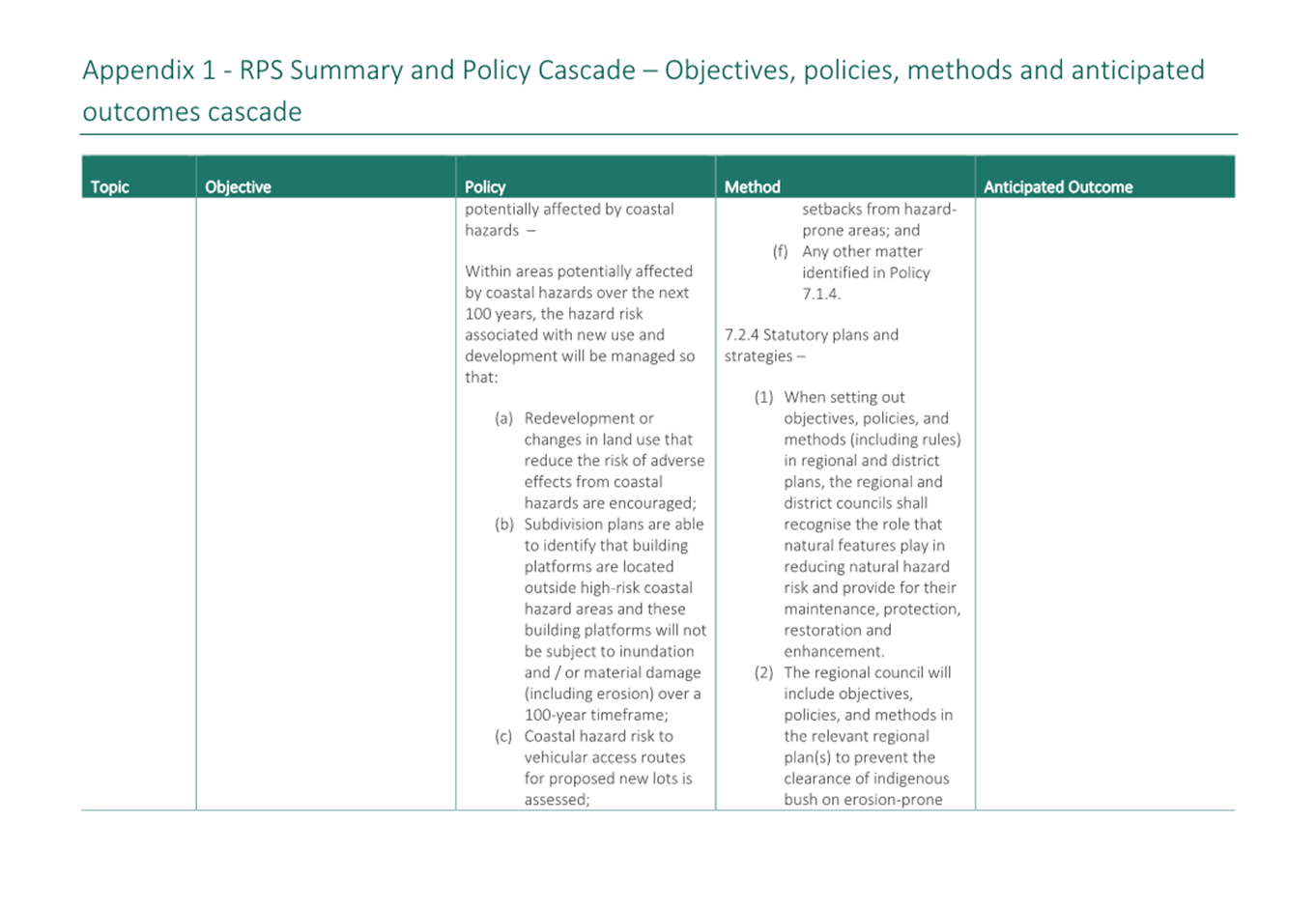
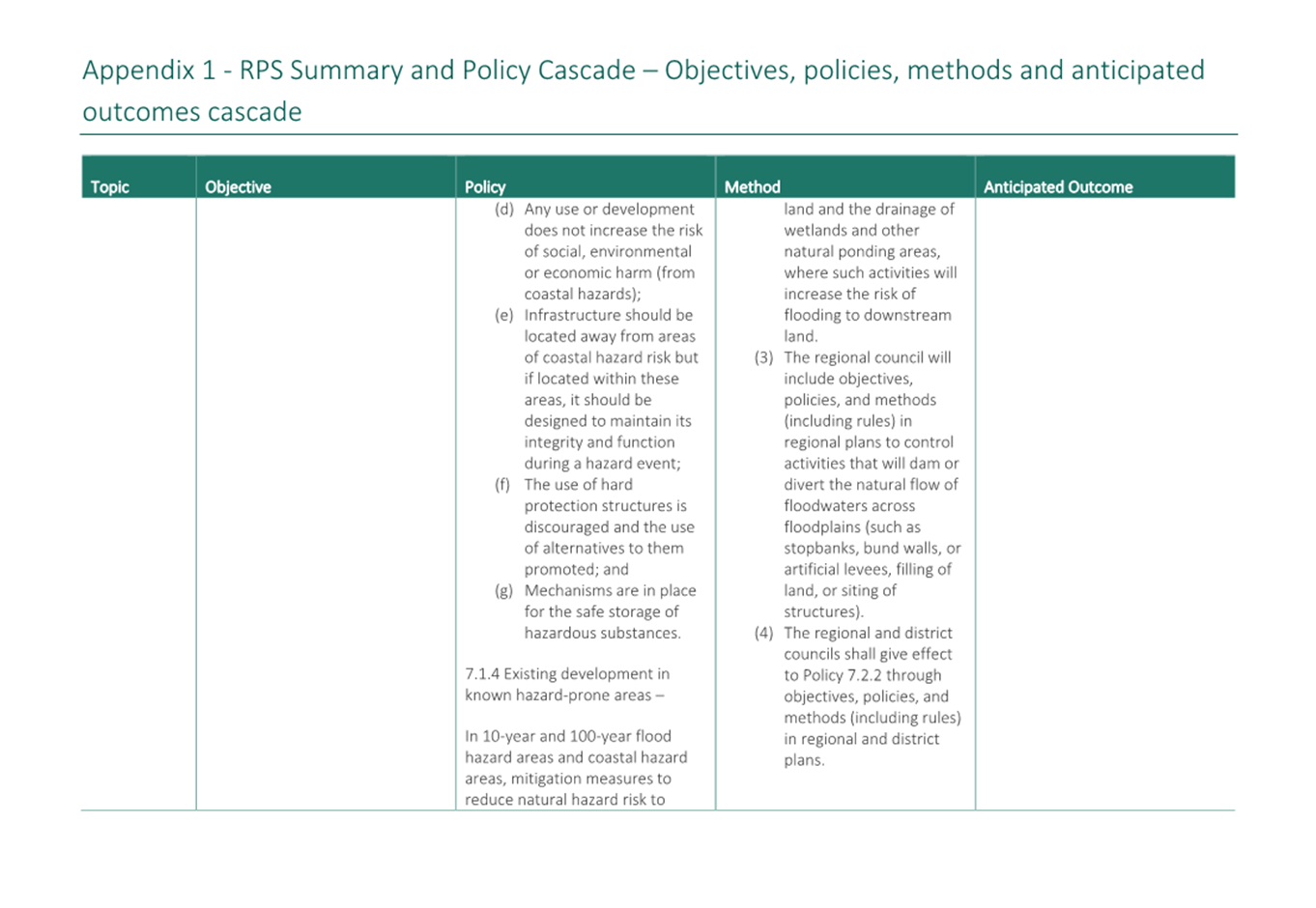
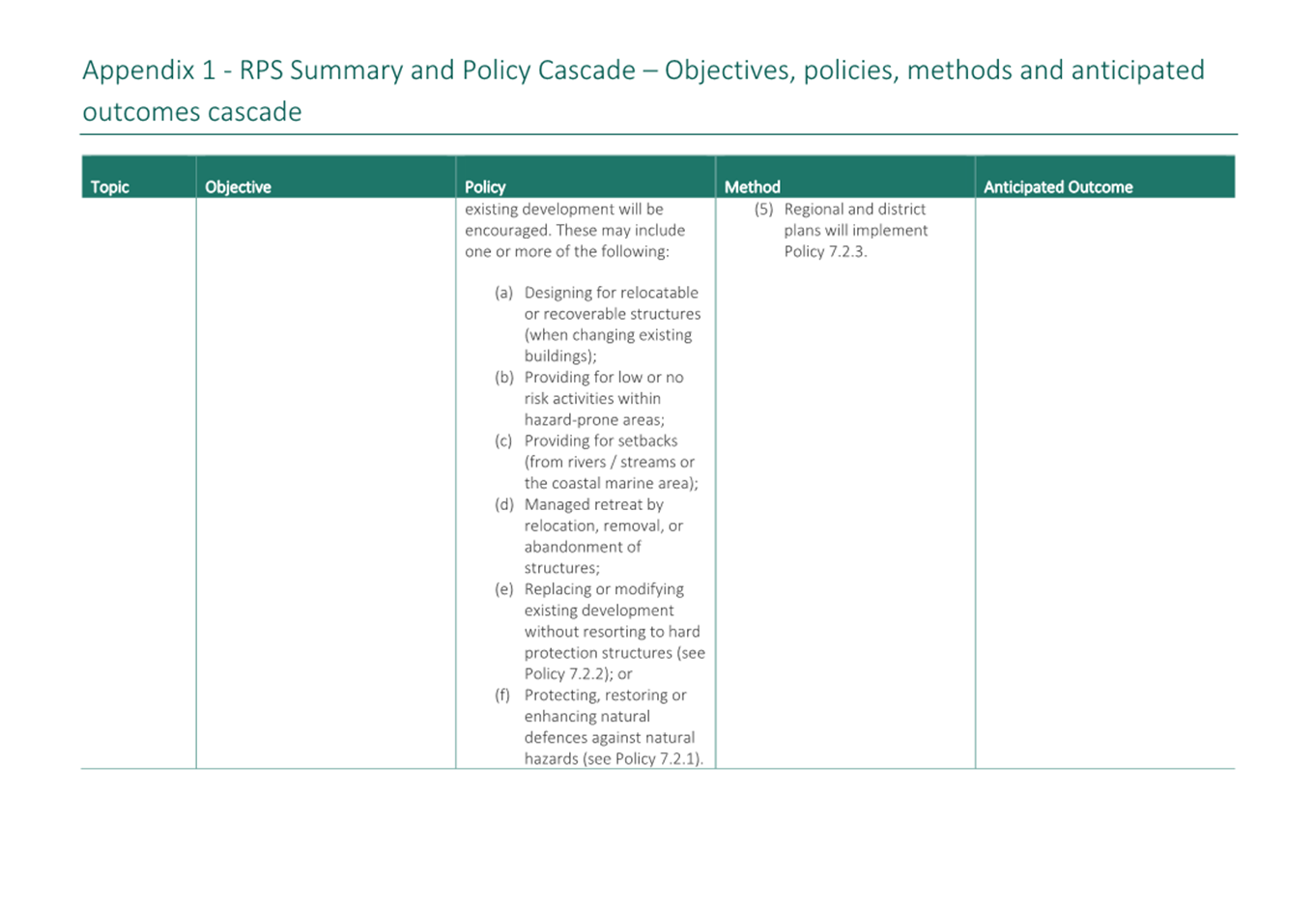
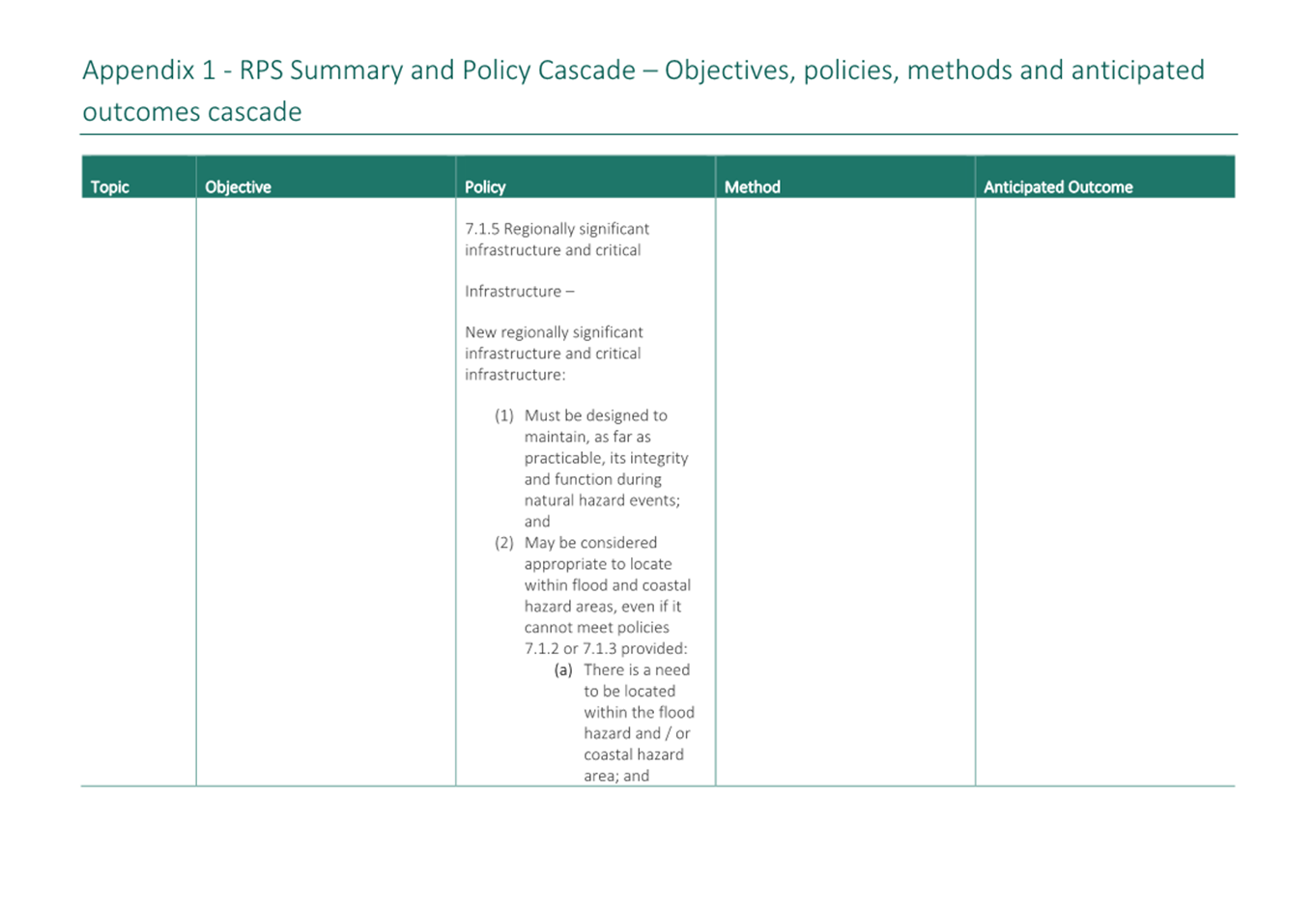
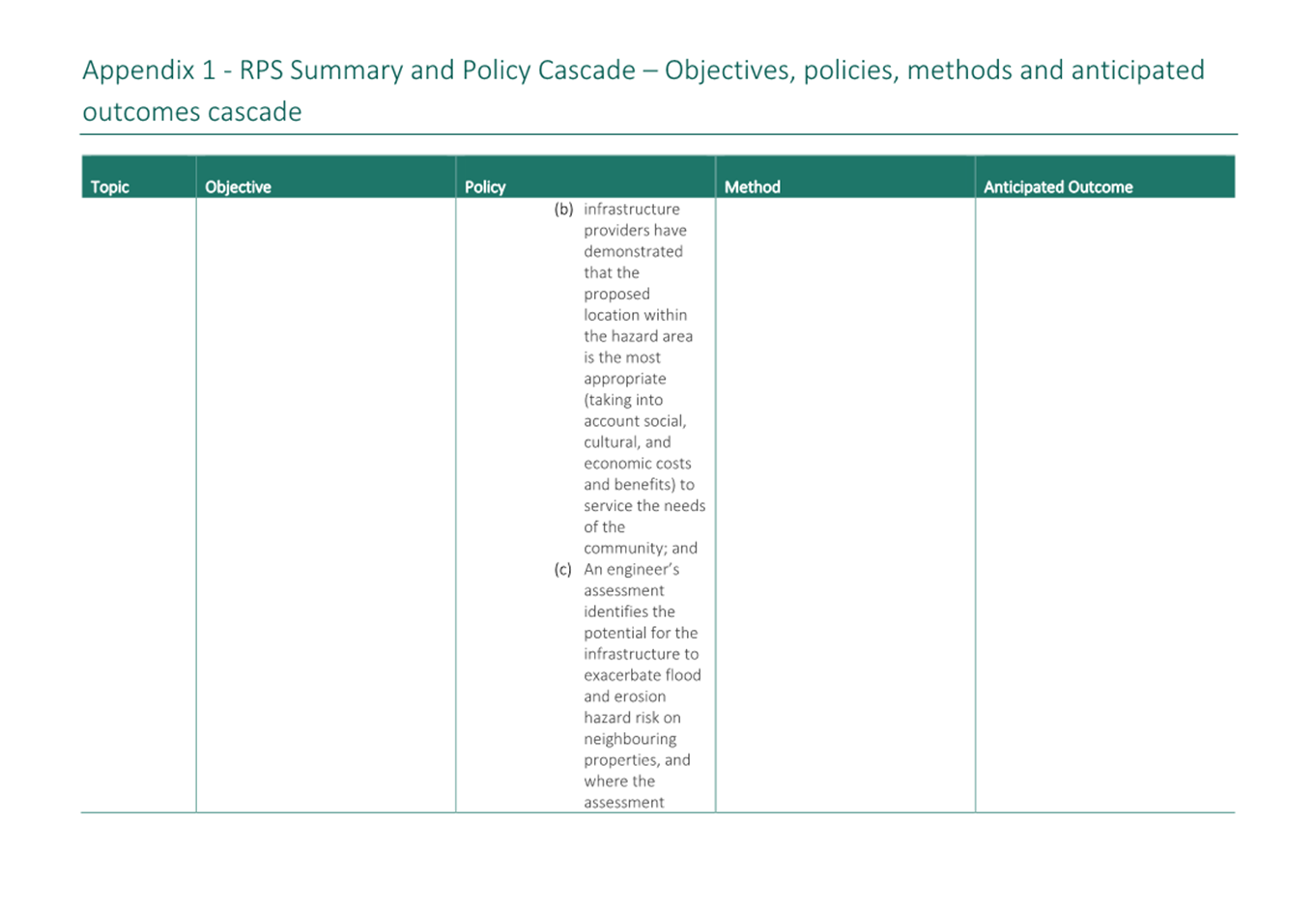
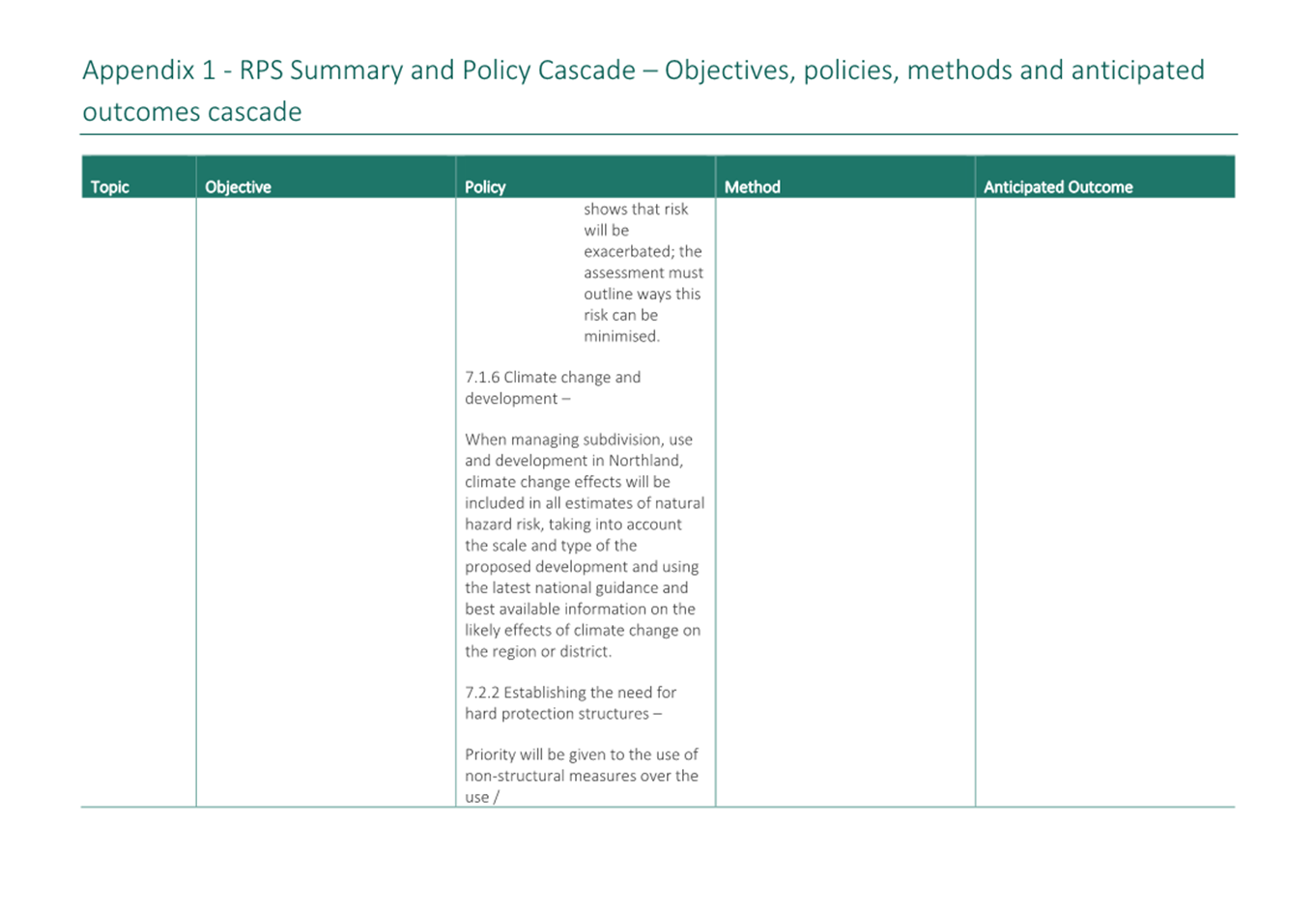
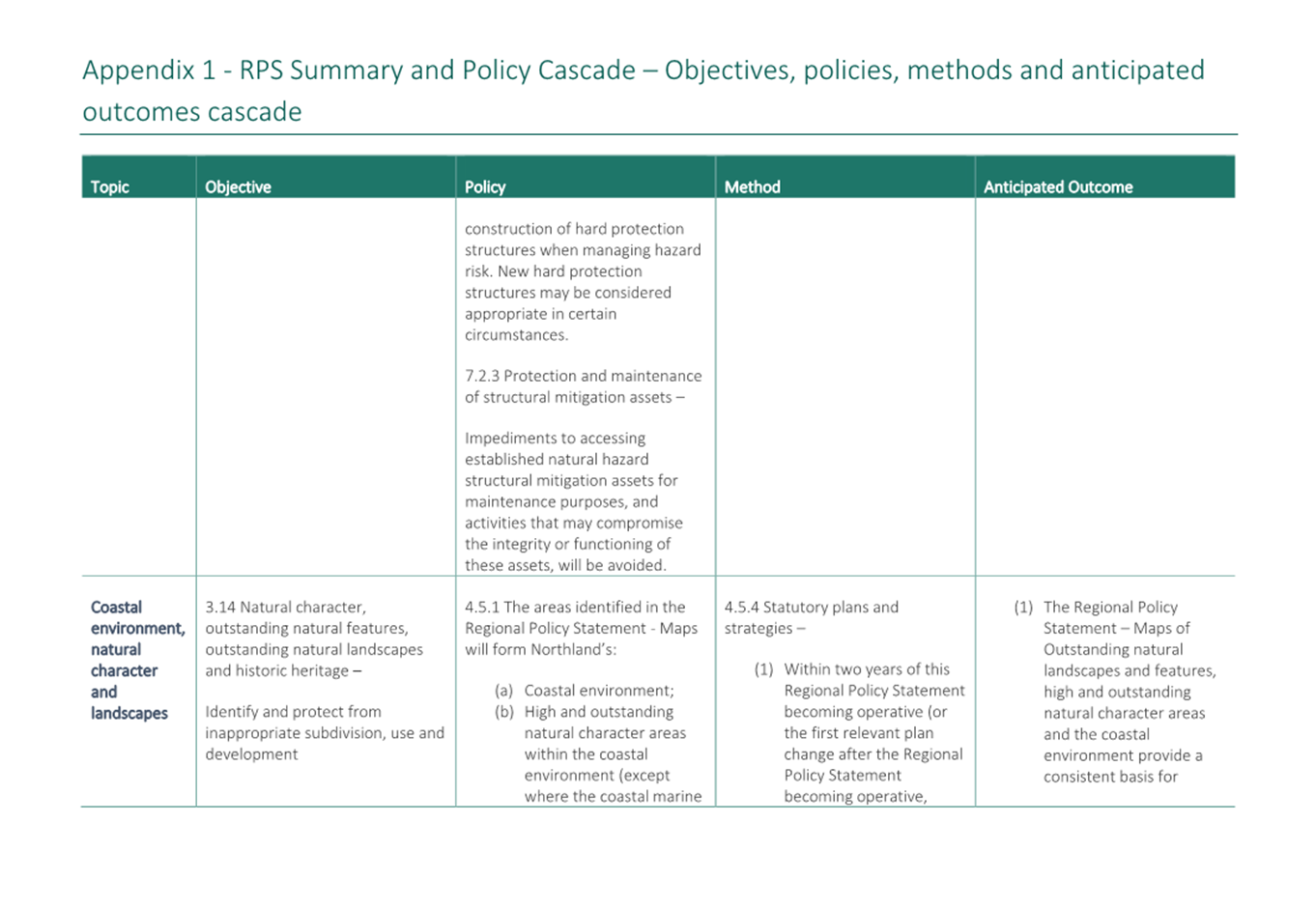
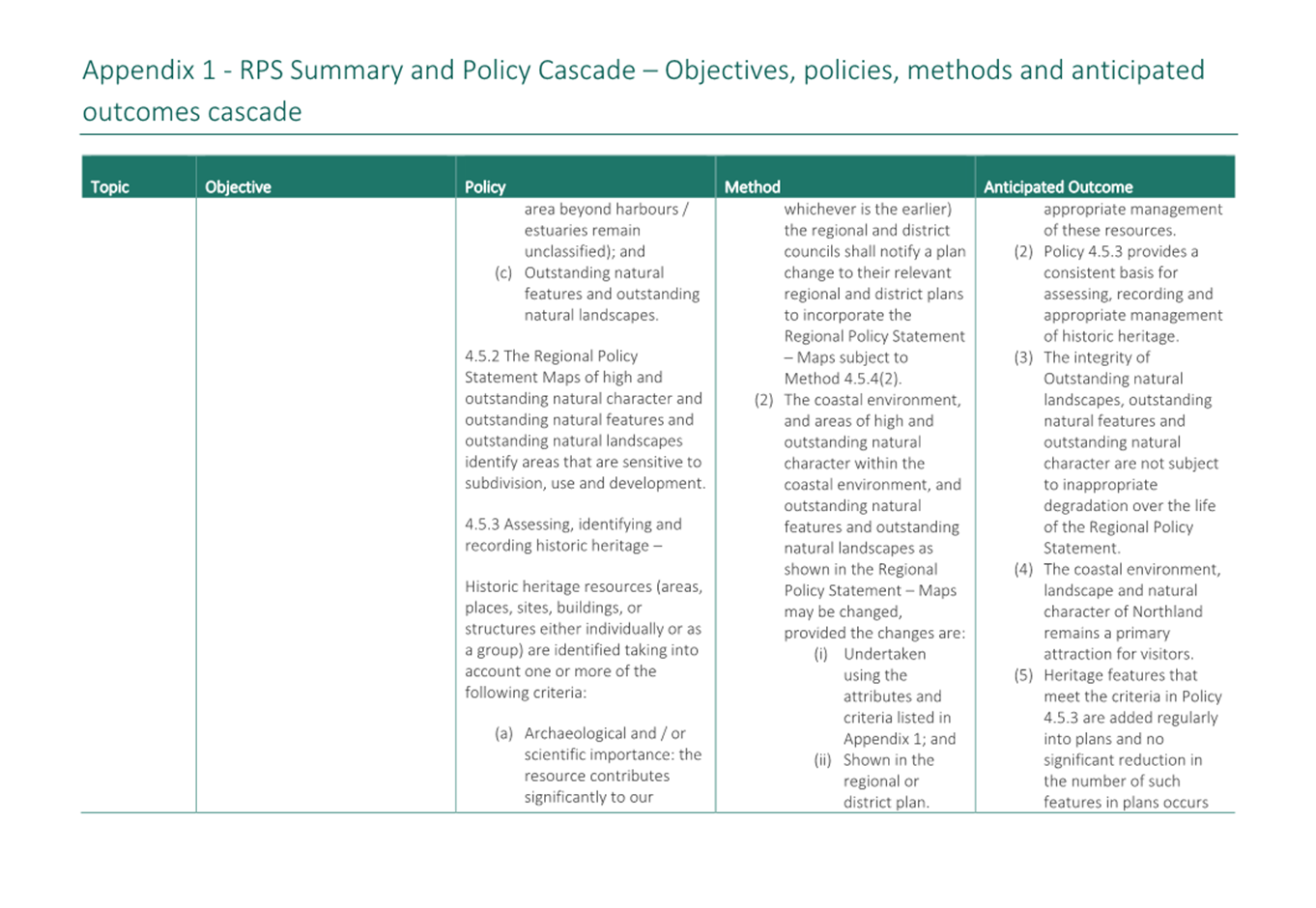
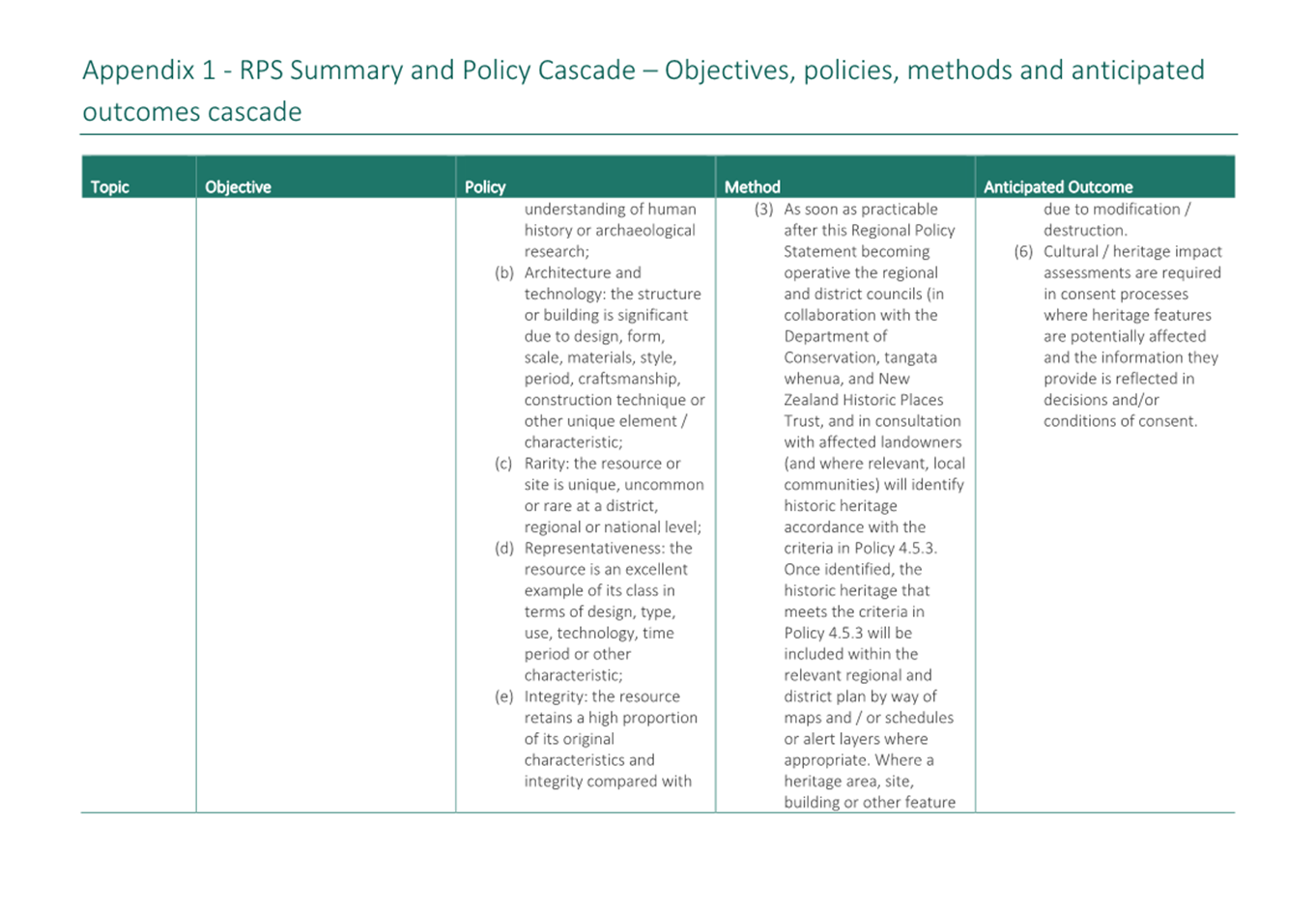
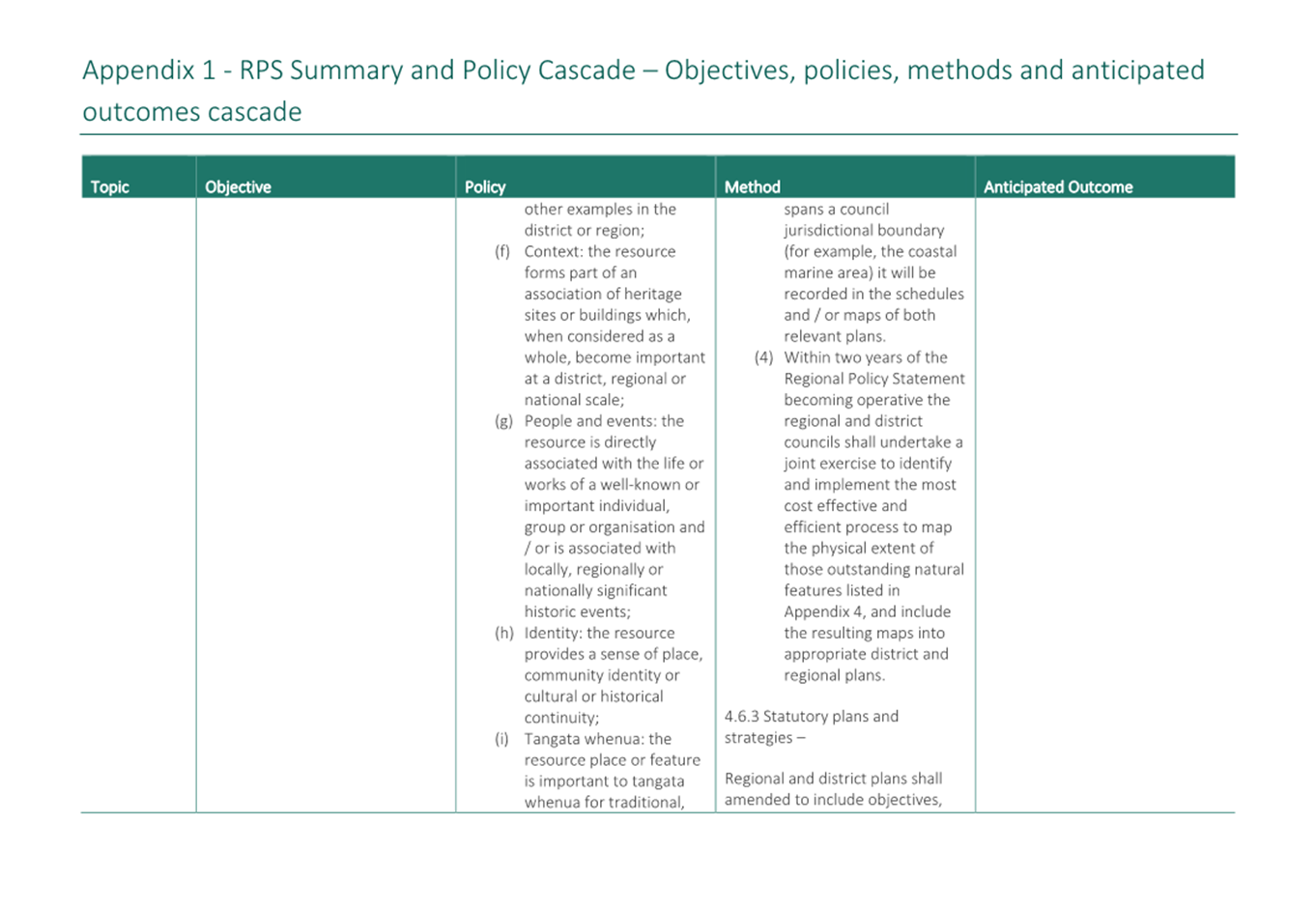
Section 35 of the Resource Management Act 1991 requires council to undertake an efficiency and effectiveness review of the Regional Policy Statement (RPS). A draft review has been undertaken in consultation with council staff, the district council’s and the Department of Conservation (Refer Attachment 1). In addition, a review of the Climate Change provisions in the RPS has been undertaken by Tonkin and Taylor against the current national policy plus NRC’s climate change strategy (Refer Attachment 2). Barker and Associates have worked with council’s Māori Technical Advisory Group (MTAG) to undertake a review of the RPS from a tangata whenua perspective (Refer Attachment 3). The information gathered in these reviews has been incorporated into the draft report.
Five years is a short timeframe for determining any environmental outcomes related to the RPS provisions. Two of the district councils are still in the process of updating their district plans to reflect the RPS direction, meaning that currently the RPS has not been fully given effect to. The review is by necessity a high-level overview.
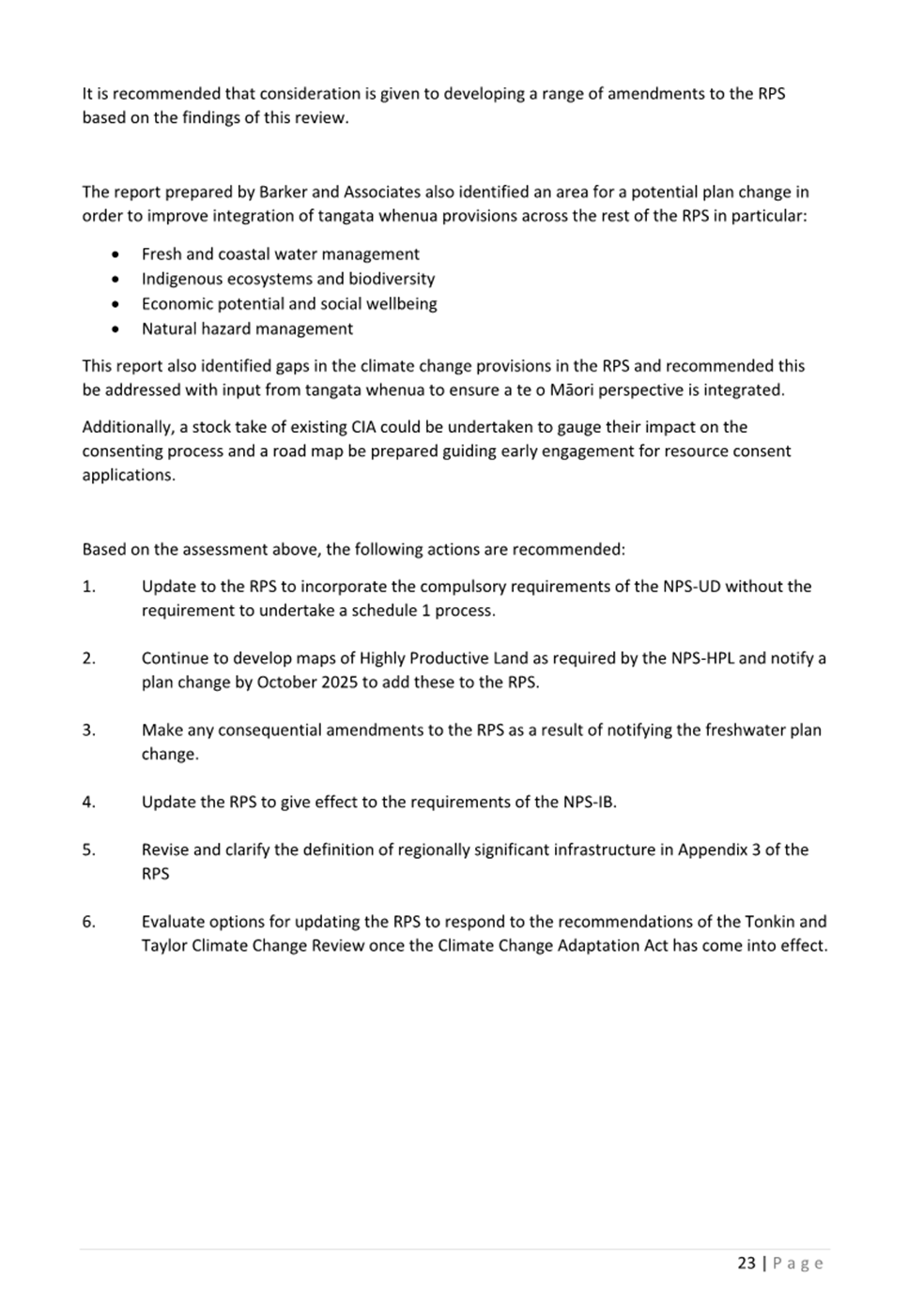
The review notes some areas for compulsory change required by national direction as well as areas such as climate change provisions where there are gaps that could be addressed; however, these changes are not compulsory. Given the fluidity and pace of change in the current legislative environment, it is recommended that council wait for the finalisation of the new planning regime before considering further amendments to the RPS.
Section 35 of the RMA requires council to prepare a review and make the findings available to the public. There is no requirement for public consultation during the preparation of the report. Although the review found a number of areas of the RPS that could be amended, the benefits of any such review are limited given the time and resource requirements associated with such a review, the changes underway to the resource management system as a whole, and the fact that a new RPS is required by 2026 (assuming it remains part of the transitional arrangements under the new resource management legislation). The staff recommendation is that subject to any amendments from the workshop, the review report is finalised and published on the council's website.
1. That the report “Draft Review of the Regional Policy Statement” prepared by Ingrid Kuindersma, Policy Planner be received.
2. That the working party support the finalisation of the draft report and recommend to council that the RPS review report is adopted for publication on the council website.
Attachment 1:
Draft Regional Policy Statement Review ⇩
Attachment 2:
Tonkin & Taylor Climate Change Review ⇩
Attachment 3: Barkers Report - Tangata
Whenua Perspective ⇩
29 August 2023
|
TITLE: |
Poplar and Willow Nursery Investment Options |
|
From: |
Lester Bridson, Land Programme Manager |
|
Authorised by Group Manager/s: |
Ruben Wylie, Pou Tiaki Taiao, on 22 August 2023 |
Whakarāpopototanga / Executive summary
The council nursery is sited in a location with numerous constraints impacting production including soil wetness, size and the activity of Kiwi Rail. By investing in land and infrastructure improvements it is possible to increase production from the remaining site however not to the level needed to meet forecast future demand.
Making the decision to invest in another site will have implications, requiring additional capital to be raised through either borrowing, rates or the sale of existing land. The existing nursery site is unsuitable for sale at present as buyers are unlikely to look favourably on the terms of sale required by KiwiRail.
The purpose of this paper is to seek endorsement from the Natural Resources Working party in respect of a preferred investment option.
1. That the Natural Resources Working Party Endorse Option 1 as set out in this report which involves committing to remaining at existing nursery site and investing in re-planting stool beds and developing infrastructure using existing capital budgets.
Background/Tuhinga
In 2007, council purchased land at Flyger road Mata, to support the development of a new railway line connecting the North Island Main Trunk line to Marsden point (Marsden Point Rail Link). In subsequent years, with little progress occurring towards the development of this rail link, council developed a poplar and willow nursery on parts of this land with the aim to supply poplar and willow poles to landowners with erosion prone land. From 2013 - 2020 the nursery grew to meet demand and now covers 16ha (13ha productive) with a current annual production of approximately 4000-5000 3m poles (2018-2022 average) alongside other grades of material. It should be noted that the current production is from blocks 1-3 only, as the remaining blocks (4-15) have been planted but have not completed their first rotation yet.
In May 2020, Council supported the sale of parts of the land now utilised by the nursery to NZ Rail Corporation (KiwiRail) and this sale was completed in June 2020.
This effectively reduced the area of the nursery owned by NRC to 11ha, of which a further 2ha is designated as ‘Laydown Area’ for exclusive use by KiwiRail during the construction phase of the Rail Link, estimated to be 4 years. Table 1 below provides a summary of estimated future production area in light of these constraints. This further reduces the productive area of the nursery down to 6ha once work on the Rail Link begins. Figures 1 and 2 show the location of the KiwiRail development area.
Table 1 – Breakdown of existing and future land use at Poplar Nursery
|
Breakdown of land use at NRC Poplar Nursery |
|
|
Total Existing Productive nursery area (as of July 2023) |
13ha |
|
Productive nursery land purchased by KiwiRail (temporarily leased back by NRC) |
5ha |
|
Productive nursery land to be occupied by KiwiRail (Laydown Area / yard space) - for exclusive use by KiwiRail during construction (but still owned by NRC*) |
2ha |
|
Future Productive nursery area (as of October 2024) ** |
6ha |
* The right for KiwiRail to occupy this land extends only for the duration of the Marsden point Spur construction period however, there is no limit or expiry on how long this work will take. As Council has no control over when or how long KiwiRail will occupy the Laydown area, production potential from this area is excluded from all subsequent production estimates in this paper.
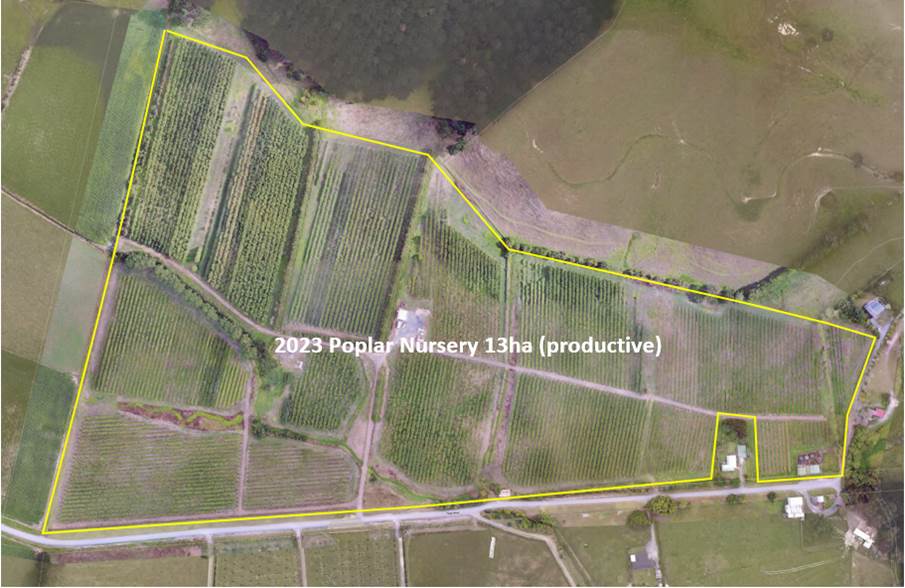
Figure 1. Existing nursery site (as of July 2023)
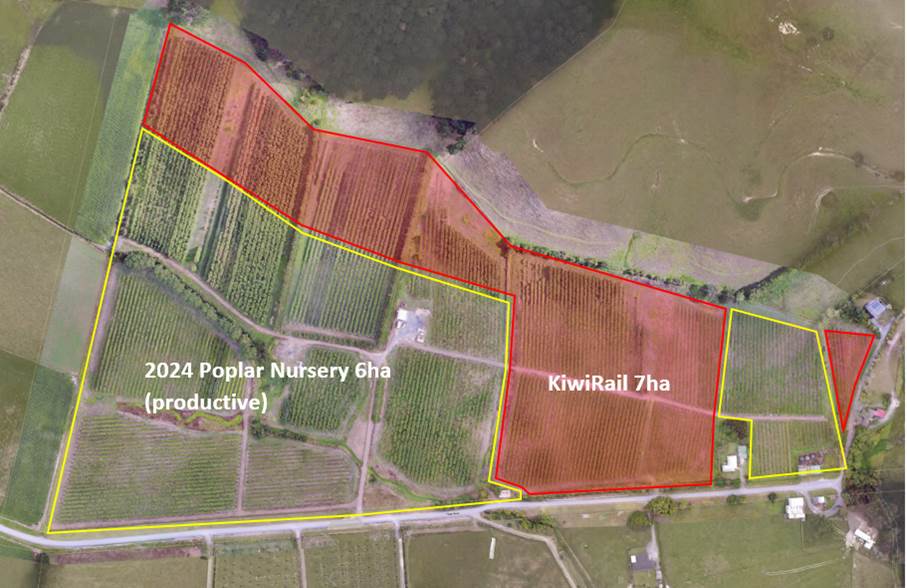
Figure 2. Future nursery area
With this in mind, and with demand for soil conservation trees forecast to grow, council budgeted $1.27M CAPEX into the 2021-2031 Long Term Plan specifically for the expansion of this nursery through the purchase and development of additional land.
At that time, it was anticipated that council would be able to acquire adjoining land from KiwiRail under clause 13 of the Transfer of Land Agreement which provided council with Right of Refusal to Purchase Adjoining Land within 3 years of completion of the Rail Link. However, this Right of First Refusal is not absolute, and is subject to statutory offer back obligations under the Public Works Act (i.e., KiwiRail must first offer unused land back to the former owner). KiwiRail has yet to progress land purchases with the adjoining landowners, however discussions with KiwiRail staff suggest that the existing owners of the adjoining land intend to retain all un-used land, meaning it is highly unlikely that additional adjoining land will become available through the Rail Corridor project.
Recently, KiwiRail staff have indicated that all land acquisitions and detailed design works are forecast to be completed by mid-2024, at which point accurate rail construction costing and timeframes will be available for central government to make investment decisions.
Implications on production
The future loss of productive land at the nursey, coupled with the low likelihood of acquiring suitable adjoining land will significantly reduce the production potential of the nursery and may result in an inability for NRC to meet current or future demands for soil conservation trees.
This shortage of supply will be further magnified as both the Fresh Water Plan Change and Fresh Water Farm Plans are likely to put an increased focus on the management of erosion prone land. In addition, the Kaipara Moana Remediation programme will be supporting the use of silvo-pasture, primarily poplars, as part of their erosion mitigation approach through-out the Kaipara, with the NRC nursery being identified as a likely supplier of this material.
To help understand the options available to address this supply issue, staff commissioned a business case in early 2022 to consider how best to invest in the site given the constraints.
Due to the reduced size of nursery, the uncertainty around railway construction timeframes and land suitability issues experienced at the current site, (i.e., waterlogged soils), the business case recommended purchasing a new site and shifting the entire nursery to a more favourable location.
However, with the steep increase in property values between 2020 and 2022, the $1.27M allocated for land purchase through the LTP was no longer considered sufficient to purchase quality land and the development of critical infrastructure to start a new nursery at the scale required.
Subsequently, in May 2022 elected members supported a proposal to invest a proportion of funding set aside for land purchase ($200K) into improving production from the current site.
The key actions identified [1] that would support an increase in production at the current site were:
1. Improve drainage
2. Reduce stocking rates
3. Diversify variety/clonal mix
4. Improve soil pH
5. Fertiliser application
6. Improve harvest efficiency & site condition
In line with these actions, investment during the 2022-23 year has focused on the purchase of critical machinery, infrastructure improvements and drainage work.
The 2021-2031 LTP had forecast pole production to reach 25,000 poles by 2030/31 season. Considering loss of productive land area and the improvements to date, the revised production target in 2030/31 is 6876 poles, with an 8-year average of 8097 (pole production varies between years as blocks re-grow following harvest).
Table 2 – Revised pole production (based on hypothetical mid- 2024 KiwiRail start date).
|
Forecast number of 3m poles provided for erosion prone land from NRC nursery |
|
||||||||
|
LTP year |
2023/24 |
2024/25 |
2025/26 |
2026/27 |
2027/28 |
2028/29 |
2029/30 |
2030/31 |
Average |
|
Revised target (considering reduced nursey land area) |
9324 |
6876 |
4932 |
13167 |
5508 |
6300 |
11799 |
6876 |
8097 |
Investment options
With production forecast to fall well short of predicted demand due to the loss of land at the nursery site, three investment options have been identified for discussion.
Option 1 – Commit to remaining at existing site and invest in re-planting stool beds and developing infrastructure.
Commit to remaining at the existing site and invest heavily to increase production of the remaining land area utilising $680,458 of the CAPEX (set aside for land purchase). The remaining $389,000 would be maintained for the purpose of purchasing small areas of adjoining land if the opportunity arose. Works would include installing irrigation across the nursery, refreshing all stool beds, introducing new varieties, improved soil fertility, drainage, and staff facilities. Of particular note is the introducing new varieties which will greatly increase pole survival by enabling a greater diversity of cultivars better optimised to the Northland region. Recent investigations into the survival of Kawa (which is currently the predominant cultivar at the nursery) have indicated that it has major limitations as a soil conservation tree in Northland.
This option also optimises productivity at the current site by speeding up production (decreasing rotation length, thus improving tree quality and survival in the field). This option also ensures adequate staff facilities, meeting requirements set out in a recent H&S audit.
|
Forecast number of 3m poles provided for erosion prone land from NRC nursery |
|
||||||||
|
LTP year |
2023/24 |
2024/25 |
2025/26 |
2026/27 |
2027/28 |
2028/29 |
2029/30 |
2030/31 |
Average |
|
Forecast pole production under Option 1 |
12921 |
9455 |
6783 |
17277 |
7574 |
8664 |
15396 |
9455 |
10,940 |
Option 2 – Improve growing conditions of existing cultivars and retain some budget for future land acquisition.
Invest less heavily into the current nursery site, keeping options open to relocate in the future, utilising a smaller portion ($367,614) of the CAPEX set aside for land purchase to invest in up-grades. The remaining $702,000 would be maintained for the purpose of purchasing adjoining land or contributing to the purchase of a new site when the opportunity arose. Up-grade works would focus on improved drainage and staff facilities but no investment in irrigation or replacement of stool beds.
This option utilises existing stool beds and looks to increase production primarily through better site conditions (drainage and fertility). Note that although the production figures are higher compared to Option 1, this option will not enable the production of new, better suited cultivars and will instead use existing, predominantly kawa, root stock. Furthermore, existing stool beds are currently overstocked, often leading to high reject rates. Ultimately, although average production is slightly higher under Option 2 (compared to option 1) fewer poles will meet harvest standards and the material produced will be less suited to the broad range of Northland conditions than option 1.
|
Forecast number of 3m poles provided for erosion prone land from NRC nursery |
|
||||||||
|
LTP year |
2023/24 |
2024/25 |
2025/26 |
2026/27 |
2027/28 |
2028/29 |
2029/30 |
2030/31 |
Average |
|
Forecast pole production under Option 2 |
15540 |
11460 |
8220 |
19195 |
9180 |
10500 |
16915 |
11460 |
12,808 |
Option 3 – Commit to finding new nursery site, investing only in essential H&S improvements.
Invest in essential H&S upgrades ($40K) only at existing site. Use the remaining $1.03M to purchase a new nursery site, with an estimated additional $250K-$550K capital needing to be raised, either through borrowing, rates increase, or through the sale of existing properties (or combination).
This option would allow for the development of a new nursey in a more suitable location whilst using the existing nursery to harvest material to meet current demand. Once the new nursery was fully established and the rail corridor complete, the existing Flyger Road properties could be sold to repay any funds borrowed.
No production estimate has been provided for this option as production would depend upon the size, location and development timescale of any potential land although potential sites have been identified.
Summary of options
A relative comparison of investment options is provided in Table 2 below. In brief, Option 3 will provide the greatest return with regard to outcomes, however it has the highest investment costs and there is presently no budget to implement this option. Option 2 will limit the quality of material and therefore a reduced environmental outcome but has the lowest cost. Option 1 will provide improved material and can be delivered within the current budget but commits the nursery to the current location.
|
Comparison summary of investment options |
|||
|
Outcome |
Option 1 |
Option 2 |
Option 3 |
|
Retains potential to re-locate / expand nursery |
|
|
|
|
Provides diverse range of varieties to suit range or growing sites |
|
|
|
|
Creates ability to meet forecast demand |
|
|
|
|
Provides certainty of quality supply |
|
|
|
|
Lowest immediate cost
|
|
|
|
Recommended Option
Staff recommend Option 3 - Commit to finding new nursery site and investing only in essential H&S improvements at the current site.
Although there are challenges associated with acquiring the necessary capital, this is the only option that will meet forecast demand as outlined in the 2021-2031 LTP.
The poplar nursery is a strategic investment in supporting landowners mitigate erosion and improving landscape resilience to climate change. The current nursery site has multiple constraints, both regarding size and environmental.
It is located within in a flood hazard zone, meaning even with improved drainage the soil type (Waipu clay) has no natural drainage and will always be wet increasing the risk of poor production and windthrow, as demonstrated during storms earlier this year. Rising sea levels and increased storm intensity mean the current nursery will be more exposed to flood and wind damage in future.
Staying at the current location has on-going costs. Currently Council is leasing back 2ha of the nursery sold to KiwiRail as this contains the most productive blocks and produces the majority of material supplied. The cost of servicing this existing lease could be put towards servicing a loan if Option 3 was adopted.
Furthermore, the recent drop in demand for rural land means suitable properties are becoming available close to the 2021-2031 LTP budget allocation. An estimated additional $250-$550k would be needed to support Option 3.
The next preferred option is Option 1 - Commit to remaining at existing site and invest in re-planting stool beds and developing infrastructure. Although there are a number of residual risks associated with this option in (as outlined above), Option 1 will enable the existing nursery area to be optimised to get the best out of the existing site within current budgets.
Nil
Natural Resources Working Party item: 4.5
29 August 2023
|
TITLE: |
Terms of Reference Review |
|
From: |
Ruben Wylie, Pou Tiaki Taiao |
|
Authorised by Group Manager/s: |
Ruben Wylie, Pou Tiaki Taiao, on 21 August 2023 |
Whakarāpopototanga / Executive summary
As part of the establishment of the council working parties, it was determined that the terms of The Terms of reference of the respective working parties would be reviewed are to be reviewed within six months of the working party establishing. The purpose of agenda item is to seek feedback the Natural Resources Working Party in respect of the operation of the Working Party and whether there are any matters that should be taken into account as part of the review process. This feedback will be brought to the Chief Executive Officer consideration alongside the Executive Leadership Team as part of a wider review of the Terms of Reference. Should any changes be deemed necessary, these will be brought to full council for consideration.
1. That the Natural Resources Working Party provide feedback in respect of the operation of the Working Party and its terms of reference.
2. That any feedback be noted and provided to the Chief Executive Officer
Background/Tuhinga
Not applicable.
Attachment 1: Natural Resources Working
Party Terms of Reference ⇩
29 August 2023
|
TITLE: |
Whangārei harbour algae bloom update |
|
From: |
Jason Donaghy, Natural Resources Monitoring Manager |
|
Authorised by Group Manager/s: |
Ruben Wylie, Pou Tiaki Taiao, on 22 August 2023 |
Whakarāpopototanga / Executive summary
The attached report provides an overview of the algae bloom that impacted the Whangārei harbour April 2023.
1. The report ‘Whangārei harbour algae bloom update’ by Richard Griffith, Coastal Scientist and Jason Donaghy, Natural Resources Monitoring Manager and dated 21 August 2023, be received.
Background/Tuhinga
A significant algae bloom occurred in the Whangārei harbour on April 2023. Due to the large scale of the bloom a media release was drafted to inform the public of the potential health risk. Prior to the media release, Council reached out and met with hāpu within the impacted area to provide them with a debrief before the information was released publicly.
Hāpu were keen to better understand the key cause of the algae bloom. Over the preceding weeks after bloom subsided, the Council Coastal scientist investigated possible drivers and complied a report for Hāpu. Given the harbour is situated close to a city it is difficult to determine the exact cause, the report lists three possible causes:
1. High nutrients in the Hātea river.
2. Water waste overflow.
3. Dredging
The attached report provides the detailed finding.
Attachment 1: Whangārei harbour
algae bloom update ⇩
[1] Braaksma, S. (2022). Northland Regional Council Poplar and Willow Nursery. Review commissioned by NRC, Whangārei.