|
Huihuinga O Te Kāhui Māori O Taitokerau Thursday 14 May 2026 at 11.00am
|
|
|
|
|
|
Huihuinga O Te Kāhui Māori O Taitokerau Thursday 14 May 2026 at 11.00am
|
|
|
|
|
14 May 2026
Rārangi Take O Te Kāhui Māori O Taitokerau
(Te Ruarangi Agenda)
Meeting to be held in the Council Chamber
36 Water Street, Whangārei and via audio visual link
on Thursday 14 May 2026, commencing at 11.00am
Please note: working parties and working groups carry NO formal decision-making delegations from council. The purpose of the working party/group is to carry out preparatory work and discussions prior to taking matters to the full council for formal consideration and decision-making. Working party/group meetings are open to the public to attend (unless there are specific grounds under LGOIMA for the public to be excluded).
NGĀ MANA WHAKAHAERE
(MEMBERSHIP OF TE RUARANGI)
Heamana Tokorua (Co-Chairs):
Arama Morunga, Councillor and Nyze Manuel, Te Rūnanga O Whaingaroa
Councillor Amy Macdonald
Councillor Colin Kitchen
Councillor Geoff Crawford
Councillor Jack Craw
Councillor Joe Carr
Councillor John Blackwell
Councillor John Hunt
Councillor Pita Tipene (NRC Chair)
Kahukuraariki Trust Board, Geraldine Baker
Ngāti Hau, Mike Kake
Ngāti Hine, Jaycee Tipene-Thomas
Ngāti Kuta, Michelle Elboz
Ngāti Manu, Hon Kelvin Davis
Ngāti Tara, Mahue Greaves
Ngātiwai Trust Board, Aperahama Edwards
Patuharakeke Iwi Trust Board, Juliane Chetham
Te Parawhau Hapū Authority Charitable Trust, Mira Norris
Te Roroa, Delilah Te Aōrere Parore-Southon
Te Rūnanga Nui o Te Aupōuri, Niki Conrad
Te Rūnanga O Ngāti Rehia, Kipa Munro
Te Rūnanga o Ngāti Whātua, Ihapera Paniora
Te Rūnanga o Te Rarawa, Abe Witana
Te Rūnanga-Ā-Iwi-O-Ngāpuhi, Janelle Beazley
Te Uri o Hau Settlement Trust, Georgina Connelly
Te Waiāriki, Ngāti Korora, Ngāti Takapari, Arvay Armstrong-Read
Te Whakaminenga o te Hikutu Hapū-Whanau Lynette Wharerau
Te Whakapiko Hapū, Rowan Tautari
|
Commonly used terms and abbreviations |
|
|
AP |
Annual Plan |
|
CEO |
Chief Executive Officer |
|
CPCA |
Community Pest Control Areas |
|
DOC |
Department of Conservation |
|
FNDC |
Far North District Council |
|
GIS |
Geographic Information System |
|
IHEMP |
Iwi/Hapū Environmental Management Plan |
|
ILGACE |
Iwi and Local Government Chief Executives Forum |
|
KDC |
Kaipara District Council |
|
LAWA |
Land, Air, Water Aotearoa |
|
LEA |
Local Electoral Act 2001 |
|
LGA |
Local Government Act 2002 |
|
LGNZ |
Local Government New Zealand |
|
LIDAR |
Light detection and ranging |
|
LTP |
Long Term Plan |
|
MBIE |
Ministry of Business, Innovation & Employment |
|
MfE |
Ministry for the Environment |
|
MOT |
Ministry of Transport |
|
MPI |
Ministry for Primary Industries |
|
MTAG |
Māori Technical Advisory Group (a sub-group of Te Ruarangi) |
|
NES |
National Environmental Standards |
|
NINC |
Northland Inc. Limited |
|
NIWA |
National Institute of Water and Atmosphere |
|
Non-elected member (Te Ruarangi) |
One of the up to twenty-one appointed iwi and hapū members from Te Taitokerau. Members are appointed in accordance with the Terms of Reference. |
|
NPS |
National Policy Statement |
|
NPS-FM |
National Policy Statement for Freshwater Management |
|
RMA |
Resource Management Act 1991 |
|
RP |
Regional Plan |
|
Te Ruarangi caucus |
Comprises the non-elected iwi and hapū members of Te Ruarangi |
|
TKoT |
Te Kahu o Taonui (Iwi Chairs) |
|
TOR |
Terms of Reference |
|
TPK |
Te Puni Kōkiri (Ministry of Maori Development) |
|
TTMAC |
Taitokerau Māori and Council Working Party (former name of Te Ruarangi) |
|
TTNEAP |
Tai Tokerau Northland Economic Action Plan |
|
TWWAG |
Tāngata Whenua Water Advisory Group |
|
WDC |
Whangarei District Council |
KARAKIA / WHAKATAU
RĪMITI (ITEM) Page
1.0 Ngā Mahi Whakapai/Housekeeping
2.0 NGĀ WHAKAPAHĀ/apologies
3.0 NGA WHAKAPUAKANGA/declarations of interest
4.1 Record of Actions – 12 March 2026 4
4.2 Receipt of Action Sheet 9
4.3 Tāiki ē - Report on Priority Actions 12
4.4 Resource Consent Review Report - 12-month Action Plan 16
4.5 Final Draft - Te Ruarangi Terms of Reference 36
4.6 2026 Meeting Schedule 53
4.7 Resource Management and Local Government Reforms - advice from Māori Technical Advisory Group 55
4.8 Te Ruarangi - Te Touwai Marae, 9 April 2026 59
4.9 Chief Executive’s Report to Council 70
14 May 2026
|
TITLE: |
Record of Actions – 12 March 2026 |
|
From: |
Sally Bowron, Strategic Partnerships and Engagement Group Admin/PA |
|
Authorised by Group Manager/s: |
Auriole Ruka, Pou Manawhakahaere - Strategic Partnerships and Engagement, on 06 May 2026 |
Whakarāpopototanga / Executive summary
The purpose of this report is to present the Record of Actions of the last meeting (attached) held on 12 March 2026 for review by the meeting.
Attachments/Ngā tapirihanga
Attachment 1:
Unconfirmed Record of Actions - 12 March 2026 ⇩ 
14 May
2026
This page is a placeholder for a single page of a PDF attachment. It will be replaced by the actual PDF page when the PDF version of this document is generated.
Report: Record of Actions – 12 March 2026
Attachment: Unconfirmed Record of Actions - 12 March 2026
Page: 1
This page is a placeholder for a single page of a PDF attachment. It will be replaced by the actual PDF page when the PDF version of this document is generated.
Report: Record of Actions – 12 March 2026
Attachment: Unconfirmed Record of Actions - 12 March 2026
Page: 2
This page is a placeholder for a single page of a PDF attachment. It will be replaced by the actual PDF page when the PDF version of this document is generated.
Report: Record of Actions – 12 March 2026
Attachment: Unconfirmed Record of Actions - 12 March 2026
Page: 3
This page is a placeholder for a single page of a PDF attachment. It will be replaced by the actual PDF page when the PDF version of this document is generated.
Report: Record of Actions – 12 March 2026
Attachment: Unconfirmed Record of Actions - 12 March 2026
Page: 4
14 May 2026
|
TITLE: |
Receipt of Action Sheet |
|
From: |
Sally Bowron, Strategic Partnerships and Engagement Group Admin/PA |
|
Authorised by Group Manager/s: |
Auriole Ruka, Pou Manawhakahaere - Strategic Partnerships and Engagement, on 06 May 2026 |
Whakarāpopototanga / Executive summary
The purpose of this report is to enable the meeting to receive the current action sheet.
That the action sheet be received.
Attachments/Ngā tapirihanga
Attachment 1:
Action Sheet ⇩
14 May
2026
This page is a placeholder for a single page of a PDF attachment. It will be replaced by the actual PDF page when the PDF version of this document is generated.
Report: Receipt of Action Sheet
Attachment: Action Sheet
Page: 1
This page is a placeholder for a single page of a PDF attachment. It will be replaced by the actual PDF page when the PDF version of this document is generated.
Report: Receipt of Action Sheet
Attachment: Action Sheet
Page: 2
14 May 2026
|
TITLE: |
Tāiki ē - Report on Priority Actions |
|
From: |
Kim Peita, Māori Relationships Manager and Auriole Ruka, Pou Manawhakahaere - Strategic Partnerships and Engagement |
|
Authorised by Group Manager/s: |
Auriole Ruka, Pou Manawhakahaere - Strategic Partnerships and Engagement, on 08 May 2026 |
Whakarāpopototanga/Executive summary
The purpose of this report is to provide a regular progress update on the 31 actions within Tāiki ē – NRC Te Tiriti Strategic Intent and Implementation Plan. This update supports council’s commitment to transparency and accountability by outlining progress against key priorities and identifying what is being achieved across the programme.
Further updates have been provided in the action sheet attached pertaining to:
· Action 4 Mana Whakahono a Rohe agreements
· Action 6 Wananga Waiora 2026
· Action 9 Regulatory Services delivery
1. That the report ‘Tāiki ē - Report on Priority Actions’ by Kim Peita, Māori Relationships Manager and Auriole Ruka, Pou Manawhakahaere - Strategic Partnerships and Engagement and dated 29 April 2026, be received.
Tuhinga/Background
Tāiki ē sets out 31 actions with associated timeframes. Each action has been prioritised according to its expected contribution to delivering Te Kaupapa – the Mission.
Priority 1 – Actions with the potential to deliver significant impact and therefore requiring primary focus and resourcing. These actions are either:
· Underway – implementation has commenced and further work is required; or
· Commenced within 12 months – action initiation occurred within 12 months of the Plan’s adoption (by 26 July 2023), with a committed completion date.
Priority 2 – Actions expected to generate a moderate level of impact, to be progressed once Priority 1 actions are firmly underway. They are to be completed within three years of the Plan’s adoption, by 30 June 2025.
Priority 3 – Actions with comparatively lower impact, to be advanced after Priority 1 and 2 actions have commenced. To be completed in 3–10+ years as longer-term initiatives extending beyond year three.
Each action (1–31) identifies whether budget has been allocated or is required. This information will support NRC in determining funding needs through the Annual Plan or Long‑Term Plan processes. Where actions remain unbudgeted and funding is not secured, further discussion with Te Ruarangi will be required to confirm next steps.
Attachment 1:
Tāiki ē Priorities Report ⇩ 
14 May
2026
This page is a placeholder for a single page of a PDF attachment. It will be replaced by the actual PDF page when the PDF version of this document is generated.
Report: Tāiki ē - Report on Priority Actions
Attachment: Tāiki ē Priorities Report
Page: 1
This page is a placeholder for a single page of a PDF attachment. It will be replaced by the actual PDF page when the PDF version of this document is generated.
Report: Tāiki ē - Report on Priority Actions
Attachment: Tāiki ē Priorities Report
Page: 2
14 May 2026
|
TITLE: |
Resource Consent Review Report - 12-month Action Plan |
|
From: |
Colin Dall, Pou Whakaritenga - Group Manager Regulatory Services and Auriole Ruka, Pou Manawhakahaere - Strategic Partnerships and Engagement |
|
Authorised by Group Manager/s: |
Auriole Ruka, Pou Manawhakahaere - Strategic Partnerships and Engagement and Colin Dall, Pou Whakaritenga - Group Manager Regulatory Services, on 08 May 2026 |
Whakarāpopototanga/Executive summary
The purpose of this report is to present an update to Te Ruarangi on the 12-month Action Plan, which is based on the recommendations from the report “Tāiki ē – Regulatory Services Review – Resource Consent Process”, including completed actions and actions currently underway. This significant work programme is being guided by the Māori Technical Advisory Group (MTAG), and
efforts are in progress to develop tools that will make information more accessible for iwi, hapū, and
key stakeholders.
1. That the report ‘Resource Consent Review Report - 12-month Action Plan’ by Colin Dall, Pou Whakaritenga - Group Manager Regulatory Services and Auriole Ruka, Pou Manawhakahaere - Strategic Partnerships and Engagement and dated 4 May 2026, be received.
2. That Te Ruarangi be provided further updates on progress of the 12-month implementation plan to give effect to the report and recommendations.
Tuhinga/Background
The Tāiki ē – Regulatory Services Review – Resource Consent Process (the RC Report) was prepared by Barker & Associates (B&A) to review council’s resource consenting process in alignment with the requirements of Action 9 of Tāiki ē. The RC Report provided an in-depth analysis of the resource consent determination process, with a particular focus on how and when iwi and hapū are engaged prior to lodgement, during lodgement, and post-decision-making. It highlighted key issues and findings, alongside 11 key preliminary recommendations for improvement.
The final draft was endorsed by Te Taitokerau Māori and Council Working Party (TTMAC) on 12 September 2024. (Since that time, TTMAC has been renamed Te Ruarangi.) It was then presented to the Audit, Finance and Risk Committee whose key feedback included support for the Report, with emphasis on the importance of the iwi and hapū contact database, confidentiality of contact details, and the use of cultural impact assessment templates.
Following the Report’s release and its endorsement by NRC and Te Ruarangi (formerly TTMAC), NRC staff and B&A consultants prepared a 12-month Action Plan to implement the recommendations, with Māori Technical Advisory Group (MTAG) oversight. The Action Plan was presented at MTAG’s 23 January 2025 meeting and their feedback incorporated into the Action Plan.
During this process, overlaps and synergies were also identified with similar initiatives being undertaken by Te Kahu o Taonui. Te Kahu o Taonui has undertaken engagement with Taiao Practitioners to assess their ability to participate and respond effectively and efficiently to resource consents from FNDC. It was identified that their input and participation is hampered by a range of process and system issues, including but not limited to the following:
· Volume of resource consents
· Statutory timeframes
· Section 36A requirements[1]
· Cost recovery
· Relationships
· Cultural competency
· The understanding and application of iwi/hapū environmental management plans
· The consideration of sites of cultural significance
· Hard and soft infrastructure; and
· Capability and capacity.
Update – Overall Status
Most of the actions within the programme have been completed (65%), with several core process and governance improvements now embedded. A smaller number of actions are overdue or in progress, primarily where work is dependent on system changes (IRIS/GIS), regulatory reform timing, external consultation, or resourcing decisions.
Completed Actions
· Iwi and hapū contact database: Annual review processes are in place, engagement with iwi and hapū has occurred, and a centralised internal database (IRIS) is operational, with ongoing data cleansing required for duplicates.
· Regional Policy Statement (RPS) and Regional Plan (RP) tangata whenua provisions: Internal review and consultation with MTAG have been completed, with no plan changes progressed due to the “plan stop” in the Resource Management (Consenting and Other System Changes) Amendment Act 2025.
· Pre‑application process refinements: Pre‑application processes are in place, guidance has been published on the NRC website, communications to applicants have occurred, and monitoring is ongoing.
· Circulation of non‑notified resource consent decisions: Processes are implemented and operating, with decisions circulated to iwi and hapū by rohe and ongoing feedback considered.
· Māori hearing commissioners guidance: At the 13 March 2025 Te Ruarangi meeting, MTAG was asked to provide feedback on, and if needed develop amendments to, the framework for selecting and appointing RMA consent hearings commissioners. The guidance has since been developed, considered by the former Audit, Risk and Finance Committee, and approved by council.
· Hearing tikanga: Tikanga has been incorporated into hearing processes, frameworks are in place, and staff and commissioners have received training, with ongoing review.
Actions In Progress or Overdue
· Iwi and hapū spatial mapping: GIS viewer is now available; however, updating and verifying spatial data within IRIS, system testing, and staff training remain outstanding. This work is dependent on further GIS and system integration actions.
· Updating resource consent forms: Review and revision of consent forms to better address assessment of effects on tāngata whenua values remain deferred, pending RMA reform outcomes.
· Cultural Impact Assessment (CIA) templates: Revised templates have been drafted. Engagement with MTAG and finalisation of templates are nearing completion.
· Dedicated iwi and hapū consent support: Investigation into dedicated support (including feasibility, resourcing, and funding considerations) remains in progress, with further discussion required to determine an appropriate model.
· Timeframes for further information requests: Engagement with MTAG on agreed timeframes, integration into procedures, and staff training to be prioritised in regard to improving engagement with iwi and hapū.
Key Risks and Considerations
· Several actions are reliant on system capability (IRIS/GIS) and external consultation, which affects delivery timeframes.
· Some process changes are appropriately paused pending RMA reform clarity, particularly in relation to resource consenting.
· Further progress on resourcing‑related actions will require funding and governance decisions.
Next Steps
· Progress GIS and IRIS‑related tasks to embed iwi and hapū spatial information.
· Complete engagement and finalisation of CIA templates through M‑TAG.
· Advance discussions on dedicated iwi and hapū consent support and further information request timeframes.
· Resume deferred consent form updates once regulatory settings are clearer.
Attachment 1:
2025 03 05 council workshop Tāiki ē – RCR Action Plan ⇩ 
14 May
2026
This page is a placeholder for a single page of a PDF attachment. It will be replaced by the actual PDF page when the PDF version of this document is generated.
Report: Resource Consent Review Report - 12-month Action Plan
Attachment: 2025 03 05 council workshop Tāiki ē – RCR Action Plan
Page: 1
This page is a placeholder for a single page of a PDF attachment. It will be replaced by the actual PDF page when the PDF version of this document is generated.
Report: Resource Consent Review Report - 12-month Action Plan
Attachment: 2025 03 05 council workshop Tāiki ē – RCR Action Plan
Page: 2
This page is a placeholder for a single page of a PDF attachment. It will be replaced by the actual PDF page when the PDF version of this document is generated.
Report: Resource Consent Review Report - 12-month Action Plan
Attachment: 2025 03 05 council workshop Tāiki ē – RCR Action Plan
Page: 3
This page is a placeholder for a single page of a PDF attachment. It will be replaced by the actual PDF page when the PDF version of this document is generated.
Report: Resource Consent Review Report - 12-month Action Plan
Attachment: 2025 03 05 council workshop Tāiki ē – RCR Action Plan
Page: 4
This page is a placeholder for a single page of a PDF attachment. It will be replaced by the actual PDF page when the PDF version of this document is generated.
Report: Resource Consent Review Report - 12-month Action Plan
Attachment: 2025 03 05 council workshop Tāiki ē – RCR Action Plan
Page: 5
This page is a placeholder for a single page of a PDF attachment. It will be replaced by the actual PDF page when the PDF version of this document is generated.
Report: Resource Consent Review Report - 12-month Action Plan
Attachment: 2025 03 05 council workshop Tāiki ē – RCR Action Plan
Page: 6
This page is a placeholder for a single page of a PDF attachment. It will be replaced by the actual PDF page when the PDF version of this document is generated.
Report: Resource Consent Review Report - 12-month Action Plan
Attachment: 2025 03 05 council workshop Tāiki ē – RCR Action Plan
Page: 7
This page is a placeholder for a single page of a PDF attachment. It will be replaced by the actual PDF page when the PDF version of this document is generated.
Report: Resource Consent Review Report - 12-month Action Plan
Attachment: 2025 03 05 council workshop Tāiki ē – RCR Action Plan
Page: 8
This page is a placeholder for a single page of a PDF attachment. It will be replaced by the actual PDF page when the PDF version of this document is generated.
Report: Resource Consent Review Report - 12-month Action Plan
Attachment: 2025 03 05 council workshop Tāiki ē – RCR Action Plan
Page: 9
This page is a placeholder for a single page of a PDF attachment. It will be replaced by the actual PDF page when the PDF version of this document is generated.
Report: Resource Consent Review Report - 12-month Action Plan
Attachment: 2025 03 05 council workshop Tāiki ē – RCR Action Plan
Page: 10
This page is a placeholder for a single page of a PDF attachment. It will be replaced by the actual PDF page when the PDF version of this document is generated.
Report: Resource Consent Review Report - 12-month Action Plan
Attachment: 2025 03 05 council workshop Tāiki ē – RCR Action Plan
Page: 11
This page is a placeholder for a single page of a PDF attachment. It will be replaced by the actual PDF page when the PDF version of this document is generated.
Report: Resource Consent Review Report - 12-month Action Plan
Attachment: 2025 03 05 council workshop Tāiki ē – RCR Action Plan
Page: 12
This page is a placeholder for a single page of a PDF attachment. It will be replaced by the actual PDF page when the PDF version of this document is generated.
Report: Resource Consent Review Report - 12-month Action Plan
Attachment: 2025 03 05 council workshop Tāiki ē – RCR Action Plan
Page: 13
This page is a placeholder for a single page of a PDF attachment. It will be replaced by the actual PDF page when the PDF version of this document is generated.
Report: Resource Consent Review Report - 12-month Action Plan
Attachment: 2025 03 05 council workshop Tāiki ē – RCR Action Plan
Page: 14
This page is a placeholder for a single page of a PDF attachment. It will be replaced by the actual PDF page when the PDF version of this document is generated.
Report: Resource Consent Review Report - 12-month Action Plan
Attachment: 2025 03 05 council workshop Tāiki ē – RCR Action Plan
Page: 15
This page is a placeholder for a single page of a PDF attachment. It will be replaced by the actual PDF page when the PDF version of this document is generated.
Report: Resource Consent Review Report - 12-month Action Plan
Attachment: 2025 03 05 council workshop Tāiki ē – RCR Action Plan
Page: 16
This page is a placeholder for a single page of a PDF attachment. It will be replaced by the actual PDF page when the PDF version of this document is generated.
Report: Resource Consent Review Report - 12-month Action Plan
Attachment: 2025 03 05 council workshop Tāiki ē – RCR Action Plan
Page: 17
14 May 2026
|
TITLE: |
Final Draft - Te Ruarangi Terms of Reference |
|
From: |
Auriole Ruka, Pou Manawhakahaere - Strategic Partnerships and Engagement and Ruben Wylie, Pou Tiaki Taiao |
|
Authorised by Group Manager/s: |
Auriole Ruka, Pou Manawhakahaere - Strategic Partnerships and Engagement, on 08 May 2026 |
Whakarāpopototanga/Executive summary
This report presents the revised draft Terms of Reference (ToR) for Te Ruarangi for the 2025–2028 triennium, for Te Ruarangi to consider for endorsement and onward adoption by Council.
Te Ruarangi agreed in December 2025 to undertake a review of its ToR through a Review Group made up of the Co‑Chairs, iwi/hapū representatives and elected members, supported by senior staff.
At the formal meeting on 12 March 2026, Te Ruarangi did not endorse the draft ToR and directed the Review Group to further refine the draft, incorporating feedback from both the formal meeting and the iwi/hapū caucus, and to bring a revised version to the next formal meeting.
In response to Te Ruarangi’s direction, the Review Group met on 15 April 2026 to consider feedback from the March meeting and agree refinements to the draft ToR. The revised draft reflects the outcome of that meeting and is presented for Te Ruarangi consideration. Written feedback received subsequently has not been incorporated, but is summarised below for completeness and transparency.
1. That the report ‘Final Draft - Te Ruarangi Terms of Reference’ by Auriole Ruka, Pou Manawhakahaere - Strategic Partnerships and Engagement and Ruben Wylie, Pou Tiaki Taiao and dated 28 April 2026, be received.
2. That the attached revised draft Terms of Reference for Te Ruarangi for the 2025–2028 triennium be endorsed.
3. That Te Ruarangi recommend that Council adopt the Terms of Reference for Te Ruarangi for the 2025–2028 triennium, noting that minor formatting and grammatical refinements may be made prior to adoption, including updates to te reo Māori headings, where appropriate.
Tuhinga/Background
Te Ruarangi agreed in December 2025 to undertake a review of its Terms of Reference through a Review Group comprising the Co‑Chairs, iwi and hapū representatives, elected members and senior staff.
At the formal meeting on 12 March 2026, Te Ruarangi did not endorse the draft Terms of Reference and directed the Review Group to further refine the draft, incorporating feedback from both the formal meeting and the iwi and hapū caucus. Areas identified for further attention included:
· clearer language distinguishing representation and contribution
· alignment of MTAG and other working groups with Te Ruarangi
· clarification of appointments to joint committees and related roles
· improved visibility of the governance structure
· consideration of access to independent technical advice aligned with the Strategic Intent.
The Review Group met on 15 April 2026 to consider this feedback and agree refinements. The revised draft presented to this meeting reflects the matters agreed at that session.
Feedback
Additional written feedback was received following circulation of the 15 April 2026 Review Group draft. Minor corrections reflecting agreed decisions (e.g. terminology updates and cross-references) have been incorporated. Other key themes from this feedback are summarised below for completeness and transparency.
· the need for clear and consistent use of terminology, particularly the distinction between tangata whenua and iwi/hapū
· clarification that the non‑elected Co‑Chair proxy should be a primary member, for consistency
· consideration of including a glossary to support shared understanding of key terms used throughout the document (e.g. kaupapa‑based forum)
The written feedback also noted that the revised draft was clearer and better reflected the kōrero undertaken through the review process, and that it would support the work of Te Ruarangi for the remainder of the triennium and beyond.
Attachment 1:
Draft Te Ruarangi Terms of Reference – Revised by Review Group (15 April
2026) ⇩ 
14 May
2026
This page is a placeholder for a single page of a PDF attachment. It will be replaced by the actual PDF page when the PDF version of this document is generated.
Report: Final Draft - Te Ruarangi Terms of Reference
Attachment: Draft Te Ruarangi Terms of Reference – Revised by Review Group (15 April 2026)
Page: 1
This page is a placeholder for a single page of a PDF attachment. It will be replaced by the actual PDF page when the PDF version of this document is generated.
Report: Final Draft - Te Ruarangi Terms of Reference
Attachment: Draft Te Ruarangi Terms of Reference – Revised by Review Group (15 April 2026)
Page: 2
This page is a placeholder for a single page of a PDF attachment. It will be replaced by the actual PDF page when the PDF version of this document is generated.
Report: Final Draft - Te Ruarangi Terms of Reference
Attachment: Draft Te Ruarangi Terms of Reference – Revised by Review Group (15 April 2026)
Page: 3
This page is a placeholder for a single page of a PDF attachment. It will be replaced by the actual PDF page when the PDF version of this document is generated.
Report: Final Draft - Te Ruarangi Terms of Reference
Attachment: Draft Te Ruarangi Terms of Reference – Revised by Review Group (15 April 2026)
Page: 4
This page is a placeholder for a single page of a PDF attachment. It will be replaced by the actual PDF page when the PDF version of this document is generated.
Report: Final Draft - Te Ruarangi Terms of Reference
Attachment: Draft Te Ruarangi Terms of Reference – Revised by Review Group (15 April 2026)
Page: 5
This page is a placeholder for a single page of a PDF attachment. It will be replaced by the actual PDF page when the PDF version of this document is generated.
Report: Final Draft - Te Ruarangi Terms of Reference
Attachment: Draft Te Ruarangi Terms of Reference – Revised by Review Group (15 April 2026)
Page: 6
This page is a placeholder for a single page of a PDF attachment. It will be replaced by the actual PDF page when the PDF version of this document is generated.
Report: Final Draft - Te Ruarangi Terms of Reference
Attachment: Draft Te Ruarangi Terms of Reference – Revised by Review Group (15 April 2026)
Page: 7
This page is a placeholder for a single page of a PDF attachment. It will be replaced by the actual PDF page when the PDF version of this document is generated.
Report: Final Draft - Te Ruarangi Terms of Reference
Attachment: Draft Te Ruarangi Terms of Reference – Revised by Review Group (15 April 2026)
Page: 8
This page is a placeholder for a single page of a PDF attachment. It will be replaced by the actual PDF page when the PDF version of this document is generated.
Report: Final Draft - Te Ruarangi Terms of Reference
Attachment: Draft Te Ruarangi Terms of Reference – Revised by Review Group (15 April 2026)
Page: 9
This page is a placeholder for a single page of a PDF attachment. It will be replaced by the actual PDF page when the PDF version of this document is generated.
Report: Final Draft - Te Ruarangi Terms of Reference
Attachment: Draft Te Ruarangi Terms of Reference – Revised by Review Group (15 April 2026)
Page: 10
This page is a placeholder for a single page of a PDF attachment. It will be replaced by the actual PDF page when the PDF version of this document is generated.
Report: Final Draft - Te Ruarangi Terms of Reference
Attachment: Draft Te Ruarangi Terms of Reference – Revised by Review Group (15 April 2026)
Page: 11
This page is a placeholder for a single page of a PDF attachment. It will be replaced by the actual PDF page when the PDF version of this document is generated.
Report: Final Draft - Te Ruarangi Terms of Reference
Attachment: Draft Te Ruarangi Terms of Reference – Revised by Review Group (15 April 2026)
Page: 12
This page is a placeholder for a single page of a PDF attachment. It will be replaced by the actual PDF page when the PDF version of this document is generated.
Report: Final Draft - Te Ruarangi Terms of Reference
Attachment: Draft Te Ruarangi Terms of Reference – Revised by Review Group (15 April 2026)
Page: 13
This page is a placeholder for a single page of a PDF attachment. It will be replaced by the actual PDF page when the PDF version of this document is generated.
Report: Final Draft - Te Ruarangi Terms of Reference
Attachment: Draft Te Ruarangi Terms of Reference – Revised by Review Group (15 April 2026)
Page: 14
This page is a placeholder for a single page of a PDF attachment. It will be replaced by the actual PDF page when the PDF version of this document is generated.
Report: Final Draft - Te Ruarangi Terms of Reference
Attachment: Draft Te Ruarangi Terms of Reference – Revised by Review Group (15 April 2026)
Page: 15
14 May 2026
|
TITLE: |
2026 Meeting Schedule |
|
From: |
Auriole Ruka, Pou Manawhakahaere - Strategic Partnerships and Engagement |
|
Authorised by Group Manager/s: |
Auriole Ruka, Pou Manawhakahaere - Strategic Partnerships and Engagement, on 08 May 2026 |
Whakarāpopototanga/Executive summary
This report presents the proposed Te Ruarangi meeting schedule for the remainder of the 2026 calendar year. The proposed schedule aligns with the Te Ruarangi Terms of Reference, which provide for up to five formal meetings and five marae‑based hui each year, and supports delivery of Te Ruarangi kaupapa and the key strategic priorities of Tāiki ē.
2026 meetings to date:
· 19 February – formal meeting
· 12 March – formal meeting
· 9 April – marae-based meeting
· 12 May – formal meeting
Proposed meeting schedule - Remainder of 2026:
· 11 June – Wānanga Waiora (subject to confirmation)
· 9 July – Marae‑based strategic workshop (focused on Tāiki ē strategic priorities)
· 11 August – Marae‑based hui
· 10 September – Formal meeting
· 8 October – Marae‑based hui
· 12 November – Formal meeting
· 10 December – Marae‑based hui
This approach supports both formal governance functions and place‑based kōrero, and enables Te Ruarangi members, councillors and staff to engage collectively on matters of strategic importance to Taitokerau.
1. That the report ‘2026 Meeting Schedule’ by Auriole Ruka, Pou Manawhakahaere - Strategic Partnerships and Engagement and dated 30 April 2026, be received.
2. That the proposed meeting schedule for the remainder of the 2026 calendar year be endorsed
3. That Te Ruarangi notes the expressions of interest received from the following iwi and hapū to host marae‑based hui, and agrees that the timing and location of each hui will be worked through collaboratively with the hosts:
9 July – Marae‑based strategic workshop (Tāiki ē strategic priorities) ________________
11 August – Marae‑based hui _______________________________________________
8 October – Marae‑based hui _______________________________________________
10 December – Marae‑based hui ____________________________________________
Tuhinga/Background
The Terms of Reference (ToR) were revised and adopted by council at its formal meeting on 25 February 2025 in relation to meeting frequency and format as noted below:
Clause 14 of the Te Ruarangi terms of reference states:
“The working party will meet up to a maximum of 10 times a year. These will alternate between a formal meeting of the working party which will be held at the council’s office in Whangārei and workshops at marae focusing on local issues (i.e. up to five formal meeting and five marae-based workshops.)”
Te Ruarangi meetings are generally scheduled as follows:
1. Meetings and workshops are held on the second Thursday of the month and will avoid scheduling conflicts with Waitangi Day commemorations.
2. Formal meetings are held in Council Chambers, with the iwi and hapū caucus from 9.30 – 11.00am to assist iwi and hapū members to provide feedback on agenda items for the full Te Ruarangi meeting, and the full meeting with councillors commencing at 11.00am – 2.00pm. Members can join via audio-visual link.
3. Workshops are held on marae hosted by Te Ruarangi iwi and hapū members and council provides appropriate support and resources to assist with these marae-based workshops.
4. The meeting schedule is reviewed every 12 months to ensure that Te Ruarangi is able to advance the Whāinga/Key Objectives and optimise the benefits associated with marae-based workshops, including attendance and availability of Te Ruarangi members as it relates to the proposed meeting schedule.
Nil
14 May 2026
|
TITLE: |
Resource Management and Local Government Reforms - advice from Māori Technical Advisory Group |
|
From: |
Alison Newell, Policy Specialist; Justin Murfitt, Strategic Policy Specialist; Tami Woods, Policy and Planning Manager and Julian Hansen, Kaiārahi Kaupapa Māori - Senior Māori Technical Advisor |
|
Authorised by Group Manager/s: |
Ruben Wylie, Pou Tiaki Taiao, on 08 May 2026 |
Whakarāpopototanga/Executive summary
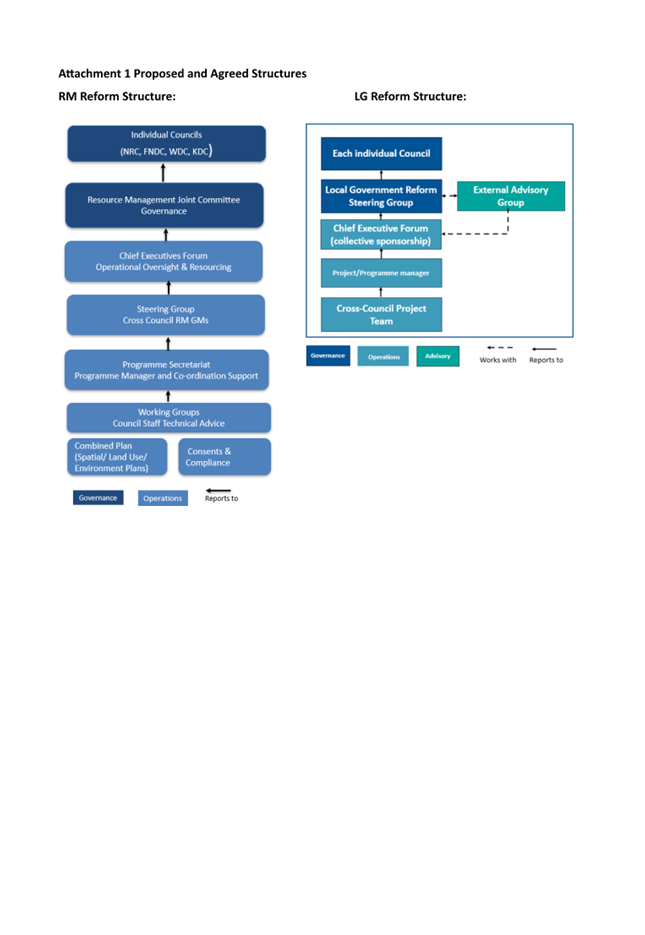
Taitokerau councils have been preparing for Resource Management (RM) and Local Government (LG) reforms, and have agreed to work collaboratively together (all four councils on RM reforms and Northland Regional Council (NRC), Whangarei District Council (WDC) and Far North District Council (FNDC) on LG reforms). This has included the Mayoral Forum agreeing in principle to establish a Resource Management Joint Committee (to oversee RM reforms) and the councils agreeing to establish a Local Government Reform Steering Group (to oversee LG reforms). The Joint Committee and the Steering Group will provide recommendations to each of the councils for decision-making. Councils are already making decisions about the governance and technical collaboration mechanisms required to progress RM and LG reforms given the compressed timeframes councils are likely to be working under.
At its 19 February meeting Te Ruarangi recommended “that staff support the Māori Technical Advisory Group (MTAG) to report back at the next Te Ruarangi hui with recommendations on options to ensure involvement of iwi and hapū as the councils work together to deliver both local government and resource management reform.”
MTAG has considered papers from NRC staff which identified options for input from tangata whenua at an operational level. While generally supportive of establishing a skills/experience based technical advisory group to provide Te Ao Māori advice to staff and councils, MTAG flagged that the governance arrangements for tangata whenua involvement are critical. This is something MTAG suggests be further discussed by Te Ruarangi and the co-chairs of the existing Māori working groups/parties: Te Ruarangi, Te Kārearea (WDC) and Te Kuaka (FNDC). MTAG also noted that there is currently no resourcing to support these discussions and subsequent advice to the respective councils. The limited resourcing was flagged as a critical challenge by MTAG members.
1. That the report ‘Resource Management and Local Government Reforms - advice from Māori Technical Advisory Group’ by Alison Newell, Policy Specialist; Justin Murfitt, Strategic Policy Specialist; Tami Woods, Policy and Planning Manager and Julian Hansen, Kaiārahi Kaupapa Māori - Senior Māori Technical Advisor and dated 28 April 2026, be received,
2. That Te Ruarangi endorse the option of establishing a cross council technical advisory group to enable involvement and input of tangata whenua representatives at a technical level to support both the resource management and local government reform processes
3. That Te Ruarangi note further work is required prior to the establishment of any cross-council Māori technical advisory group, including engagement with other councils and their associated Māori governance and advisory structures, and that the direction provided by Te Ruarangi is to guide that work and support future decisions by the respective councils.
4. That Te Ruarangi endorse an action for the co-chairs of Te Ruarangi to work with the co-chairs of Te Kārearea and Te Kuaka to:
a. Advise the co-chairs of those groups on Te Ruarangi’s preferred approach for enabling involvement and input of tangata whenua representatives at a technical level, and
b. Enable a process that is consistent with the tikanga/process of Te Kārearea and Te Kuaka to endorse their respective approaches for involvement and input of tangata whenua at a technical level into the reforms.
5. That Te Ruarangi endorse an action that staff work with the Māori Technical Advisory Group to report back to Te Ruarangi once Te Kārearea and Te Kuaka have identified their preferred approach(s).
Tuhinga/Background
Taitokerau councils have been progressing cross-council planning for both resource management (RM) and local government (LG) reforms at both technical and governance levels. Several ‘structures’ (see Attachment) have been or are in the process of being agreed by the councils, noting that Kaipara District Council (KDC) has not yet formally agreed to participate in the cross-council work on LG reforms. NRC approved the LG reform structure at its meeting on 25 March, and both FNDC and WDC have also endorsed participation in the LG reform programme and the associated structure and resourcing. The first LG reform Elected Member Steering Group[2] meeting was held on 23 April. The RM reform structure has been endorsed in principle by the Mayoral Forum and will be considered by NRC at its 26 May meeting and by the other three councils at their next available meetings in May.
At its meeting held on 23 April, MTAG considered papers prepared by NRC staff on options for Te Ao Māori technical input into Resource Management (RM) and Local Government (LG) reforms at an operational level. The preferred option was for a cross-council skills/experience-based advisory group.[3] However, it should be noted that another option favoured by some MTAG members was a pure contractor-based model, with staff contracting consultants with relevant expertise to provide independent Te Ao Māori advice on RM and LG reforms. While this option does have merits from a process perspective, it does present a number of challenges. Key challenges would include potential limitations on the scope of advice because discrete contracts would need to be procured for each piece of work in addition to a lack of connection or accountability with the relevant governance structures. The option of contracting consultants was therefore not universally supported by MTAG.
MTAG noted that while the staff papers focused on technical/operational level input and interaction with the councils’ staff on RM and LG reforms, the link to governance-level input from iwi and hapū was critical so that it would be clear who the advisory group reports to (e.g. Te Ruarangi as well as staff working groups), and to ensure that high-quality advice is also provided to iwi and hapū. This is identified as an area that needs further work as a priority.
While generally supportive of establishing a skills/experience-based technical advisory group (similar to the Tangata Whenua Water Advisory Group), MTAG recognised that it is essential for such a group to have appropriate oversight from a tikanga and hapūtanga perspective before advice was provided to any council working group or steering group, and stressed the need for a robust governance arrangement across Taitokerau.
Given that both RM and LG reforms involve other Taitokerau councils, two of which have their own Māori advisory working parties or committees (Te Kārearea and Te Kuaka), a staged approach that involves those entities will be needed. MTAG noted that this is an opportunity to collaborate and ‘simplify the engagement landscape’.
MTAG noted the speed of reforms, and compressed timeframes within which councils are (or will be) operating under, and that NRC has existing commitments to tangata whenua that it needs to meet (regardless of the positions of other Taitokerau councils on Māori engagement).
Next Steps
Recommendations are provided in this report to confirm Te Ruarangi’s preferred approach for providing Māori technical expertise into both reforms and to provide a clear direction for the Te Ruarangi Co-Chairs to engage with the Co-Chairs of Te Kārearea and Te Kuaka so that those entities can establish their preferred approaches.
Once Te Kārearea and Te Kuaka have endorsed a preferred approach staff will engage further with MTAG and report back to Te Ruarangi with further advice on how best to provide cross council/rohe Māori technical expertise. This step will also provide an opportunity for Te Ruarangi to provide direction on any future role of the Tangata Whenua Water Advisory Group.
It should be noted that the Terms of reference for the cross-council steering group on local government reforms, and the draft (unconfirmed) terms of reference for the resource management reform joint committee both place a duty on those entities to address how to provide for the involvement of Māori. It is anticipated that a cross-council Māori Technical advisory group would provide advice to both governance entities on this matter.
Attachment 1:
Agreed & Proposed Structures for RM and LG Reforms ⇩ 
14 May 2026
|
TITLE: |
Te Ruarangi - Te Touwai Marae, 9 April 2026 |
|
From: |
Auriole Ruka, Pou Manawhakahaere - Strategic Partnerships and Engagement |
|
Authorised by Group Manager/s: |
Auriole Ruka, Pou Manawhakahaere - Strategic Partnerships and Engagement, on 08 May 2026 |
Whakarāpopototanga/Executive summary
The purpose of this report is to provide Te Ruarangi with a summary of the kōrero and reflections shared at the marae‑based hui hosted by Whangaroa Rohe at Te Touwai Marae, focusing on flood mitigation, marae‑led responses, and coordination between hapū, marae, Council and Civil Defence.
1. That the report ‘Te Ruarangi - Te Touwai Marae, 9 April 2026 ’ by Auriole Ruka, Pou Manawhakahaere - Strategic Partnerships and Engagement and dated 28 April 2026, be received.
Tuhinga/Background
Te Ruarangi held a marae‑based hui at Te Touwai Marae on 9 April 2026. The hui followed a site visit to the Kaeo Phase 2 flood mitigation works and was designed as an opportunity to hear directly from hapū and marae about their recent experiences responding to flooding events in the Whangaroa area, and to reflect collectively on preparedness, resilience and partnership responses.
Matters Presented and Discussed
Flood mitigation and marae‑led response
Kōrero focused on how marae and hapū responded during recent flooding events, including:
· Practical experiences of marae‑led and community‑led responses
· What support was available, what was effective, and where gaps were experienced
· Key learnings emerging from haukāinga‑led responses during flood events
These discussions were led by those directly involved, with the kōrero shaped by marae and hapū present rather than formal presentations.
Civil Defence response in Whangaroa
The hui included discussion on the Civil Defence response, including:
· How hapū, marae, Council and Civil Defence worked together to protect whānau and the wider community
· Coordination during the flooding events
· Reflections on how collective preparedness and relationships can be strengthened for future emergencies
This kōrero was also available for online participation and emphasised shared learning rather than decision‑making.
Reflections and collective learning
The hui concluded with reflections from participants on:
· Lessons learned from recent flood responses
· The importance of marae‑centred and Tiriti‑consistent approaches
· Strengthening relationships between hapū, marae, Council and agencies to support future resilience
No formal resolutions or funding decisions were sought or made at the hui.
Key Takeaways for Te Ruarangi
· Marae‑based hui provide a critical forum for hearing lived experience directly from hapū and marae.
· Recent flooding events highlighted both strengths and challenges in current response and coordination arrangements.
· Ongoing focus is required on partnership, preparedness and learning to support resilient, marae‑led responses in future events.
Attachment 1:
Te Touwai Marae presentation - Whangaroa Kaitiaki Response to civil defence
emergency weather event ⇩
14 May
2026
This page is a placeholder for a single page of a PDF attachment. It will be replaced by the actual PDF page when the PDF version of this document is generated.
Report: Te Ruarangi - Te Touwai Marae, 9 April 2026
Attachment: Te Touwai Marae presentation - Whangaroa Kaitiaki Response to civil defence emergency weather event
Page: 1
This page is a placeholder for a single page of a PDF attachment. It will be replaced by the actual PDF page when the PDF version of this document is generated.
Report: Te Ruarangi - Te Touwai Marae, 9 April 2026
Attachment: Te Touwai Marae presentation - Whangaroa Kaitiaki Response to civil defence emergency weather event
Page: 2
This page is a placeholder for a single page of a PDF attachment. It will be replaced by the actual PDF page when the PDF version of this document is generated.
Report: Te Ruarangi - Te Touwai Marae, 9 April 2026
Attachment: Te Touwai Marae presentation - Whangaroa Kaitiaki Response to civil defence emergency weather event
Page: 3
This page is a placeholder for a single page of a PDF attachment. It will be replaced by the actual PDF page when the PDF version of this document is generated.
Report: Te Ruarangi - Te Touwai Marae, 9 April 2026
Attachment: Te Touwai Marae presentation - Whangaroa Kaitiaki Response to civil defence emergency weather event
Page: 4
This page is a placeholder for a single page of a PDF attachment. It will be replaced by the actual PDF page when the PDF version of this document is generated.
Report: Te Ruarangi - Te Touwai Marae, 9 April 2026
Attachment: Te Touwai Marae presentation - Whangaroa Kaitiaki Response to civil defence emergency weather event
Page: 5
This page is a placeholder for a single page of a PDF attachment. It will be replaced by the actual PDF page when the PDF version of this document is generated.
Report: Te Ruarangi - Te Touwai Marae, 9 April 2026
Attachment: Te Touwai Marae presentation - Whangaroa Kaitiaki Response to civil defence emergency weather event
Page: 6
This page is a placeholder for a single page of a PDF attachment. It will be replaced by the actual PDF page when the PDF version of this document is generated.
Report: Te Ruarangi - Te Touwai Marae, 9 April 2026
Attachment: Te Touwai Marae presentation - Whangaroa Kaitiaki Response to civil defence emergency weather event
Page: 7
This page is a placeholder for a single page of a PDF attachment. It will be replaced by the actual PDF page when the PDF version of this document is generated.
Report: Te Ruarangi - Te Touwai Marae, 9 April 2026
Attachment: Te Touwai Marae presentation - Whangaroa Kaitiaki Response to civil defence emergency weather event
Page: 8
This page is a placeholder for a single page of a PDF attachment. It will be replaced by the actual PDF page when the PDF version of this document is generated.
Report: Te Ruarangi - Te Touwai Marae, 9 April 2026
Attachment: Te Touwai Marae presentation - Whangaroa Kaitiaki Response to civil defence emergency weather event
Page: 9
14 May 2026
|
TITLE: |
Chief Executive’s Report to Council |
|
From: |
Jonathan Gibbard, Tāhūhū Rangapū - Chief Executive Officer |
|
Authorised by Group Manager/s: |
Jonathan Gibbard, Tāhūhū Rangapū - Chief Executive Officer, on 08 May 2026 |
That the report ‘Chief Executive’s Report to Council’ by Jonathan Gibbard, Tāhūhū Rangapū - Chief Executive Officer and dated 29 April 2026, be received.
4.9.1 Highlights
Civil Defence Emergency Management
Weather Impacts, Response and Recovery
March was characterised by renewed severe weather activity across Te Taitokerau, resulting in multiple Emergency Operations Centre (EOC) activations and two State of Local Emergency declarations (Whangārei District and Far North District). These events occurred while recovery from the January 2026 severe weather event remains ongoing, placing sustained pressure on local and regional emergency management capability.
On 26 March, MetService Red Severe Weather Warnings triggered coordinated responses across the region. Significant flooding occurred, particularly in the Far North, with record river flows recorded in the Awanui catchment. While impacts varied across districts, the March event reinforced ongoing challenges associated with cumulative weather impacts, floodplain vulnerability, and the increasing frequency of high‑intensity rain events.
Emergency Coordination Centre (ECC) arrangements were stood up to support district responses as required, alongside continued recovery coordination from January. Recovery activity is now running concurrently with response readiness for further weather events, underscoring the importance of cross‑council coordination and staff resilience.
4.9.2 PROTECTED AND FLOURISHING NATIVE LIFE
INCURSIONS
Sika Eradication Project
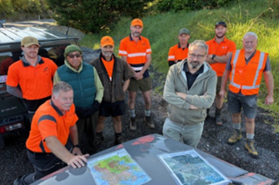
Work to understand if the eradication of sika from Russell can be confirmed is underway. This phase is called “validation” and focuses on collecting camera and ground survey search data using trained detector dogs to try and locate any remaining animals that may have been missed or locating their sign. To mark this milestone in the project a pōwhiri was held at Te Rawhiti Marae to introduce the new contractors involved in this work, providing an opportunity to connect and share kai together. Before field activities began, a blessing was held at the entrance to the Russell/Ngaiotonga Maunga to acknowledge the significance of the area and mark the start of this work.
Wild Deer Free Tai Tokerau
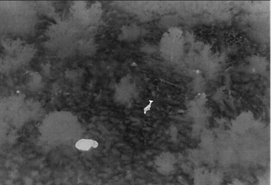
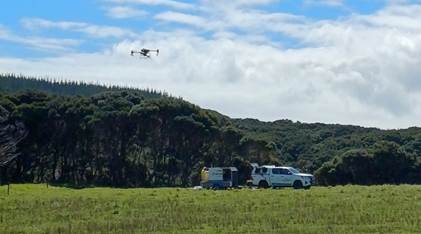
Thermal drone surveillance is underway during the roar period when stags are less wary and sometimes approach deer farms in search of hinds. These surveys prioritise deer farms near native bush to assist in locating wild deer that may be present outside of fences but close to the boundary fence. A deer has already been detected outside the fence (see image below) and steps are now being taken to remove this animal.
|
|
|
|
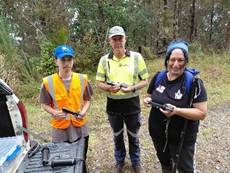
NRC Staff & Contractors reviewing Sika Project information on site. |
Deer outside the farm boundary detected using thermal drone surveillance |
PARTNERSHIPS
Piroa Brynderwyns Kiwi Release
|
|
|
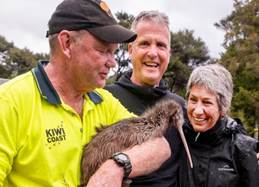
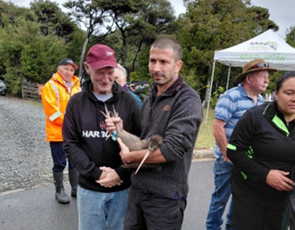
Bruce and Janine Copeland meet Hinekiuta the kiwi, held by Todd Hamilton (Photo: Malcolm Pullman) |
On 23 March, three juvenile Northland brown kiwi were successfully translocated and released into Te Waorahi, a regenerating native forest located behind Langs Beach within the Piroa–Brynderwyns High Value Area. This landscape is recognised for its ecological significance and is supported by the Northland Regional Council through its High Value Area (HVA) programme. The kiwi, two females and one male aged approximately two to three years, were gifted by Ngāti Hine and raised from chicks on Matakohe–Limestone Island, a predator-free kiwi creche. Their release occurred at dusk and was formally acknowledged through a pōwhiri involving mana whenua, landowners, community conservation groups, and agency partners, reflecting the collaborative governance and delivery model underpinning biodiversity restoration in the area. The Northland Regional Council was also represented at the event by Chair Pita Tipene and Councillor John Hunt, demonstrating council’s support for hapū‑ and community‑led conservation initiatives within the HVA.
|
|
Partnerships officer, Councillor John Hunt and Chair Pita Tipene in the background. |
The release event brought together four hapū, Patuharakeke, Te Uri o Hau, Te Parawhau and Ngāti Hine, demonstrating a shared commitment to restoring taonga species and strengthening cultural and ecological connections to whenua. Each kiwi was named by Mana Whenua, reinforcing the species’ cultural significance and the role of mātauranga Māori in contemporary conservation practice. Kōrero shared during the pōwhiri linked present‑day predator control programmes with ancestral management traditions, highlighting a continuity of kaitiakitanga over multiple generations. The release also marked a key outcome for landowners who purchased the site to enable long‑term ecological restoration rather than subdivision, supporting both biodiversity outcomes and reconnection between mana whenua and whenua.
The translocation forms part of the Piroa Conservation Trust’s wider programme to restore kiwi populations and associated ecosystems across the Piroa–Brynderwyns Hills, with ongoing pest control and monitoring aimed at establishing a self‑sustaining kiwi population across the High Value Area.
NRC -Te Aupōuri visit
Te Rūnanga Nui o Te Aupōuri has a long‑standing commitment to enhancing the taiao across their rohe, which includes the ecologically and culturally significant Kokota Sandspit and Te Ārai Reserve. Their kaupapa is focused on restoring these environments toward their pre‑settlement condition, supporting healthy waterways and resilient populations of native species. Over the past four years, the Northland Regional Council has been proud to support this mahi, initially through the Community Pest Control Area (CPCA) programme and, more recently, through the Mid and Far North Partnerships Fund. The project is currently in the second year of a five‑year funding agreement. Council investment has helped build capacity and enabled the Rūnanga to leverage additional funding from multiple agencies to fully resource the programme. Key activities include pest animal and weed management, ecological monitoring, integration of mātauranga Māori, workforce training, and meaningful community and whānau engagement, including education and advocacy for culturally significant wāhi tapu.
|
|
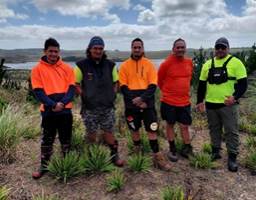
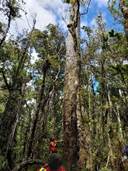
Staff from land management, biosecurity and the māori relationship teams were hosted by Te Aupōuri and visited key restoration projects. The Taiao restoration team above have planted the margins of Lake Whahakari (in the background) with the aim of restoring water quality and halting the damaging effects of pine plantations which once grew up to the lake edge.
|
MARINE BIOSECURITY
Invasive Seagrass
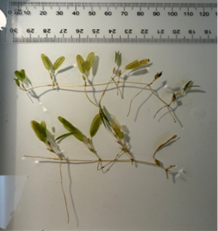
A seagrass sample was recently collected by a contractor during a sediment survey within an enclosed area of Marsden Cove Marina. The sample was initially analysed by Earth Sciences New Zealand (ESNZ), with formal identification now confirming the species as Halophila decipiens, a small tropical seagrass not previously recorded in this location. ESNZ subsequently undertook dive surveys to determine the extent of the incursion. The infestation is largely confined to the enclosed Stage 2 basin of the marina, where coverage is extensive, with a smaller patch identified in Stage 1. At this stage, no seagrass has been detected outside the marina. While the lock system provides some level of containment, regular water exchange and vessel movements mean there remains a potential pathway for spread.
|
|
|
Seagrass (Halophila decipiens). |
The Ministry for Primary Industries (MPI) has completed an initial risk assessment and considers the risk of adverse effects to be low. Halophila decipiens is a fast-colonising species found naturally in warmer regions, but it is not widely recognised as a highly invasive species globally. The main uncertainty is how it may interact with New Zealand’s only native seagrass species, which plays an important ecological role in coastal habitats. MPI is progressing this matter quickly and has begun engaging with Patuharakeke on response options. Early intervention is being considered, particularly targeting the smaller infestation in Stage 1 to prevent further spread.
Wetland Training
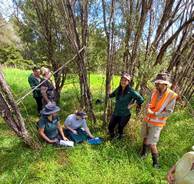
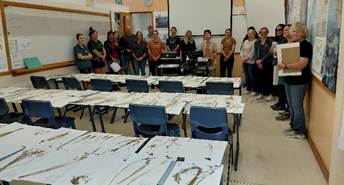
Eighteen council staff from land management, compliance, biosecurity, partnerships and education teams took part in the annual Wetland Training Course run by wetland experts in the Biodiversity Team. The programme combined classroom learning, plant identification and field-based practise tailored to the needs of the staff who attended. Students developed practical skills in identifying Northland wetland types, using mapping as a tool to assess wetlands before a field visit, recognising characteristic species, and applying national wetland delineation methods. This course creates a strong foundation for increasing capability across the council for wetland related work.
|
|
|
|
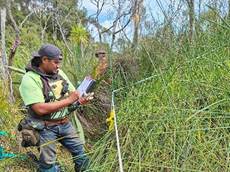
Students undertaking a wetland delineation plot in the field. |
The NRC herbarium is a good tool to help students learn to identify wetland plants |
Fish of the Year
Following passionate advocacy by council staff, a committed radio campaign by More FM, a promise of the Northland Taniwha renaming themselves for the 2026 season, and the Northland public getting in behind the rare Northland Mudfish, it won the New Zealand Fish of the Year. It was the smallest fish to ever win, the first freshwater fish and threatened species; huge achievement for a generally unknown freshwater fish found only in wetlands within a 25km radius of Lake Ōmāpere.
The competition is run by the Mountains to Sea Trust and provides a fun platform to highlight our freshwater and marine fishes and the challenges they face.
Acoustic long-tailed bat survey
There is currently only one site in Taitokerau that is receiving bat-specific predator control to halt the rapid decline of this critically threatened species in our region. A month-long acoustic long-tailed bat survey was delivered in the Pīroa-Brnderwyns conservation area in collaboration with the Piroa Conservation Trust, Patuharakeke, landowners and several ecology consultants. If bats are present at this site in adequate levels, it could become a priority site for recovery efforts. Data is still to be analysed.
Fisheries New Zealand consultation on proposed temporary pāua closure at Tauroa Peninsula Northland
Fisheries New Zealand recently undertook consultation on a proposal to implement a temporary closure of pāua harvesting at Tauroa Peninsula, Northland, under sections 186A and 186B of the Fisheries Act 1996. The proposal has been requested by Ahipara Takiwa (including Roma Marae, Ahipara Marae, associated hapū, and community members) to support the recovery of depleted pāua stocks and to recognise customary management practices. The proposed closure would apply for up to two years, prohibit the taking of pāua within a defined coastal area, align with an existing customary rāhui, and would not allow customary authorisations during the closure period, with the intention of enabling stock recovery and improving long‑term availability.
The consultation was targeted at affected tangata whenua and fishing interests only.
4.9.3 HEALTHY WATERS, LAND AND AIR
Council’s senior coastal resource scientist was interviewed by Dr Clair Concannon of Our Changing World, a science podcast on Radio New Zealand, about plastic pollution in our marine environment. The coastal monitoring team manages an ongoing project using Littatrap devices to capture litter that would otherwise wash into stormwater drains and discharge to harbours and open coastal areas. The project is helping to quantify plastic pollution and supports educational drives. The podcast can be streamed at the following link: https://www.rnz.co.nz/podcast/ourchangingworld
Dune lake update
Hornwort was controlled in two dune lakes in the far north in March. A drone was used to apply the herbicide over Lakes Waikanae and Mt Camel North. Controlling hornwort is done to ensure the lakes do not flip into an algal dominated state, which often occurs if weeds are left untreated. Algal dominated lakes have reduced habitat quality, and hence less biodiversity that can live in and around the lakes.
|
|
A drone in operation above Lake Waikanae in the Far North, applying herbicide to control the invasive lake plant hornwort.
|
Hydrology update
On 25 March, a Red Heavy Rain
Warning was issued for Eastern Northland, covering areas from Doubtless Bay to
Whangārei. The warning was in effect for 36 hours from 25 March
to
27 March. Forecast rainfall totals of 270–320 mm were expected,
with peak intensities increasing to 25–40 mm per hour from Thursday
afternoon and possible thunderstorms. The warning
highlighted a significant threat to life due to dangerous river conditions,
major flooding, slips, travel disruption, impassable roads and
potential isolation of communities. Residents were advised to
avoid travel and floodwaters, be prepared to self-evacuate if
necessary and expect possible power and communication outages.
The on-call Hydrology flood duty team monitored the rainfall and river levels around the clock for the region throughout this event, updating CDEM, attending multi agency briefings, and providing a steady stream of river level status updates through to CDEM whenever river levels were likely to, or had exceeded river level alert and warning thresholds for flooding.
|
|
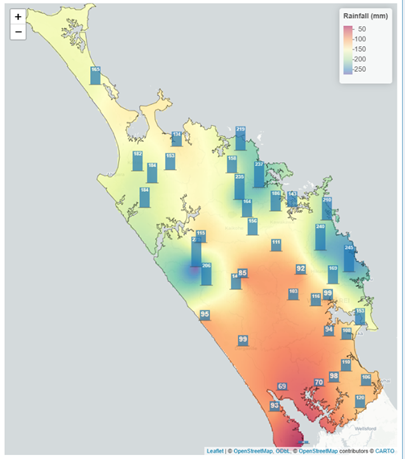
A map of the region with rainfall totals recorded at NRC’s rainfall recording stations during the event
|
The rainfall was primarily concentrated in the North and North East of the region. The highest rainfall totals were recorded at the Waimamaku at Wekaweka Road station with 275mm, the Ngunguru at Dugmores Rock station with 245mm and the Whakapara at Puhipuhi station with 239.5mm. Many rivers across Northland rose above Flood Alert and Warning levels in the East Coast, Mid and Far North.
Current Legal Proceedings
|
Department |
Description |
Status |
|
Consent decision appeal |
New groundwater take at Tautoro (south of Kaikohe) for irrigation of a proposed avocado orchard |
One appeal was received from Te Riingi Marae. Environment Court assisted mediation was held on 21 October 2025. The applicant and appellant are in discussions to resolve the appeal, if possible. Update on progress provided to the Court on 30 March 2026. This update also requested that a final update on progress be provided on 11 May 2026, and if appeal cannot be resolved, then request for a Court hearing date will be made by 9 June 2026. Parties await Court confirmation of proposed reporting timeframes. |
Consents Update
During March 2026, a total of 72 Decisions were issued. These decisions comprised:
|
Ÿ Coastal Permits |
12 |
|
Ÿ Coastal Discharge Permits |
4 |
|
Ÿ Air Discharge Permits |
1 |
|
Ÿ Land Discharge Permits |
2 |
|
Ÿ Water Discharge Permits |
5 |
|
Ÿ Land Use Consents |
32 |
|
Ÿ Water Takes |
7 |
|
Ÿ Bore Consents |
9 |
Twenty-three applications were received in March 2026.
Of the 92 applications in progress at the end of March 2026:
Ÿ 25 were received more than 12 months ago;
Ÿ 22 were received between 6 and 12 months ago (most awaiting further information from the applicant);
Ÿ 45 less than 6 months.
Appointment of Hearing Commissioners
Ÿ No commissioners were appointed in March 2026.
Consents Decisions and Progress on Notified Applications in Process, Objections and Appeals
The current level of notified application processing activities at the end of March 2026 is (by number):
|
Ÿ Applications Publicly/Limited Notified During Previous Month |
1 |
|
Ÿ Progress on Applications Previously Notified |
4 |
|
Ÿ Appeals/Objections |
1 |
Compliance Monitoring
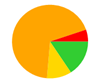
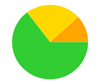
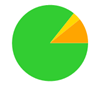
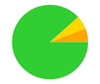
The results of compliance monitoring for March 2026 (and year-to-date figures) are summarised in the following table and discussed below.
|
Classification |
Total |
Full compliance |
Low risk non-compliance |
Moderate non-compliance |
Significant non-compliance |
|
Air Discharge |
17 |
16 |
1 |
0 |
0 |
|
Coastal Discharge |
15 |
10 |
1 |
4 |
0 |
|
Coastal Permit |
126 |
88 |
0 |
38 |
0 |
|
FDE - Discharge permit |
62 |
62 |
0 |
0 |
0 |
|
Land Discharge |
47 |
31 |
7 |
9 |
0 |
|
Land Use Consent |
56 |
49 |
4 |
1 |
2 |
|
NES-F |
16 |
6 |
1 |
9 |
0 |
|
Water Discharge |
60 |
31 |
6 |
22 |
1 |
|
Water Permit |
14 |
13 |
1 |
0 |
0 |
|
Water Take |
88 |
59 |
20 |
9 |
0 |
|
Total |
501 |
365 |
41 |
92 |
3 |
|
Percentage |
|
72.9% |
8.2% |
18.4% |
0.6% |
|
Year to date |
4000 |
3008 |
428 |
490 |
74 |
|
Percentage |
|
75.2% |
10.7% |
12.3% |
1.9% |
Municipal wastewater treatment plant compliance/enforcement
|
WWTP/Consent Status |
Compliance for last 12 months |
Compliance for last 3 months |
Enforcement Action/Response |
|||
|
Kaiwaka Expires 2049 |
|
|
Under AN (issued in August 2025) Significant and moderate non-compliance for wetland overflowing and short circuiting. Most recent results compliant. |
|||
|
Hihi Expired 2022 (replacement consent being processed) |
|
|
Ammoniacal nitrogen and E. coli exceeding RC limits. |
|||
|
Hikurangi Expired June 2025 (replacement consent application being processed) |
|
|
Under AN TSS, BOD5 and E. coli results above RC limits for 90th percentile due to historic results. Only 90th percentile for E.coli now exceeding. |
|||
|
Paihia Expires 2034 |
|
|
Under AN Moderate non-compliances due to ammoniacal nitrogen exceeding RC limits for 90th percentile. Some results missing and meter not working. |
|||
|
Whatuwhiwhi Expires November 2025 (replacement consent application being processed) |
|
|
Moderate non-compliances for TSS exceeding RC limits. Self-monitoring not being undertaken in accordance with consent requirements. FNDC exploring options for plant upgrade alongside consent renewal. |
|||
|
Taipā Expires 2029 |
|
|
Moderate non-compliances for FC exceeding 85th percentile and TN exceeding RC limits. Electrocoagulation trial being set up. FNDC committed to land-based discharge by 2027. |
|||
|
Opononi & Ōmāpere Expires 2028 (s139C RMA extension) |
|
|
Under ANs Moderate non-compliances for BOD, ammoniacal nitrogen, E. coli, and TSS. Baffle curtains recently installed and further remediation measure planned. |
|||
|
Rāwene Expired 2023 (replacement consent being processed) |
|
|
TSS and FC exceeded 90th percentile consent limits. Total ammoniacal nitrogen exceeded median consent limit. FNDC working on remedial plan. |
|||
|
Kohukohu Expires 2026 (s139C RMA extension) |
|
|
Under AN FC and ammoniacal nitrogen exceed consent limits. Discharge volumes have also exceeded RC limits on some occasions. Some remedial actions have been undertaken, including installation of baffle curtains. |
|||
|
Russell Expired 30 April 2024 (replacement consent being processed) |
|
|
Under AN Reporting requirements outstanding and volume of leachate discharged to plant exceeded consent limits. FNDC investigating leachate rates and mitigation strategies. Awaiting further updates. |
|||
|
Kaikohe Expired 2021 (replacement consent being processed but also listed Fast-track proposal) |
|
|
Under AN Self-monitoring data missing or not reported correctly. E.coli exceeded median limit. |
|||
|
Ahipara Expires 2033 |
|
|
Under ANs (reissued in September 2022). None currently. |
|||
|
Kaitāia Expired 2021 (decision on replacement consent due soon) |
|
|
Under AN (for reticulation overflows). Ongoing works on reticulation system. Some sample results missing. RC limits exceeded for percentiles of F-specific bacteriophage. |
|||
|
Kawakawa Expires 2036 |
|
|
E. coli spikes on two occasions have caused exceedance in percentile limits. Cause of spikes fixed and E. coli levels have returned to normal. BOD and TSS have exceeded 90th percentile limits due to spike in November. |
|||
|
Ruakākā Expires 2046 |
|
|
None currently. |
|||
|
Waipū Expires 2030 |
|
|
Discharge volume exceeded consent limit on multiple occasions. WDC undertaking remedial action. The purpose of the last site inspection was to check if a specific activity authorised by the consent had been implemented. The activity had not been implemented but as the activity was not mandatory, the associated consent conditions were deemed to be “not exercised” – denoted by the grey shading. |
|||
|
Ngunguru Expires 2035 |
|
|
Exceedance of 95th percentile for TSS. |
|||
|
Tutukaka Expires 2054 |
|
|
None currently. |
|||
|
Kāeo Expired 2022 (replacement consent being processed) |
|
|
Several water quality parameters exceeded consent limits (temperature and microcystis cell count) in January. February and March results compliant. |
|||
|
Te Kōpuru Expires 2044 |
|
|
Low risk non-compliance for discharge flow meter not working. |
|||
|
Whangārei City Expires 2045 |
|
|
Under AN for odour from plant. Additional odour controls being implemented. Low risk non-compliance for offensive or objectionable odour at time of site visit. Reticulation issues relating to the Whangarei Heads line and pump stations is being managed. Investigations for long term remediation are underway. Further information is available from WDC website. Recent maintenance was undertaken on the Pārua Bay pump station. WDC has been requested to provide an update on the long-term solution to problem. |
|||
|
Rangiputa Expires 2032 |
|
|
None currently. |
|||
|
Dargaville Expires 2043 |
|
|
Under ANs None currently. |
|||
|
Maungaturoto Expires 2032 |
|
|
Under AN; IN issued September 2024 No issues currently. |
|||
|
Kerikeri Expires 2036 |
|
|
None currently. |
|||
|
Mangawhai Expires 2042 |
|
|
Under ANs Enforcement relates to odour. None currently. |
|||
|
Ōākura Expires 2025 |
|
|
None currently. |
|||
|
Portland Expires 2054 |
|
|
None currently. |
|||
|
Glinks Gully Expires 2034 |
|
|
None currently. |
|||
|
Waiotira Expires 2030 |
|
|
None currently. |
|||
|
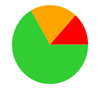
Compliance Status |
|
|
||||
|
Not exercised in the period |
|
|
||||
|
Full compliance |
|
|
||||
|
Low risk non-compliance |
|
|
||||
|
Moderate non-compliance |
|
|
||||
|
Significant non-compliance |
|
|
||||
Court Cases Update
|
Litigation |
Next Court Event/Action |
|
Enforcement Order and Prosecution Environment Court Earthworks and vegetation removal in a wetland |
NRC approved the Remediation and Mitigation Plan which was a requirement of the Enforcement Orders (issued on 20 January 2025). Some requirements of the Enforcement Orders have not been met by the defendant. Charges for prosecution served on defendants on 25 July 2025. Outcome of the pre-trial hearing held on 1 December 2025 found the defendants are eligible for jury trial. The next case review hearing is 28 April 2026 in Whangarei District Court. |
|
Interim Enforcement Orders Environment Court Discharge to air from the manufacturing of Asphalt and open burning |
On 23 June 2025, the parties filed and served a joint memorandum advising that the respondents plan to dismantle and remove the asphalt plant from the site permanently and are no longer pursuing a resource (RC) consent for bitumen batching activities on the site. The respondents requested additional time to complete the dismantling process. A joint memorandum was filed on 27 February 2026. Parties agreed to leave the undertaking in place until either a RC for the plant operation is granted or the plant is dismantled. |
|
Abatement notice appeal Operation of pyrolysis plant without resource consent. |
Three parties issued abatement notices in November 2025 appealed the notices. A joint memorandum was filed in court on 30 January 2026. The memo advised the court that the parties have been engaging in constructive resolution discussions. The court issued a Minute on 18 March 2026 regarding the parties seeking a declaration as to whether the Appellants’ pyrolysis plant is a permitted activity under the Regional Plan for Northland. The Minute included timetabling directions to parties to file evidence. An online hearing is set down for 5 June 2026. |
|
Interim Injunction (Civil Matter) Māori Land Court Encroachment and damage of Māori land by neighbour’s earthworks |
The Māori Land Court requested the NRC to participate in the proceedings as a Third Party. There was not enough time at the initial hearing of the matter for the presiding judge to rule on the matter. However, he granted an interim injunction restricting the neighbour’s earthworks in the vicinity of the contested land boundary and gave directions regarding further evidence filing. The parties exchanged their further evidence for the further hearing of the matter which was scheduled for 27 March 2026 but has been postponed to allow settlements discussions between the parties. The Applicant is required to report to the Court on 26 June 2026 regarding the outcome of the discussions. |
KAIPARA MOANA REMEDIATION
Key Performance Indicators
The information shown below reflects the formal KMR Key Performance Indicators, as required under the Deed of Funding with the Crown. We will continue to report monthly on these indicators, which are common across all Jobs for Nature investments.
As at end March 2026 KMR has delivered the following results on the ground:
Nature & Resilience
· 2.97 million plants in the ground or contracted to plant
· 1,827 hectares planted or contracted, or regenerating into native forest
· 1,166 km of fencing completed or contracted – the same distance as to Coromandel and back.
· Over 151,000 hectares managed under KMR plans
Jobs & Skills
· $31 million invested in restoration projects
· 53 local businesses and nurseries accredited to supply KMR
· Over 472,000 hours of new work created – a year’s work for over 287 people (*end March)
· 282 people trained and mentored, many from local iwi/hapū, to advise on project design and delivery (*end March)
(*Data collated at each quarter end)
Participation
· 1,513 landowners have expressed interest in KMR
· 975 plans have been completed with landowners
· 168 more plans are in development
· 142 group-led projects led by hapū, marae, community groups, catchment groups and other collectives.
Impact monitoring and reporting
1. KMR’s recognition as an exemplar case study at last month’s launch of the Aotearoa Circle’s “Natural Infrastructure Plan” has produced further opportunities for collaboration. We were pleased to be invited to connect with some of the team from Zealandia Consulting while they have been visiting their clients and projects in Te Tai Tokerau and share ideas about how their expertise and networks may assist with KMR’s focus over the next phase of our programme journey.
2. Building on KMR’s previous successful involvement as an applicant in the Sustainable Business Awards, we shall be meeting again this month with the Sustainable Business Network to discuss their invitation for KMR to be featured at their annual symposium in August.
3. In late March the KMR Leadership Team were able to meet with Ministry of Primary Industries (MPI) representatives to further understand their funding criteria for catchment collectives and navigate how KMR and other parties contribute to the jigsaw of multiple agency funding opportunities. Unfortunately, the scheduled MPI / NZ Landcare Trust community catchment hui last month was moved to online only, due to the severe weather conditions that day. Whilst an online hui was restrictive to the free flow of ideas and views, it was successful in imparting new information to community catchment representatives to gain an understanding of MPI funding criteria and set the scene for a new kanohi ki te kanohi hui on 30 April. KMR is also keen to hear from catchment communities on how they envisage proposed new catchment structures, and where KMR could provide support.
Outcomes monitoring and reporting
1. With the data collected last month on plant survival rates across a selection of monitored sites, we are now taking a deep dive to produce an analysis of the findings to test whether there are statistically significant differences in height and vigour across species, plots, and sites. This will help determine if species perform differently at different sites and plots, and to understand if additional environmental factors (e.g., soil type, moisture, temperature) influence plant growth and survival. The final report will produce recommendations based on trends observed in the data and build the KMR knowledge base for sediment reduction planning.
4.9.4 SAFE AND RESILIENT TRANSPORT NETWORKS
Maritime
There were 13 maritime incidents reported in March, the majority related to floating debris such as large logs creating navigational hazards and vessels sinking/ taking on water which resulted from the severe weather event.
11 cruise ships visited the Bay of Islands as scheduled with no cancellations. Anthem of the Seas was unable to tender due to weather, but arrived and departed after a short stay due to some issues with passengers onboard. 1 derelict vessel was removed from a mooring area in Whangarei and sent for disposal.
Servicing of aids to navigation continued as usual, though the vandalism and theft of equipment from the leads on Veronica Channel for the second time this year was disappointing.
Transport
Draft Regional Public Transport Plan 2026 – 2036 (RPTP)
Work has continued on the draft RPTP, design and formatting are being worked on to ensure a reader‑friendly format ahead of public release. On completion, the Draft RPTP will be presented to Council with a recommendation that it be released to the Regional Transport Committee, Far North, Whangarei and Kaipara District Councils and NZTA for comment and input. Following this step, staff will present a finalised RPTP to Council requesting that it be released for public consultation.
Regional Land Transport Plan 2027/2033 (RLTP)
At the time of compiling this report, no formal notification has been received on the release of the Draft Government Policy Statement on Land Transport 2027, or the NZTA compilation guidelines for the RLTP.
An Expression of Interest was placed on GETS seeking the services of a suitable party to undertake the Investment Logic Mapping workshops with the Regional Transport Committe to agree on the regions transport infrastructure and service Objectives, Problems and Benefits for the 2027/2033 funding period.
Transport Operations
Link Service Tenders
CityLink/School Tender Update
The CityLink/SchoolLink tender documentation with the draft contract is now complete, with all clauses aligned to internal requirements and NZTA expectations.
Updated timetables have had to be prepared as part of this process as the increased traffic congestion in some areas has led to the existing running times not being met. Options include three additional peak buses to cover extra running times for he CityLink and Schoollink services, an additional peak bus on the Kamo to Whangarei service and implementation of a hospital shuttle service from Rose Street bus station. The full tender package will be ready for release within the coming weeks.
Hokianga Link
The Hokianga Link Request for Tenders closed on 31 March with one submission received. Staff are now completing the evaluation process and preparing the recommendation for approval.
The Far North Link, Mid North Link, Hikurangi Link, Bream Bay Link
The documentation for the remaining tenders is nearing completion.
National Fuel Supply Situation
Staff are working closely with bus operators and NZTA on this matter. To date, no formal information has been received from the Government or NZTA regarding any financial assistance to cover the increase in diesel costs, what stages of remedial action will be undertaken for each level of criticality and if contracted bus services will be deemed as essential services.
Staff are working with the operators on the development of a phased service reduction plan that can be activated if required. This framework prioritises core routes, peak time capacity, and essential travel needs, while allowing lower demand or less critical services to be reduced gradually and in a controlled, transparent manner. Operators are currently reviewing their fleet fuel resilience and providing operational input into the phasing approach.
Pending the receipt of notification from NZTA as to what, if any, financial assistance will be provided to cover Cost Price Indexes increases, staff are unable to accurately determine the financial impact on Council at this time.
Whangarei Hospital Bus route – scoping
Transport staff have scoped a proposed Whangarei Hospital route focusing on travel times and suitable bus stop locations. The information will support future planning should this service be developed for both hospital staff and the public.
Total Mobility Scheme
Eyed Solutions ( ESL) agreement -
Ridewise
Staff continue to represent the smaller
regions nationally on the Ridewise Steering Group, which oversees the
electronic ticketing system use on the Total Mobility Scheme.
There had been background work with NZTA on potentially going out to procure a
new system, however, NZTA want to undertake further due‑diligence on
the project so it was agreed by all parties that the
contract for the current provider be extended a
further two years.
Total mobility Trips and client travel for March 2026:
· Whangarei – 1,984 clients undertaking 4,711 trips
· Far North – 480 clients undertaking 323 trips
4.9.5 A SUSTAINABLE, INNOVATIVE AND EQUITABLE ECONOMY
Fraud, Corruption and Dishonesty Statement
There are no new fraud investigations to report or any new incidents or suspected incidents of fraud at this time.
Finance
The financial report for March was not available at the time of writing due to time constraints arising from the Easter holiday period.
On 31 March 2026, Council received a shareholder loan repayment from Northport Group Limited totalling $2.46 million (m), comprising a principal repayment of $1.68m and an interest payment of $791 thousand. Including the September 2025 distribution, total receipts from Northport Group Limited for the 2025/26 financial year were $5.44m, marginally exceeding the budget requirement of $5.25m.
The ongoing conflict in Iran continues to pose an external financial risk due to increased volatility in the global energy markets and disruptions to key oil supply routes. This uncertainty has contributed to heightened volatility across global financial markets. In response, and as part of a deliberate strategy to derisk the council’s investment portfolio, $2.50m of gains earned to date was withdrawn from the managed funds during March 2026. This withdrawal was executed in accordance with advice from, and supported by, Russell Investments. These funds have subsequently been placed into term deposits, with maturity dates aligned to the August 2026 council meeting.
Regional Economic Development
Follow up actions from the JREDC included a letter from JREDC Chair Crawford to WDC Mayor Ken Couper regarding funding into the Investment Growth Reserve for 2026/27, and a long term commitment to joint ownership of Northland Inc in the LTP 2027-37
Feedback was provided on the draft Northland Infrastructure Plan being developed in Beca. An updated draft will be provided to the next JREDC on 24 April for their feedback and a plan for further engagement will be agreed.
Assistance was provided to JREDC Chair Geoff Crawford for his speech at the Ngāti Hine pre-kiwifruit harvest karakia event on Friday 13 March. Chair Crawford’s speech was supported by a media release and a social media post.
Economic Development Funding
A council workshop with Te Tai Tokeraru Water Trust (TTTWT) was held provide an update on Trust activities including progress to completion of construction and additional funding received from the Regional Infrastructure Fund (RIF). Staff have commenced work with the Trust on revising the funding agreement for the Mid North Water Scheme to provide for an earlier payback of council’s investment.
Work continues with TTTWT, Northland Inc and other parties on research and co-funding opportunities to support the commercial uptake of water from the Kaipara Water Company.
Economic Information
The March edition of the Northland Economic Quarterly e-newsletter was distributed on 31 March 2025 and is available online at Economic quarterly - Northland Regional Council - Economic quarterly | March 2026 - Northland Regional Council. This edition covered the topics of retail spending, changes in the forestry sector, details about GDP growth in Northland and renewable energy developments.
Discussions were held with Te Puni Kokiri regional economic development staff and Te Hiku Iwi development Trust representatives on Northland economic data and information availability, including the Regional Economic Profile produced by Infometrics.
As part of council’s annual subscription service, a meeting was held with Brad Olsen, Chief Executive, Infometrics to discuss council data requirements and future developments by Infometrics.
Northland Inc
Northland Inc hosted a workshop in partnership with MBIE Innovation Services (formally Callaghan Innovation) to educate local businesses on the benefits of, and how to apply for the Research & Development Tax Incentive (RDTI). More than a dozen Northland businesses joined to explore how the programme works and ask practical questions about whether their projects might qualify for a tax credit equal to 15% of eligible R&D expenditure.
In mid-March, the Tuputupu Grow Northland team held four workshops around the region (Ngāwhā, Kaitaia, Mangawhai, Whangārei) in partnership with Ministry for Primary Industries, New Zealand Trade and Enterprise, Horticulture New Zealand, and NorthChamber to to explain requirements, services and support available to growers who are exploring export opportunities. The workshops covered MPI requirements for food and fibre products, an overview of the NZGAP food certification programme, requirements for preparation to export, and what agency and community support is available in Northland. The sessions were well attended and provided a platform for growers and producers to learn and share their stories in practical, in-person settings.
A Trade Marketing Manager represented Northland at the Regional Tourism New Zealand Inbound Trade Event in Auckland in early March. The two-day event allowed 160 members of New Zealand's inbound travel trade industry to connect and collaborate with regional tourism organisations, where new and upcoming tourism developments for each region were shared, creating fresh sales opportunities for travel trade representatives - ultimately supporting visitation into Northland.
International trade marketing was also a focus in March, with the Trade Marketing Manager attending the Tourism New Zealand Regional Showcase in Sydney, meeting with 26 key Australian travel providers where she showcased the Northland region and new tourism products. She then undertook frontline training of 26 travel trade staff in the Gold Coast in partnership with Tātaki Auckland Unlimited, promoting the Northland region alongside Auckland as a gateway for international visitors. With Australia still New Zealand's largest visitor market (accounting for 44% of international visitors each year, and Australian arrivals up 39% from 2019), these international trade engagements are an important way to showcase Northland as a visitor destination to travel trade agents.
4.9.6 MEANINGFUL PARTNERSHIPS WITH TāNGATA WHENUA
Kohatutaka Bioblitz
The Kohatutaka Bioblitz with Te Hauora o Ninihi Trust had teams on the whenua conducting biodiversity surveys based on local priorities. This included pekapeka (bats), plants in the ngahere, mokomoko (lizards), wetland manu (birds) and installing permanent plots in the Kaipeha repo (the 10th top wetland in Taitokerau) for long term wetland condition monitoring. These plots will be jointly assessed with mana whenua every five years as part of the NRC wetland SOE monitoring programme. Threats and pressures for key ecosystems in the Kohatutaka rohe were also identified. The results from the bioblitz will provide baseline data to inform ongoing taiao protection and restoration work led by mana whenua in the Ōtaua catchment, as well as support future funding applications through identification of threatened and taonga species and ecosystems.
|
|
|
|
|
NRC, Northland Forest Managers and Te Hauora o Ninihi kaimahi learn to survey for pekapeka using acoustic devices. |
The team admires an impressive rākau and endemic giraffe weevil. |
Te Hauora o Ninihi kaimahi record data from Kaipeha wetland plots. |
Tangata Whenua Environmental Management Fund
TWEMF is a funding programme that supports iwi and hapū‑led environmental monitoring projects, recognising the role of tāngata whenua as kaitiaki and partners in environmental stewardship.
A total of 18 Tangata Whenua Environmental Monitoring Fund applications were received this period, each valued at $20,000, a total of $360,000 over-subscribed in support for iwi and hapū-led initiatives. Three Iwi Hapū Environmental Management Plans (IHEMP) and projects have been completed, and a total of 10 TWEMF have been proposed to be approved for funding.
Rahui Tapu - Health and Safety Capability Building
Council continue to support Te Uri Hikihiki, and Te Whānau Whero within the Rāhui Tapu kaupapa through health and safety wānanga facilitated by our Kaiwhakahaere Moana Ora in collaboration with WorkSafe, Maritime NZ, Site Safety, and iwi representatives. These sessions ensure compliance, strengthen sector knowledge, and provide a platform for sharing current issues affecting hapū and iwi operations.
Iwi Engagement and Relationship Strengthening
Strengthening our partnership with Te Roroa by supporting the induction of their new Chief Executive, Darren Beaty, ensuring continuity in our relationship and maintaining iwi priorities at the centre of NRC’s work programmes.
Kauri Ora Collaboration
The Kauri Ora team continues its partnership with Te Roroa to combat kauri dieback, working alongside scientists and technical specialists. This collaboration supports both mātauranga Māori and scientific approaches to protect kauri ecosystems and only heightens the importance of kaitiaki work and the need for close alignment across NRC workstreams.
Rangatahi Development
Council continues to support the development of rangatahi capability by creating opportunities for young people, all nominated by their iwi to participate in professional spaces. This enables rangatahi to contribute their perspectives and build confidence in regional decision‑making environments.
Additional members of Te Mahuri o Te Taiao have been inducted and onboarded to continue the distribution of Foundation North funds across the Kaipara region. This kaupapa is steadily growing in the background, with council increasingly providing support to strengthen its development and connect the group with other like‑minded initiatives and settings.
A key strength of this work is our coordinated approach as this is not a standalone council initiative, but a partnership where rangatahi remain grounded in their iwi and hapū spaces, carving out the work needed for their communities and whenua, with council walking alongside them to support and enable their aspirations.
Severe Weather Response – Hapū and Iwi Coordination
With continued external pressures and the ongoing environmental impacts affecting Taitokerau, our region has once again been struck by severe weather events. In response, many of our Tiriti Partnerships and engagement team have been redeployed, supporting hapū outside of standard working hours, reflecting the scale and urgency of community need. It is important to acknowledge that haukāinga continue to face these pressures daily, often carrying the immediate response burden long before agencies arrive.
4.9.7 carbon neutral, resilient communities in a changing climate
Natural Hazards
Landslide Mapping
Aerial Survey have completed the collection of orthographic aerial photographs and LiDAR from the part of the region effected by January’s rainfall event. These are currently being processed and will then be used by Earth Science NZ to map the landslide triggered by this rainfall.
Both the aerial photography and LiDAR
will be hosted by Land Information New Zealand which means they will be
available for councils, lifelines, iwi/hapū and the
community.
|
|
|
Orthographic aerial photograph of Oakura showing landslides on the hills to the west of the settlement. |
Whangarei Urban Flood Strategy
The consultants on the Whangarei Urban Flood Strategy have begun to identify and model possible mitigation options, looking at how they interact and the costs vs benefits. The project team will be workshopping pathways with the council in April.
Early Flood Forecast System
NRC are tendering for the next steps of the early Flood Forecasting System, extending the rainfall forecasting and including five additional rivers. The tender closes in mid-April with a cross-council team established to review the tenders and identify a preferred consultant.
The January and March rainfall events have provided a good opportunity to test the system with staff able to access the system and run flood forecasts for the Waitangi catchment, our test catchment.
Natural Hazard enquires
In March, the team received 33 enquiries, bring a total of 231 enquires in the year to date. Most enquiries continue to be property flood level data, and we are investigating ways this information can be shared with the public reducing the query burden on staff.
|
|
Rivers
26 March 2026 Flood Event:
The 26 March 2026 rain event produced the highest flows on record at Awanui School Cut gauge at 413 cubic meters per second (cms) almost double the 1958 event of 220 cms which caused wide-spread flooding to Kaitaia Township. While some overtopping occured on both the Awanui River and Whangatane Spillway this was in areas that works have not been completed. The team (contractors and quarry) worked over Easter weekend to repair a slip that developed after this record flow weakend a stopbank.
Whirinaki
Local hapū report that this was not as big as the 1999 flood, however several homes were flooded and some red-stickered - this highlights the managed retreat option and that this should be the long-term goal. We have also surveyed over 200 flood levels in Kaitaia and Whirinaki and staff have marked other flood levels around Northland to help with future calibration and verification.
Awanui - Lower Whangatane Spillway
Enabling work progressed on Lower Whangatane Spillway Setback Tranche 2 with the team sealing the site ready for winter following the 26 March flood.
NIFF Programme
Mangamuka Marae flood protection works are now complete, only final fencing remaining. The extra capacity from the flood work was welcomed relief.
Otiria Swale
Work is underway with approximately 20% of the swale being complete. More rubbish has been encountered, this is being “raked” sorted and disposed at a landfill.
Kaeo Stage 2 Flood Infrastructure Project
Earthworks continue to progress, however the rain and archaeological finds have continued to delay the work. Its likely that the site will need to be closed down over winter and works completed in the spring.
|
|
LTP Business Case
Awanui Lower Stopbank Assessment and Options:
Modelling work has been scoped and is underway for the coastal stopbank set-back options developed. NRC will be sharing costs with The Nature Conservancy (TNC) regarding the modelling.
TNC have funds for modelling and if the modelling shows favourable environmental benefits, TNC may fund other work. Staff have developed a plan for conditional and conventional surveys of the banks to feed into the the model assumptions.
Kerikeri Flood Mitigation Options:
Hydraulic modelling is underway; the options include Cross-Catchment flows, targeted channel improvement and K3A detention dam. Staff have met with the 2 x landowners that the dam footprint is located. NRC is investigating the most effective way to enable Geotech testing.
Tauranga Bay Flood Mitigation:
Staff set out the proposed stopbank alignment ahead of the Tauranga Bay Community Association Easter AGM. Staff attended the Easter AGM and presented the proposed flood mitigation options about 26 people attended and good support from the group. The peer review is underway with geotech testing and modelling.
Dargaville Flood Risk Assessment and Options:
Staff have engaged a hydraulic modelling consultant to progress this work, we expect priliminary results late April. A conditional assessmet of the Flood Wall is scheduled for later in April.
Community Engagement and Capability Development
Across the region, engagement with community response groups, marae, iwi, and vulnerable communities continued, with a strong focus on incorporating recent event learnings into planning and preparedness. Reviews of response plans were supported for the Northland Fijian Community, Rawene and Te Rāwhiti communities, alongside ongoing marae preparedness work.
Operational readiness activity included EOC exercises, equipment recommissioning following activations, Starlink testing, and continued roll‑out of regional CIMS and functional role training. Applications are now open, and courses scheduled, for further regionally facilitated training through May.
Lifelines and Infrastructure Resilience
The Northland Lifelines Group met on 6 March, with a focus on climate adaptation, infrastructure resilience and emerging risks. Councils are advancing coordinated climate adaptation pilots in Whangārei and the Far North, supported by iwi engagement and shared data tools. Lifeline utilities were encouraged to align risk assessments and investment planning to support long‑term resilience and recovery.
Work continues to consolidate and update the Northland Lifelines Infrastructure Resilience Plan, incorporating new hazard data (including wildfire and liquefaction) and strengthening alignment with emerging risks such as cyber threats and forthcoming emergency management legislation.
4.9.8 efficient, progressive and transparent council systems
Whangarei Future Development Strategy
At the recent New Zealand Planning Institute Conference, national awards for Planning Best Practice were presented. Whangarei District Council and Northland Regional Council were Highly Commended in the category of Strategic or Non-Statutory Planning for the joint preparation of the Whangarei Future Development Strategy. Congratulations also to our colleagues at Far North District Council who won the category for the Kerikeri-Waipapa Spatial Plan.
Community Engagement
Media and reputation
Six media releases were issued during March to local and national outlets, with five out of six (83%) receiving pickup. Additional activity included three media briefs and responses to 22 media enquiries.
Media monitoring recorded 91 mentions, covering a wide range of council functions. The dominant driver of coverage during March was severe weather, flooding and emergency response.
Digital engagement
Engagement across NRC’s digital channels eased in March following the exceptionally high activity levels in February, which were driven by Waitangi commemorations and Field Days. Despite this, overall reach continued to grow, with total social impressions increasing by nearly 50% month‑on‑month and the total audience growing by 1%.
Our content supporting the national Fish of the Year campaign featured among the top three performing posts for March and helped lift the profile of the Northland mudfish – and, with the support of local radio - went on to win the 2026 title.
The campaign raised awareness of this threatened freshwater species and positioned biodiversity and wetland protection within a positive, community‑led national conversation.
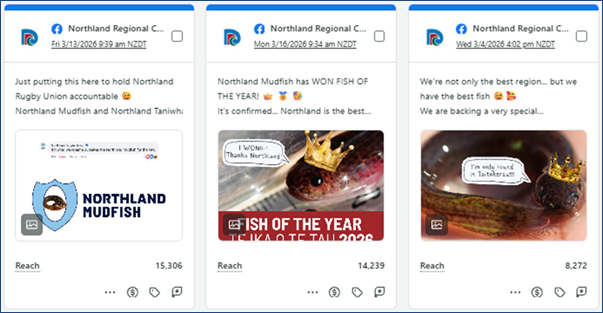
A short‑form video explaining the 0% rates increase also performed above industry engagement benchmarks and generated largely positive sentiment.
Website traffic increased by 17% compared with February, driven by heightened public interest in recent weather events – with the Kaeo webcam and the Environmental Data Hub the most visited pages, alongside ongoing interest in Madagascar ragwort information.
Several targeted e‑newsletters were distributed during the month, including the quarterly Economic Update, Ngā karere o Te Raki, and an education‑focused Moth Plant Competition EDM, which achieved a particularly strong 51.7% open rate, indicating high engagement from core audiences.
Digital engagement snapshot
|
Metric |
Feb 2026 |
Change since last period |
|
Total audience (social) |
24,799 |
+1% audience growth |
|
Net audience growth (social) |
247 |
↓154.7% |
|
Published posts |
69 |
122 in February |
|
Impressions |
917,683 |
↑49.7 (from 612,818) |
|
Engagements (social) |
10,352 |
↓76.8% (from 44,639) |
|
Engagement rate (per impression) |
1.1% |
(7.3% in February) |
|
Video views |
36,324 |
↓69.6% (from 120,353) |
|
Website visits (nrc.govt.nz) |
75,224 |
+17.0% (from 55,783) |
|
Top website pages (by views) |
15,930 |
|
|
12,625 |
||
|
7,249 |
||
|
5,723 |
||
|
eNews subscribers (cumulative) |
6,250 |
No change |
|
Subscribed web alerts (cumulative) |
1,899 |
Up from 1,869 |
Campaigns and business support
The Community Engagement team provided strategic communications and coordination support across a range of priority council initiatives this month. This included:
· Coordination, writing and editing support for two council submissions to the Taituarā Local Government Excellence Awards, recognising council leadership in community engagement (Whirinaki Managed Retreat Project) and Māori–council partnerships (Rāhui Tapu Marine Protected Areas).
· Working in partnership with Whangarei District Council and Far North District Council to plan and implement multi-faceted promotional strategy for Coastal Conversations events that support communities to understand the coastal issues they face and how to adapt.
· Coordinating attendance from multiple business units for the Funky Fish competition, enabling Biosecurity teams to engage directly with the Whangārei Heads community. This included support for Predator Free, Marine and Moana Ora teams to deliver interactive education focused on pest control, marine pests and marine protection rules.
· During the March severe weather event, the team supported the Civil Defence response, contributing to coordinated public information and digital communications.
· The Community Engagement team also provided end‑to‑end campaign and project support for the Moth Plant Competition, including marketing, digital promotion and community engagement to encourage participation and awareness of this biosecurity issue.
· Madagascar ragwort: Digital and regional print advertising is now well established, delivering nearly 895,000 impressions, 10,100+ clicks, and 7,700 website sessions to date, supported by regional newspaper advertising. Additional digital placements and rural signage are rolling out.
Ballance Farm Environment Awards
Alan Dobbie of Wiroa Horticulture (Kerikeri) has been named the 2026 Northland Regional Supreme Winner, also receiving the Northland Regional Council Water Quality Enhancement Award and three additional awards. A winners’ field day on 6 May will showcase Wiroa’s transition from dairying to a high‑performing kiwifruit orchard producing 450,000 trays annually, alongside improved biodiversity outcomes.
Tū i te Ora Scholarship
Applications are now open for the 2026 Tū i te Ora Scholarship. Four scholarship packages are available, each offering $5,000 to support study costs, along with a paid, full-time work experience opportunity in one of the following areas: Te Tiriti Partnerships & Engagement, Climate Action, Biodiversity & Science, or Rivers and Natural Hazards / Civil Defence. More information: https://www.nrc.govt.nz/scholarship
Education
The Education team delivered a range of place‑based and curriculum‑aligned learning activities across the region, supporting environmental literacy, practical skills development and kaitiakitanga. A Far North Wai Fencing workshop brought together 35 senior students from four schools for NCEA‑aligned training, combining theory and hands‑on learning around fencing waterways, riparian management and water quality outcomes, delivered in partnership with industry and land management experts.
|
|
|
|
Wai Fencing students get their knots and ties right before constructing a new fence. |
Small groups work well in Wai Fencing theory sessions. |
|
A two‑day Waiarohia Stream source‑to‑sea programme engaged five Whangārei schools in freshwater, biodiversity and mātauranga Māori learning, combining environmental science with cultural knowledge and hands‑on restoration activities. The programme strengthened student understanding of biosecurity, freshwater health and river systems through a te ao Māori lens. |
Students were
horrified at the number of baby bats found inside a feral cat. |
Environmental stewardship milestones were also celebrated, including the five‑year oxygen weed‑free anniversary of Lake Ngatu, with 115 students from Paparore School participating in interactive freshwater, biosecurity and kauri protection activities alongside council and DOC staff.
|
Students ‘built’ a lake at the freshwater plants rotation. |
|
|
|
‘Who dirtied the water?’ was an engaging water quality activity. |
In Kerikeri, a Seaweek littatrap installation supported practical learning about waste pathways from land to sea, with plans to expand this initiative to additional schools.
Corporate Strategy
Council’s programme and project system, WayPoint, continues to be embedded across the organisation to support activity reviews, project and programme reporting, and improved linkages between activities, cost centres, risks, and performance measures.
Reporting and dashboard development is progressing, including timesheet and resident survey dashboards, and work is underway to strengthen forecasting and improve clarity around coding and allocation.
Governance and democratic services continue to support a significant programme of council and committee business, including preparation of agendas, minutes, workshops, and follow‑up actions across council, CE Forum and Mayoral Forum meetings.
Long Term Plan and Annual Plan development is progressing with project planning, continued activity review work, background analysis, audit planning, and preparation of supporting papers. Drafting of the zero‑percent increase Annual Plan 2026/27 continues.
Council’s internal policy, process and system improvement programme continues, including policy updates, Promapp rationalisation and clean‑out, preparation for procurement to replace current process management tools, and ongoing legislative compliance reporting and risk framework development. Improvements across contract management, risk, LGOIMA and internal systems are progressing as resourcing allows, with a focus on refining tools, clarifying processes, and lifting organisational maturity over time.
People & Culture
People and Culture activity over the last quarter remained steady, with staff turnover holding at approximately 12.5%. From 1 April 2026, statutory employment changes, including an increase to the adult minimum wage to $23.95 per hour and an increase in default KiwiSaver employee and employer contribution rates to 3.5%.
Training activity during the quarter focused on Conflict of Interest, with this training made available to all staff. Work also progressed across several organisational priorities, including confirmation of organisational values, and bedding in of the Modern Workspaces project.
Health & Safety
Health and safety performance continues to be consistent, with ongoing incident reporting providing visibility of organisational trends and supporting the continuation of the council’s safety culture. A sustained emphasis remains on ‘Work as Done’ audits with contractors and volunteers, reinforcing alignment between documented processes and the reality of how work is undertaken on site.
Information Service and Technology
Operations
· The mobile phone refresh programme is complete, with the laptop programme remain on track for completion at the end of April 2026. GIS system integration updates are 80% complete. The remainder are dependant on further system upgrades and are scheduled for completion in June. Recruitment is progressing for the vacant Application Support Analyst role.
· There were eight upgrades to technology systems successfully implemented during March 2026.
· Rationalisation of security products continues following the successful transition to new security operations centre complete. We remain in a period of hyper‑care, with a strong focus on managing the increased cyber activity and attacks observed over the past month.
· Monthly cyber statistics for March taken from our firewall for malware and network attacks illustrate the importance and effectiveness of our security software.
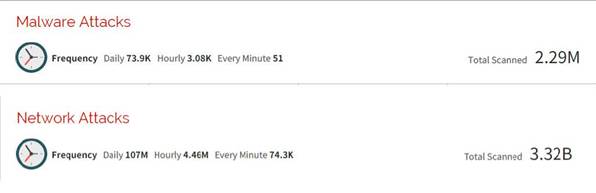
Data and Information
· Increased focus on GIS tickets over the past two months has led to a reduction in outstanding work, with particular progress across maritime and land management areas. Work on the integration design of GIS to the new asset management system continues. An upgrade was completed to modernise IRIS and SharePoint document‑integration functionality prior to discontinuation by Microsoft in April.
· Work to clear the backlog of physical record archiving from modern workspaces project is ongoing.
· The procurement plan for the Approach to AI Adoption has been approved, and work is now underway to be completed by June.
· AI Adoption Discovery - The procurement approach has been approved, and an information response pack outlining the project scope has been issued to shortlisted suppliers. Responses are due in late April.
Technology Projects
Project Axis - Implementation of new Asset Management and Human Resource systems
· Assets - Progress is positive with Univerus allocating a solely dedicated consultant to our project team. Configuration of work orders has progressed well. The next steps will focus on the mobile app and demonstration sessions with the three initial internal teams (Maritime, Hydrology, and Information Technology). The priority for April is to finalise the work‑order processes for these business units before moving into full system testing in the test environment.
· Human Resource Information System (HRIS) - Progress remains high with timelines on track. Configuration of the performance module is complete and has been deployed to production. Work is progressing at pace on the learning module, and the team is scheduled to begin configuring the onboarding module in April.
IRIS Next Generation
A collaborative initiative involving ten regional councils working with Regional Software Holdings Limited and Datacom to deliver a modern software platform to councils. The software facilitates a wide range of activities, including customer and community engagement, environmental stewardship and regulatory functions and incorporates both an online customer support portal and a mobile application for field staff.
Sector Programme - Otago Regional Council is the first to implement the new Datascape system and is acting as the pilot site, with support from other councils. The pilot is expected to resume in mid‑May. The delay will affect Otago’s go‑live date, which is still to be confirmed. For the remaining regional councils—Waikato, Bay of Plenty, followed by Taranaki—the programme is aiming to maintain the original late‑2027 timeline.
NRC continues to support the pilot, working with Otago teams and contributing expertise to planning and review activities while awaiting the pilot’s restart.
NRC Project - Work continues to build a clear picture of the current operating model—how NRC uses IRIS and other systems to deliver services. Because system use varies across teams, a current‑state blueprint is required to inform review and improvement. This will help identify opportunities to standardise IRIS use, apply consistent good‑practice models, and strengthen data use.
This work supports the ‘ready early’ strategy by reducing risk, smoothing workload, and enabling early improvements ahead of implementation. Early engagement also gives teams visibility of the future‑state solution and supports a no‑surprises approach. Progress remains steady.
Property
· The Whangarei HQ Office lift replacement project schedule extension has been reduced. Lift commissioning and lift services are expected to resume earlier than the current mid-May 2026 timeframe.
· Procurement documents for the demolition of FENZ buildings to make way for the Multi-Agency Emergency Coordination Centre (MACC) are being prepared. The MACC resource consent application has been submitted, and design work is currently being undertaken to support a building consent application submission later this calendar year.
· The NZ Police are utilising council’s vacant properties at 16 Reyburn Street and Fertilizer Road, Whangārei for personnel and dog training purposes.
Local Government Official Information Requests
|
|
In March 2026 we received 33 LGOIMA requests, 17 less than March 2025.
|
|
|
All LGOIMA requests for March 2026 were responded to within the required timeframe. |
Attachments/Ngā tapirihanga
Nil
[1] s.36A of the RMA identifies that there is no duty to consult about RC applications and notices of requirement.
[2] Elected members of the group are: FNDC: Mayor Tepania and councillors Kelly Stratford and Felicity Foy; WDC Mayor Couper and councillors Brad Flower and Chrichton Christie; NRC Chair Pita Tipene and councillors Jack Craw and Geoff Crawford. The DIA representative has yet to be confirmed.
[3] Other options considered included a Pan-iwi advisory group; BAU i.e. for NRC to rely on Te Ruarangi and MTAG, FNDC to rely on Te Kuaka and WDC to rely on Te Kārearea; Independent consultancy service contracts; and Do nothing.